






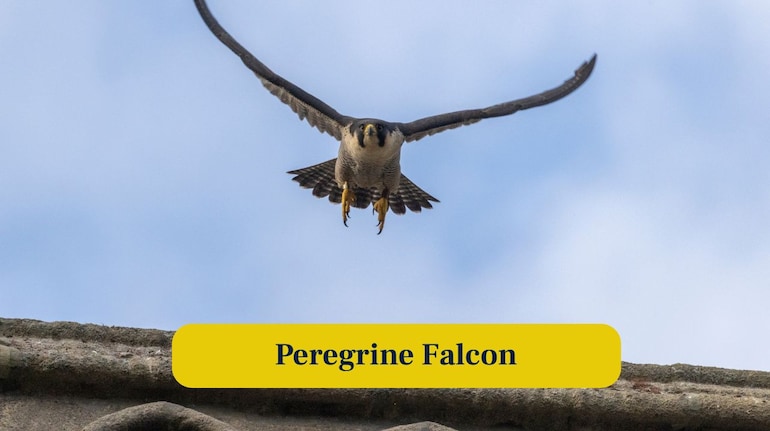

Peregrine falcons, once close to disappearing from Britain, are showing a rare recovery as their numbers rise sharply, offering cautious optimism amid wider declines affecting many wildlife species.
From a low point during the 1960s, peregrine numbers have steadily increased. Records show only 385 breeding pairs were present then. Recent surveys now estimate around 1,750 breeding pairs nationwide. Conservationists describe this rebound as an encouraging exception. Many other bird species continue facing severe population losses.
Peregrine Recovery Brings Rare Conservation Hope
The recovery reflects decades of legal protection and habitat change. Peregrines are now among Britain’s most adaptable predators. Traditionally, they nested on coastal cliffs and remote crags. Most populations were found in northern and western regions. Over recent decades, this pattern has changed dramatically.
Increasing numbers of peregrines now breed in urban areas. Cities offer tall structures resembling natural cliff ledges. Power stations, pylons, tower blocks and cathedrals provide ideal nesting sites. Urban prey species are also plentiful. This shift has helped support population growth.
Where Peregrines Live And How They Look
Globally, the peregrine falcon is widespread and highly adaptable. Scientists recognise at least 17 subspecies worldwide. Peregrines breed on every continent except Antarctica. This global range makes them the most cosmopolitan bird of prey.
Adult peregrines have blue-grey upperparts and pale underparts. Their faces show a dark hood and moustache. Females are noticeably larger than males. Despite size differences, both sexes share similar colouring. Adults measure roughly 39 to 50 centimetres long. Wingspans range between 95 and 115 centimetres.
Hunting Skills And Summer Spectacle
Early summer is a key period for observing peregrines. Parents spend long hours hunting to feed chicks. Peregrines mainly hunt birds in flight. Their prey varies by habitat and availability. Upland birds include golden plover and red grouse. Coastal peregrines target seabirds. Urban birds often hunt pigeons and starlings.
Studies of prey remains show opportunistic behaviour. Rare prey records include Arctic tern and corncrake. The species’ success lies in its hunting technique. Peregrines commonly use a high-speed dive known as a stoop. During dives, they can reach speeds near 290 kilometres per hour.
Specialised anatomy helps them survive such speeds. Curved flight paths reduce drag and improve vision. Small structures inside nostrils control air pressure. A protective inner eyelid shields their eyes. Ornithologist Ed Drewitt says up to one-third of hunting attempts succeed.
Despite their recovery, conservationists warn challenges remain. Continued monitoring and habitat protection remain essential. The peregrine’s story offers hope, but wider biodiversity losses continue across Britain.
Discover the latest Business News, Sensex, and Nifty updates. Obtain Personal Finance insights, tax queries, and expert opinions on Moneycontrol or download the Moneycontrol App to stay updated!
Find the best of Al News in one place, specially curated for you every weekend.
Stay on top of the latest tech trends and biggest startup news.





