






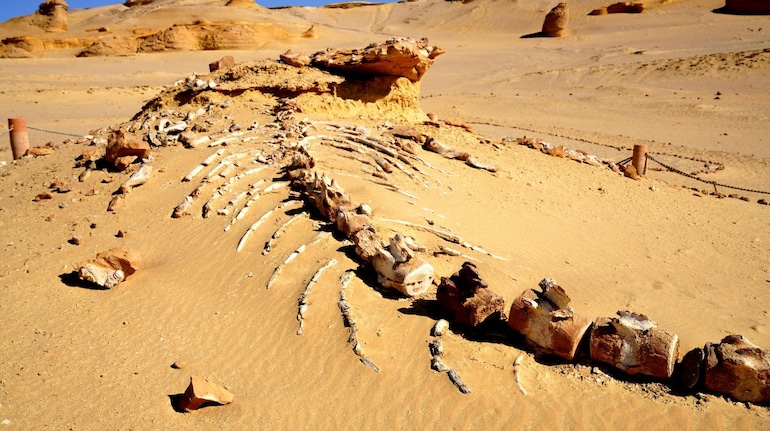
A colossal fossil from southern China has surprised scientists. The huge bones show a dinosaur far larger than expected. The new species, named Tongnanlong zhimingi, may have reached 28 metres. The find places it among Earth’s largest land animals.
How Big Was Tongnanlong, the New Jurassic Dinosaur?
What did scientists uncover in the Tongnan District dig? The fossil was first excavated in 1998 during local work. The site lies inside Chongqing within the Sichuan Basin. The full analysis now appears in Scientific Reports today. The remains include limbs, vertebrae and shoulder bones too. These parts confirm it belonged to Mamenchisauridae, the sauropod group. These dinosaurs carried long necks with air-filled light bones. The shoulder blade is over 1.8 metres in length. No known mamenchisaurid shows a larger shoulder structure yet. Could this mark the largest member of its group? Scientists say the size suggests a leading contender.
 Maps of the Tongnan District site in the Sichuan Basin, China, showing the fossil location marked with a star. (Image: Scientific Reports)
What Do the Fossils Reveal About Its Ancient World?
The skeleton sat inside the Suining Formation rock bed. This layer dates to 147 million years ago. The sediments indicate a lakeshore in a semi-arid zone. Flooding events likely buried carcasses very quickly there. The holotype includes dorsal and caudal vertebrae as well. It also preserves a complete scapula with its coracoid plate. Parts of the tibia, fibula, claws and metatarsals remain. These bones show deep air sacs across their hollow surfaces. Complex ridges offered support for such a huge frame. Models suggest a length between 23 and 28 metres. The estimates compare with Mamenchisaurus youngi and Omeisaurus tianfuensis. Even conservative numbers place it among Asia’s largest giants.
 Shoulder girdle and hindlimb bones belonging to Tongnanlong zhimingi. (Image: Scientific Reports)
Could This Fossil Rewrite Dinosaur Migration Ideas?
Why does this species challenge earlier isolation theories today? Scientists once argued East Asia had isolated dinosaur faunas. The idea said rising seas cut the region off. But mamenchisaurid fossils now appear across several continents. Tongnanlong zhimingi shares traits seen in African sauropods too. One example is Wamweracaudia keranjei from Tanzania there. These links suggest land routes stayed open during that time. The study states the group was likely globally distributed then. This view counters claims of an East Asian endemic lineage. The research team says such data reshapes Jurassic thinking. It suggests a more connected world for giant dinosaurs.
How Did Evolution Shape a Dinosaur This Massive?
What allowed these animals to reach extreme size levels? Their small skulls supported very long flexible necks. Air-filled bones kept the huge body very light. Efficient breathing systems improved oxygen flow inside them. These features created pathways for size over time. Such traits also appear in modern birds seen today. Scientists say this evolutionary mix encouraged steady growth. The new fossil helps explain how these giants thrived. The full data set appears in the original study publication.
Discover the latest Business News, Sensex, and Nifty updates. Obtain Personal Finance insights, tax queries, and expert opinions on Moneycontrol or download the Moneycontrol App to stay updated!
Find the best of Al News in one place, specially curated for you every weekend.
Stay on top of the latest tech trends and biggest startup news.




