






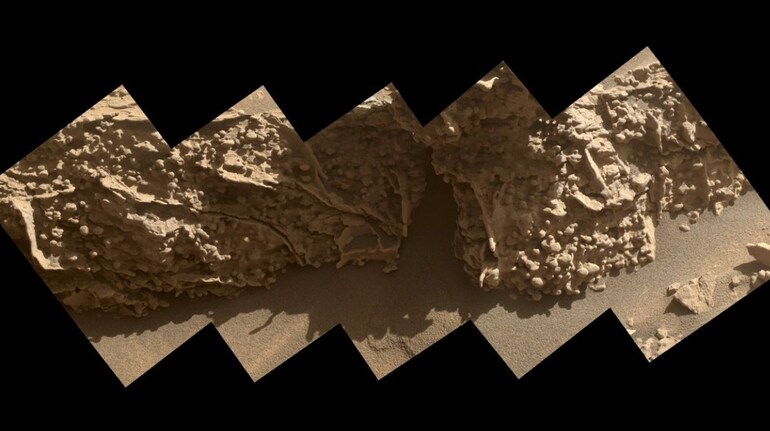

NASA says its Curiosity rover is studying strange spiderweb-like ridges on Mars, offering fresh clues about ancient groundwater and possible past life.
Boxwork Ridges on Mount Sharp
For six months, the rover explored boxwork formations. These low ridges rise three to six feet. Sandy hollows stretch between the crisscrossing rocky lines. From orbit, they resemble giant spiderweb patterns. Scientists think groundwater once moved through fractures. Minerals likely hardened certain rock sections underground. Wind later eroded softer surrounding material away.
The region lies high on Mount Sharp. The mountain rises three miles above Gale Crater. Each layer records a changing ancient climate. Higher slopes show water gradually disappearing over time. Occasional wet periods brought rivers and lakes. Eventually Mars became the cold desert seen today.
Seeing boxwork so high surprised mission scientists. Tina Seeger of Rice University explained implications. A higher groundwater table must have existed. That suggests water lasted longer than expected. Longer water presence improves microbial survival chances.
Rover Challenges and Groundwater Evidence
Driving across ridges tested rover operations carefully. The vehicle weighs about 899 kilograms. It must cross narrow ridge tops precisely. Ashley Stroupe from NASA Jet Propulsion Laboratory described the terrain challenges. Slippery sand fills the hollows below. Engineers constantly adjust driving paths remotely.
Earlier orbital images showed dark central fractures. In 2014, scientists proposed groundwater seepage there. Close inspection confirmed those dark lines exist. Curiosity also spotted bumpy nodules nearby. Nodules indicate mineral-rich groundwater activity previously. Strangely, nodules avoided central fracture zones. Researchers still debate why distribution differs.
Rock Samples and Sulfate Layer Plans
Curiosity drilled three samples last year. One came from a ridge top. Another came from hollow bedrock areas. A third preceded the ridge field. X-ray analysis detected clay within ridge material. Carbonate minerals appeared inside hollow samples. These minerals support groundwater formation theories.
Recently, a fourth sample underwent wet chemistry. Heated rock powder reacted with chemical reagents. This method helps detect organic carbon compounds. Such molecules matter for life formation.
In March, the rover will depart boxwork. The area belongs to a sulfate-rich layer. Sulfates formed as Martian waters evaporated. The team will explore this layer further. Scientists hope to clarify climate shifts billions ago.
Discover the latest Business News, Sensex, and Nifty updates. Obtain Personal Finance insights, tax queries, and expert opinions on Moneycontrol or download the Moneycontrol App to stay updated!
Find the best of Al News in one place, specially curated for you every weekend.
Stay on top of the latest tech trends and biggest startup news.





