






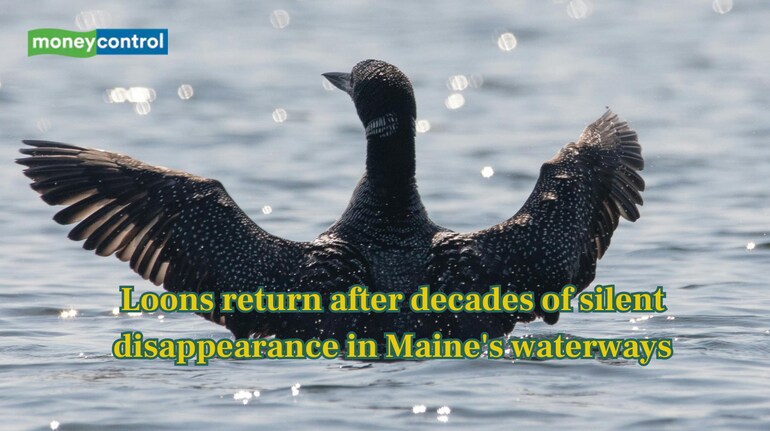

For years Maine waterways remained strangely quiet and empty. No haunting calls echoed across misty northern waters anymore. Birdwatchers feared the loons had vanished forever silently. Scientists recorded falling numbers and worsening environmental damage. But recently, something remarkable is happening across remote forest lakes. Officials confirm loons are making an astonishing comeback.
Maine: Home to largest Loon population
Loons are a type of diving waterbird, recognized for their distinct call "haunting." Maine is home to the largest loon population on the East Coast. Loons can dive up to 60 metres underwater. They travel about 3,000 to 5,000 kilometres each year.
Their calls can travel across large lakes. They breed in northern lakes (Canada and northern USA) mostly. Annual surveys track every major population change carefully. Maine now leads global efforts in loon conservation success.
Who Helped Bring the Loons Back?
This recovery did not happen by accident. Wildlife officers, scientists, volunteers and local residents worked together. "We are cautiously optimistic after seeing two years of growing chick numbers," Maine Audubon wildlife ecologist Tracy Hart.
Maine Audubon noted a 13% increase in the number of adult loons over the past 10 years. According to Maine Audubon's estimates, there are 3,174 adult loons and 568 chicks in southern Maine. The count is more than twice the number when they started counting in 1983.
Loons used to be full of mercury - from coal-fired power plants. Between regulation and closure of coal plants, mercury emissions way down - and now: "More loons are filling Maine’s lakes with their haunting calls" https://t.co/AfwgSt1uYG via @EENewsUpdates— Bruce Nilles (@brucenilles) December 15, 2025
How Conservation Reversed the Loon Decline?
Scientists first identified major threats facing loons. Pollution fishing gear and habitat loss topped the list. Strict environmental laws reduced mercury and toxic waste. Lead sinkers were banned in sensitive lake zones. Protected nesting areas limited human disturbance. Volunteers guarded nests during breeding seasons.
Why Did Loons Nearly Disappear?
Pollution once poisoned lakes and food chains. Mercury from industries entered fish and birds. Lead sinkers damaged internal organs after accidental swallowing. Fishing lines trapped wings and restricted movement. Climate change disturbed breeding seasons and fish availability. Human pressure pushed loons towards population collapse.
Loons: Guardians Of Maine’s Lake Ecosystem
Loons act as natural indicators of water quality. Their presence reflects clean lakes and healthy fish populations. When loons thrive, ecosystems remain balanced and stable. Scientists monitor loons to detect early environmental problems. Falling numbers warn about pollution and habitat damage.
Discover the latest Business News, Sensex, and Nifty updates. Obtain Personal Finance insights, tax queries, and expert opinions on Moneycontrol or download the Moneycontrol App to stay updated!
Find the best of Al News in one place, specially curated for you every weekend.
Stay on top of the latest tech trends and biggest startup news.





