






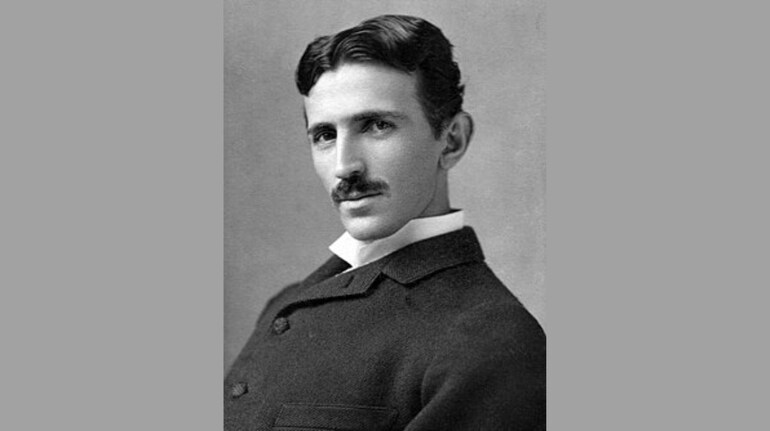

The ideas of inventor Nikola Tesla continue inspiring debate, as scholars revisit his belief that the human mind functions not as a creator, but as a receiver connected to the universe.
Tesla, whose work shaped modern electricity and communication, often spoke about consciousness in unusual terms. He believed human thought did not originate independently within the brain. Instead, he suggested the mind received information from a larger universal intelligence.
This idea, once dismissed as eccentric, is gaining renewed attention today. Philosophers, neuroscientists and technologists increasingly examine Tesla’s writings through modern perspectives on cognition and creativity.
Mind as Receiver, Not Creator
Tesla frequently compared the human brain to a radio. He argued radios do not produce music, but receive signals. In the same way, he believed thoughts arrive externally.
According to Tesla, the universe contains a central reservoir of knowledge. Inspiration, insight and invention already exist within this cosmic source. The human mind, he suggested, merely accesses these patterns.
Tesla described invention as discovery rather than personal creation. He often visualised entire machines mentally before construction. He claimed no revisions were needed once physical building began.
This process, Tesla explained, depended upon mental clarity and focus. A calm, disciplined mind could receive information more accurately.
Tuning the Mind With the Universe
Central to Tesla’s belief was the concept of tuning. Just as radios require precise frequencies, minds need alignment. He believed distraction and noise blocked access to universal knowledge.
Tesla encouraged stillness, concentration and internal quiet. These conditions, he said, allowed clearer reception of ideas. Creativity, therefore, became a practice of awareness rather than effort.
This philosophy closely matched his scientific focus on energy principles. Tesla often stated that understanding energy, frequency and vibration revealed universal truths.
His thinking merged scientific reasoning with spiritual curiosity. He viewed consciousness as interconnected with natural laws.
What Tesla’s Idea Means Today
Modern researchers remain divided over Tesla’s claims. Neuroscience generally explains creativity as internal neural activity. Yet some scientists acknowledge the brain’s mysterious capacities.
Psychologists note similarities with flow states and deep focus. Artists often describe ideas appearing suddenly, without deliberate planning.
Tesla’s ideas continue influencing innovation culture worldwide. Many creators now emphasise mindfulness and mental discipline. Whether metaphorical or literal, Tesla’s receiver theory remains powerful.
More than a century later, his vision still challenges assumptions. It asks whether thinking begins inside us, or beyond us.

Discover the latest Business News, Sensex, and Nifty updates. Obtain Personal Finance insights, tax queries, and expert opinions on Moneycontrol or download the Moneycontrol App to stay updated!
Find the best of Al News in one place, specially curated for you every weekend.
Stay on top of the latest tech trends and biggest startup news.





