






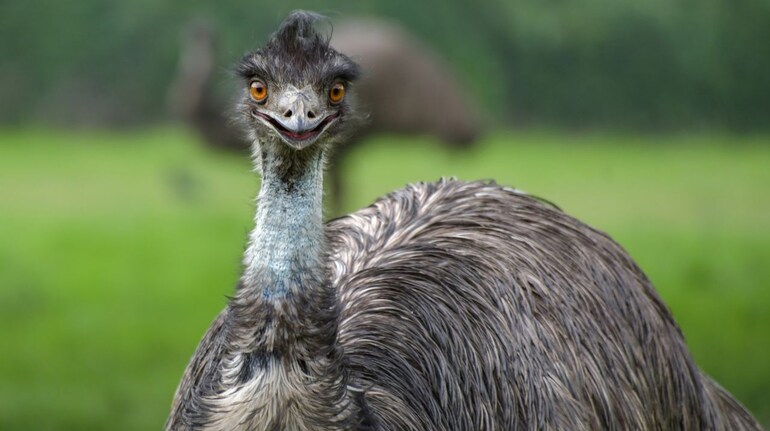

In 1932, Australia launched an unusual military operation. The target was not human enemies. It was thousands of migrating emus in Western Australia. The episode later became known as the Emu War.
Emus are among the world’s largest birds. They stand as tall as adult humans. They are heavy strong and extremely fast runners. Normally, emus avoid human confrontation entirely. However, when threatened, they defend themselves powerfully. Their legs deliver forceful kicks with clawed toes. Such strikes can seriously injure attackers if provoked.
Why the Emu War began
After World War I, Australian veterans received farmland. The land lay across Western Australia’s wheat belt. Conditions were harsh and farming proved difficult. Economic recession reduced wheat prices further. Around this time, emus migrated west seasonally. About 20,000 birds entered farming settlements. They damaged crops and destroyed protective fences. Farmers appealed urgently to government authorities. Officials responded by deploying Royal Australian Artillery units.
The soldiers arrived armed with Lewis machine guns. Heavy rains delayed operations for several days. Once firing began, the plan quickly faltered. Emus scattered into small fast moving groups. This behaviour prevented effective mass shooting. Attempts to ambush large flocks also failed. One machine gun jammed during a planned attack. Only a few birds were killed that day. Shooting from moving trucks proved ineffective too.
 (Image: Canva)
How the emus resisted
Military commanders noted the birds’ resilience. An army major compared them to armoured vehicles. He said emus withstood gunfire remarkably well. Bullets often failed to stop wounded birds. After six days, operations paused temporarily. Emu deaths numbered only in the hundreds. The campaign was abandoned weeks later. Further military assistance requests were refused.
What happened after the Emu War
The emus effectively won the conflict. Authorities later introduced a bounty system instead. This also failed to reduce populations significantly. Over time, focus shifted towards fencing solutions. The State Barrier Fence stretches roughly 1,200 kilometres. It was originally built to block invasive rabbits. Today, it restricts emu migration routes. Many emus now suffer injury or starvation. Writing in The Conversation, ecologist Don Driscoll commented. He stated the fence is now used against native fauna. The Emu War remains a striking lesson. It highlights limits of force against wildlife.

Discover the latest Business News, Sensex, and Nifty updates. Obtain Personal Finance insights, tax queries, and expert opinions on Moneycontrol or download the Moneycontrol App to stay updated!
Find the best of Al News in one place, specially curated for you every weekend.
Stay on top of the latest tech trends and biggest startup news.





