







From laboratories to rainforests, science in 2025 delivered discoveries that surprised, unsettled, and fascinated researchers worldwide. Across biology, astronomy, archaeology, and medicine, scientists uncovered findings that challenged long-held assumptions and revealed unexpected connections within nature and human history.
Nature’s Oddities Rewrite What We Thought We Knew
Researchers documented a newly identified carnivorous caterpillar wearing prey remains for camouflage. Nicknamed the Bone Collector, it decorates itself using insect body parts. Scientists say only 0.1 per cent of caterpillars eat meat.
 The bone collector caterpillar weaves the dismembered remains of its prey into a form of protective armour. (Image: Rubinoff lab, Entomology Section, University of Hawaii, Manoa)
Marine scientists also observed orcas showing unfamiliar social behaviours during 2025. Pods were seen using kelp tools to groom each other. Cameras also recorded unusual tongue-to-tongue interactions between adult whales.
In another discovery, researchers showed fungi generating electrical signals resembling musical rhythms. Oyster mushrooms powered robotic systems that produced sound, poetry, and paintings. Scientists stressed the fungi were not conscious performers.
Biologists also found parasites linked to behavioural changes in humans. Toxoplasma gondii, spread through cats, increased impulsive and risky behaviour. Researchers estimate the parasite exists in up to 60 per cent of people.
Human Bodies, Minds and Medicine Under the Microscope
Archaeologists uncovered a preserved Austrian mummy with unusual embalming methods. The body was filled internally using wood, fabric, and chemicals. Experts confirmed the material entered through the rectum centuries ago.
Medical researchers reported the birth of the world’s oldest newborn. An embryo frozen since 1994 was implanted successfully. The baby was born to adoptive parents decades later.
Dental scientists at King’s College London tested toothpaste made from human hair. The keratin compound repaired enamel and reduced nerve exposure. Researchers said the method could offer sustainable dental care.
Psychologists also studied dietary reactions among vegetarian participants. Brain scans showed meat triggered disgust similar to faeces. Scientists said emotional conditioning explained the response.
Space, Time and Colour Stretch Scientific Boundaries
Astronomers suggested Earth may lie inside a vast cosmic void. The theory could explain conflicting measurements of universal expansion. This idea gained attention during debates on the Hubble tension.
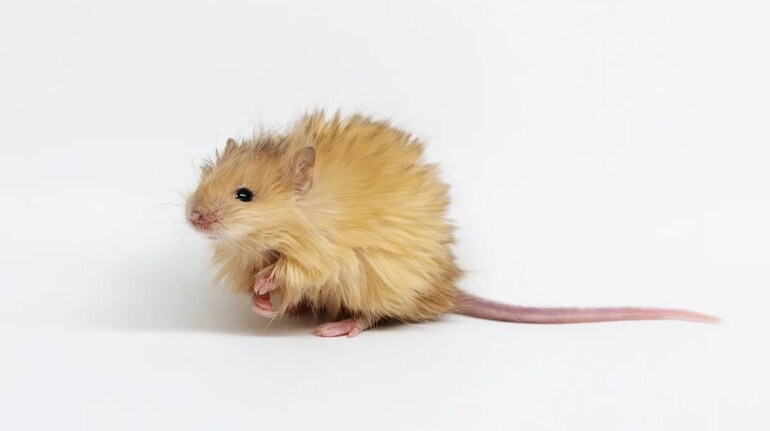
In genetics, scientists advanced efforts to reverse extinction losses. Colossal Biosciences engineered mammoth-like mice and revived the dire wolf. Plans also emerged to resurrect Australia’s extinct thylacine.
Vision scientists reported discovering a new colour beyond human perception. Named olo, it exists between blue and green wavelengths. Seeing it requires lasers stimulating specific retinal cone cells.
What These Discoveries Mean Next
Experts say 2025 highlighted science’s unpredictable direction. Each finding opened questions about ethics, ecosystems, and future research priorities. Together, they showed curiosity still drives humanity’s understanding forward.
Discover the latest Business News, Sensex, and Nifty updates. Obtain Personal Finance insights, tax queries, and expert opinions on Moneycontrol or download the Moneycontrol App to stay updated!
Find the best of Al News in one place, specially curated for you every weekend.
Stay on top of the latest tech trends and biggest startup news.





