






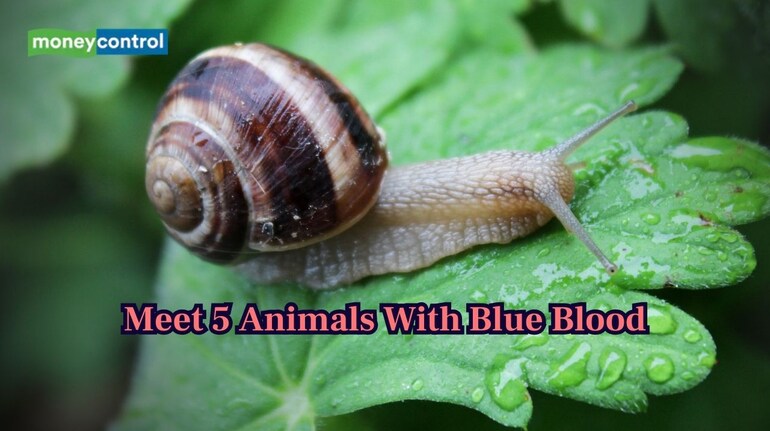

Not all animals follow the red-blooded rule. Some creatures carry "blue blood" and it is not just for show. The secret lies in a molecule called hemocyanin, which contains copper. When it binds oxygen, their blood turns bright blue. Some animals use this unique chemistry to survive in extreme or unusual habitats.
From spiders lurking in your garden to octopuses hunting in the deep sea, blue blood is an evolutionary marvel. Scientists are still fascinated by how these creatures thrive in such conditions.
Blue blood is different from the red blood humans have. Instead of iron-based hemoglobin, these animals use hemocyanin, a copper-rich protein. When oxygen attaches to hemocyanin, the blood turns bright blue.
This system works well in cold, low-oxygen environments, helping creatures like octopuses and squids survive where red-blooded animals would struggle. In some cases, hemocyanin even improves oxygen transport during high-energy activities.
Blue blood is rare but fascinating. It helps animals survive in extreme conditions. From your backyard to the deep sea, it exists. Here are five amazing animals with blue blood.
Spiders: The Backyard Survivors
Spiders do not have blood like vertebrates. They have hemolymph, but it contains hemocyanin. This fluid delivers oxygen and supports metabolism even in tight or low‑oxygen spaces around their bodies.
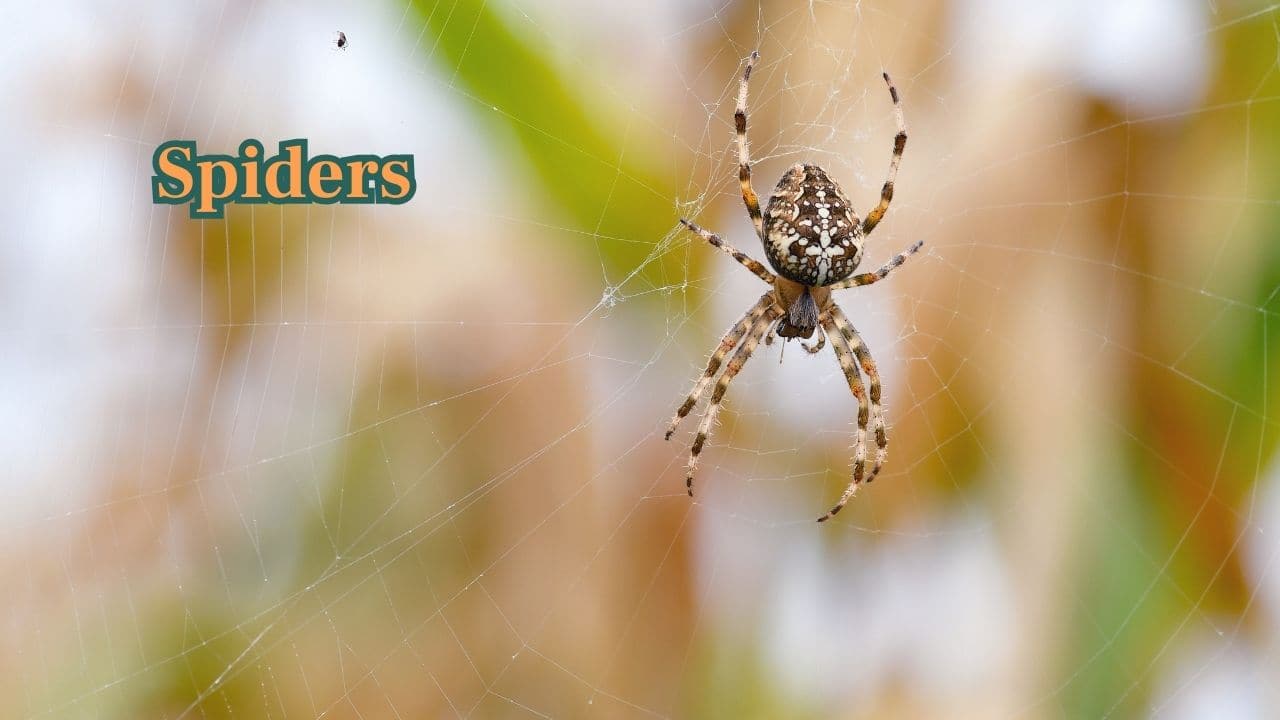 Spiders (Image: Canva)
Octopuses: The intelligent Creature in Water
Octopuses rely on blue blood for oxygen transport in cold, oxygen‑poor waters. Their circulatory system includes three hearts, helping hemocyanin‑rich blood reach tissues efficiently.
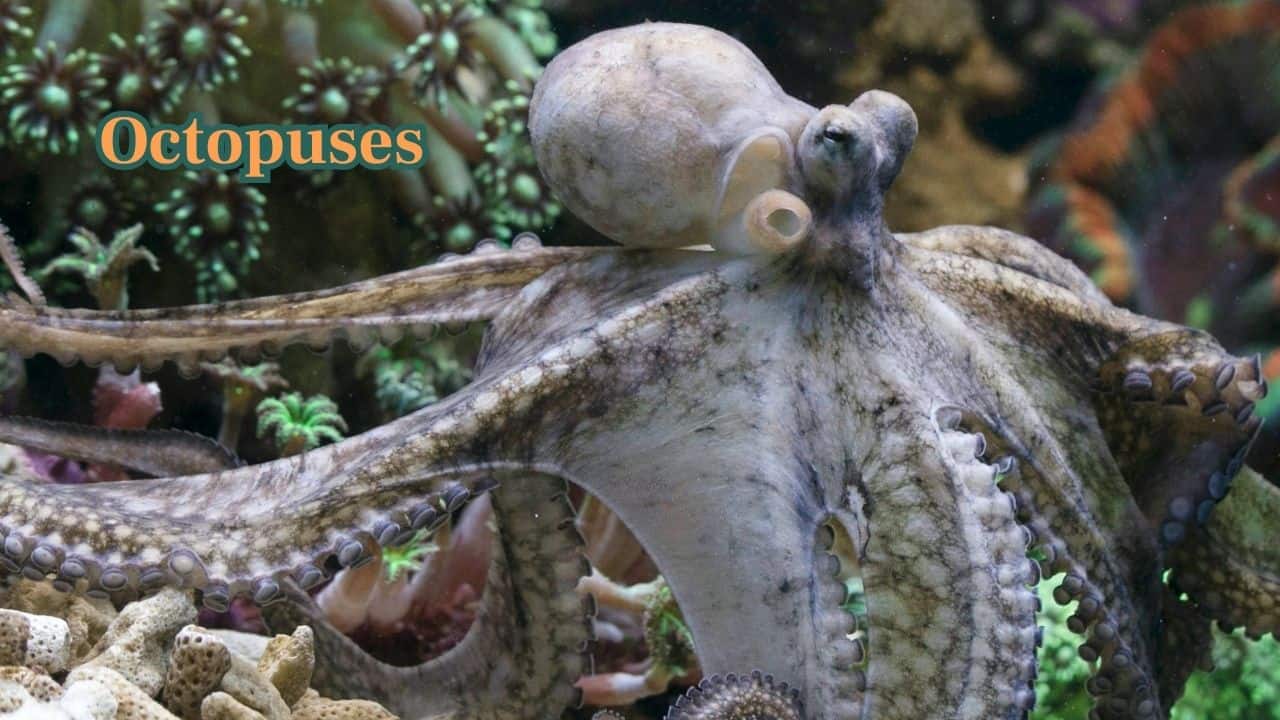 Octopuses (Image: Canva)
Squids: The Deep‑Sea Hunters
Like octopuses, squids use hemocyanin to fuel fast swimming and active hunting deep underwater, where oxygen is scarce. Their blue blood is more than a curious colour. This adaptation keeps them agile and strong hunters.
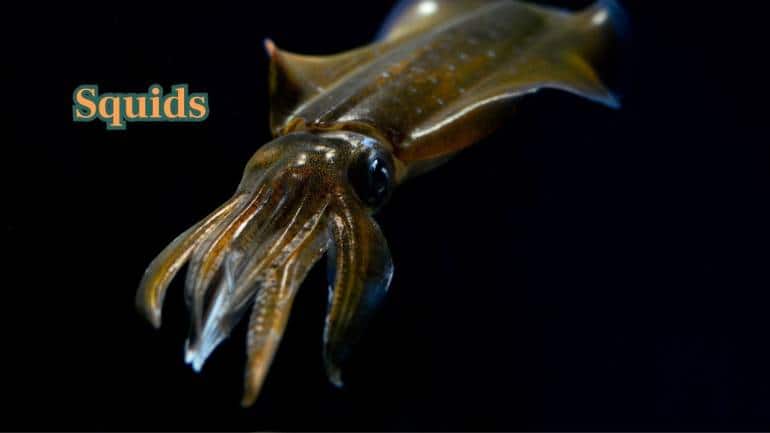 Squids (Image: Canva)
Horseshoe Crabs: The Living Fossils
The blue blood in Horseshoe crabs is not just unusual, instead it is medically invaluable. It contains cells used in tests that ensure vaccines and medical devices are free from bacterial contamination.
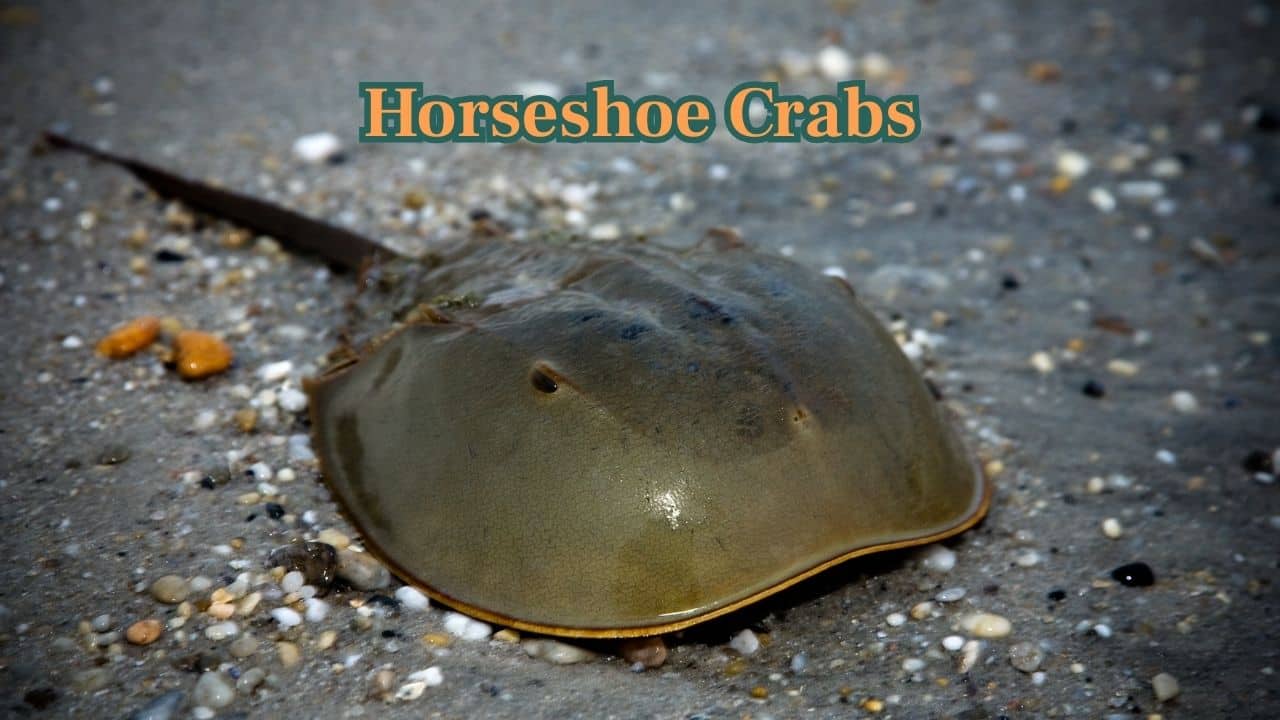 Horseshoe Crabs (Image: Canva)
Snails: The Slow and Steady
Many snails are both marine and terrestrial. They have blue blood. Hemocyanin supports oxygen transport in low‑oxygen environments, matching their slow metabolic rates.
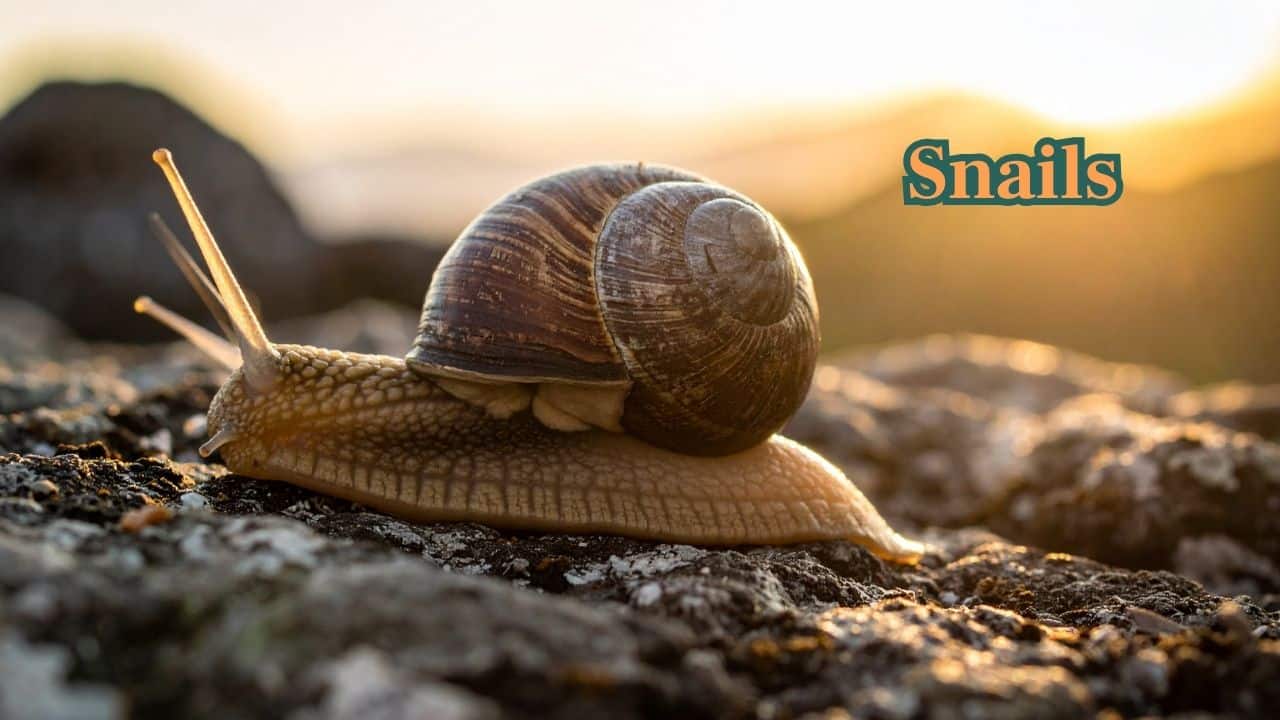 Snails (Image: Canva)
Yes, blue blood is specific to certain animals. It is never naturally found in plants or humans. The copper-based hemocyanin system evolved in invertebrates like mollusks, arachnids and some arthropods to survive diverse habitats.
Studying blue-blooded animals reveals evolutionary tricks for survival. It helps scientists understand alternative oxygen transport systems, resilience and adaptation to extreme habitats.
Horseshoe crabs show how blue blood benefits medicine, while octopuses and squids reveal energy-efficient biology. Conserving these species is important for biodiversity and scientific discovery.
Discover the latest Business News, Sensex, and Nifty updates. Obtain Personal Finance insights, tax queries, and expert opinions on Moneycontrol or download the Moneycontrol App to stay updated!
Find the best of Al News in one place, specially curated for you every weekend.
Stay on top of the latest tech trends and biggest startup news.





