






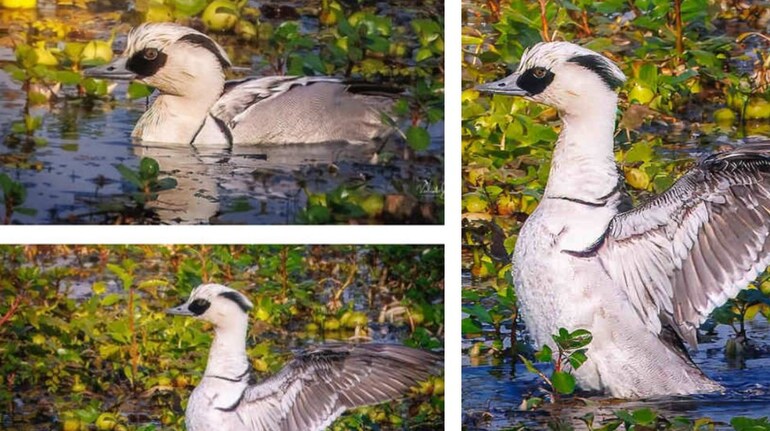

A rare visitor stunned observers in Assam this winter. A waterbird species "Smew" appeared during Kaziranga’s annual waterbird census survey. It marked the species’ first recorded sighting in Kaziranga. The discovery electrified scientists and conservationists across northeastern India. The sighting occurred during the 7th systematic waterbird count.
Where was waterbird Smew sighted in wetlands?
The bird was observed within Kaziranga’s vast wetland network. These wetlands include floodplains and oxbow lakes. The sighting occurred during systematic bird census monitoring. Assam Forest Department were scanning migratory flocks at dawn when this bird appeared.
A Record-Breaking Census in Assam
The census documented an astonishing 105,540 waterbirds this season. Teams surveyed wetlands across Kaziranga National Park meticulously. Observers counted ducks, geese, storks and waders carefully.
Floodplains and oxbow lakes teemed with migratory winter visitors. Kaziranga’s wetlands proved thriving habitats for avian biodiversity.
Smew is Black and White in Colour
The Smew is a small diving duck. Males display striking black and white plumage patterns. Females appear softer, with grey bodies and chestnut heads. The species feeds mainly on fish and aquatic invertebrates. It prefers cold freshwater lakes and sheltered wetlands.
Where Does the Smew Usually Reside?
The Smew is not native to India. Scientists view this sighting as ecologically significant. It breeds across northern Europe and Siberia. During winter, it migrates to parts of Europe and East Asia. Occasional records exist from northern regions of the subcontinent. However, sightings in northeast India remain extremely rare.
How Many Smews Were Seen?
Officials reported only a single Smew individual. No additional birds of the species were detected. This suggests the sighting was an isolated occurrence. Even one confirmed record carries scientific importance. It expands Kaziranga’s known avian diversity significantly.
Scientists are Amazed by the Discovery
Researchers describe the sighting as extraordinary. Unexpected species often signal ecological or climatic shifts. Long-term monitoring helps detect subtle environmental transformations. The Smew’s debut may reflect broader habitat changes. Wetland quality could also attract unusual winter visitors. For scientists, this lone duck raises many new questions.
Discover the latest Business News, Sensex, and Nifty updates. Obtain Personal Finance insights, tax queries, and expert opinions on Moneycontrol or download the Moneycontrol App to stay updated!
Find the best of Al News in one place, specially curated for you every weekend.
Stay on top of the latest tech trends and biggest startup news.





