






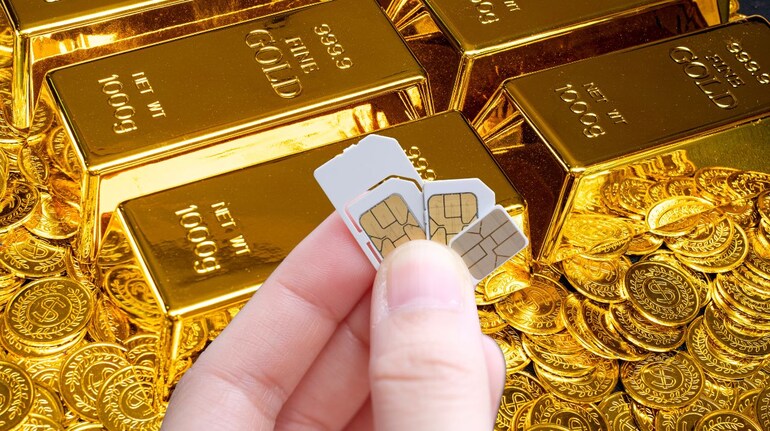

A Chinese scrap metal refiner has drawn attention online after claiming he extracted significant quantities of gold from discarded SIM cards and electronic waste, according to a recent South China Morning Post report. The individual, known online as Qiao, lives in Huizhou, located in China’s Guangdong province. His videos demonstrating gold extraction spread widely online and have gained more than five million views. The activity has triggered curiosity and safety concerns alike.
How gold was recovered from electronic waste
Qiao works professionally refining scrap precious metals legally. He shared videos showing chemical processing of old SIM cards. The SIM cards were placed inside chemical-filled industrial drums. Multiple stages followed, including corrosion, filtering, and melting, with high temperatures applied during final separation stages. After processing, small amounts of pure gold remained. Qiao claims extracting about 191 grams of gold, a value roughly equal to 200,000 yuan, or nearly 26 lakh Indian rupees.
He clarified gold did not come only from SIM cards. Around two tonnes of electronic scrap were processed, including telecommunications chip waste materials. SIM cards contain thin gold coatings on components to prevent corrosion and ensure reliable long-term performance. Individual SIM cards contain less than 0.01 grams of gold, but large volumes make extraction economically viable, Qiao explained. Bank cards and communication devices also contain gold.
Social media reaction and growing public curiosity
After the video, users nicknamed Qiao a modern alchemist. Several viewers shared regret about discarded electronic chip waste, while others stressed chemical knowledge is essential for such work. Many viewers attempted buying SIM cards for extraction, which raised concerns about safety and legality. Qiao issued a strong warning to viewers, saying the process requires licences and certification. He emphasised his operations follow legal regulations, and attempting similar experiments without expertise is dangerous. Improper chemical handling can cause severe injuries, and in several countries, unlicensed e-waste processing is illegal.
What it means for recycling possibilities
Experts say the story highlights e-waste recycling potential, as electronic waste contains valuable recoverable precious metals. However, environmental risks remain serious, and chemical fumes and waste can cause pollution. Improper disposal threatens health and surrounding ecosystems. Qiao reiterated he discourages home experimentation attempts and urged viewers not to copy dangerous methods. The case demonstrates opportunity alongside significant risk. Professional recycling could reduce electronic waste globally, but safety, regulation, and expertise remain essential. The South China Morning Post reported the story.
Discover the latest Business News, Sensex, and Nifty updates. Obtain Personal Finance insights, tax queries, and expert opinions on Moneycontrol or download the Moneycontrol App to stay updated!
Find the best of Al News in one place, specially curated for you every weekend.
Stay on top of the latest tech trends and biggest startup news.





