






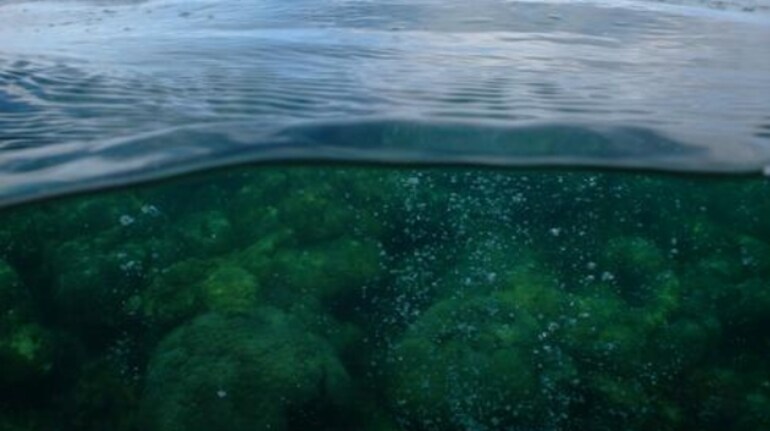
Coral reefs may soon shift to algae-dominated ecosystems. Scientists warn recovery will slow dramatically by 2100. The change threatens marine life depending on healthy reefs. Volcanic seeps provide a preview of future acidic seas. New findings highlight urgent climate action for coral survival.
Underwater Changes Already Emerging
Natural CO₂ seeps surround submarine volcanoes in Papua New Guinea. They release nearly pure CO₂ into shallow reef systems. Reefs here endure lifelong exposure to acidic conditions. Coral cover declines gradually with increasing CO₂ levels. Fleshy algae spread and smother coral surfaces completely.
A Unique Living Laboratory
The seeps lie near Milne Bay in remote waters. Access requires flights and long sea travel journeys. Thirty-seven sites formed a 500-metre exposure gradient. These living reefs act as vital scientific time machines. Their natural setting reveals long-term ecosystem transformations.
Expert Collaboration Over Years
AIMS scientists led the extensive field research project. Dr Katharina Fabricius guided the ecological investigations. Dr Sam Noonan served as primary study author. Teams partnered with colleagues in Western Australia and Saudi Arabia. The work expanded across more than ten years.
Human and Ecosystem Impacts
Coral complexity shelters young fish from predators. Reduced coral growth shrinks nursery spaces for juveniles. Millions rely on reefs for food and coastal protection. Tourism economies also depend on vibrant reef habitats. Protecting reefs safeguards global life and livelihood security.
Future Conditions and Timelines
Ocean acidity has risen thirty percent already. Projections show pH falling to 7.8 soon.
Coral decline may accelerate dramatically by 2100. Even Paris Agreement pathways carry visible consequences.
High emissions drive faster, more damaging ecological shifts. Scientists will continue monitoring reef recovery potential. Ongoing studies address resilience under shifting conditions.
Local communities may require new resource strategies. Data supports conservation that adapts to changing oceans. Cutting emissions remains the clearest path for hope.
Discover the latest Business News, Sensex, and Nifty updates. Obtain Personal Finance insights, tax queries, and expert opinions on Moneycontrol or download the Moneycontrol App to stay updated!
Find the best of Al News in one place, specially curated for you every weekend.
Stay on top of the latest tech trends and biggest startup news.









