






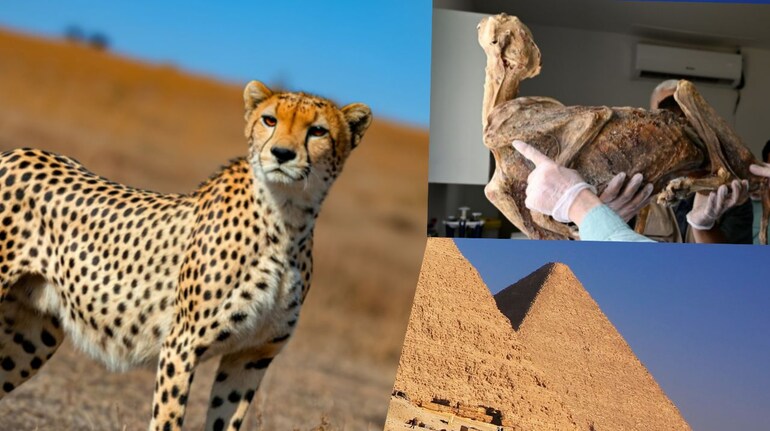

Scientists have made a remarkable discovery in northern Saudi Arabia. Deep desert caves near the city of Arar contained Cheetah remains. The animals lived thousands of years ago, some as recently as a century. Researchers believe this find sheds new light on cheetah history.
What Did Researchers Find?
Scientists uncovered ancient cheetah remains in northern Saudi Arabia. The site is near the city of Arar in desert caves. Radiocarbon dating shows some lived from 2,000 to 4,000 years ago. Other bones are much more recent, even as recent as a century. The discovery includes seven complete mummified cheetahs and dozens of skeletal remains.
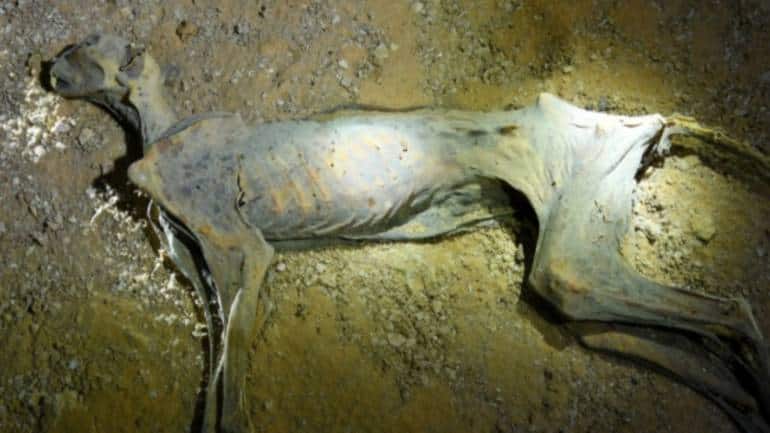 Radiocarbon dating shows some lived from 2,000. (Image: Ahmed Boug)
Do Cheetah Mummies exist?
Unlike Egyptian mummies, these cheetahs were preserved naturally over time. Dry desert air and stable temperatures slowed decomposition remarkably well. Some specimens retain soft tissue, giving scientists an unprecedented view. The mummies show physical characteristics of cheetahs that roamed Arabia historically. Caves acted as natural shelters and time capsules for these predators.
How Much This Study Is Important?
The mummies provide rare, tangible evidence of ancient wildlife in Arabia. They offer genetic data critical for protecting modern Asiatic cheetahs. The study may guide rewilding or breeding programmes in the region. It also highlights the importance of desert ecosystems for biodiversity. Overall, the research connects history, genetics, and conservation for future benefit.
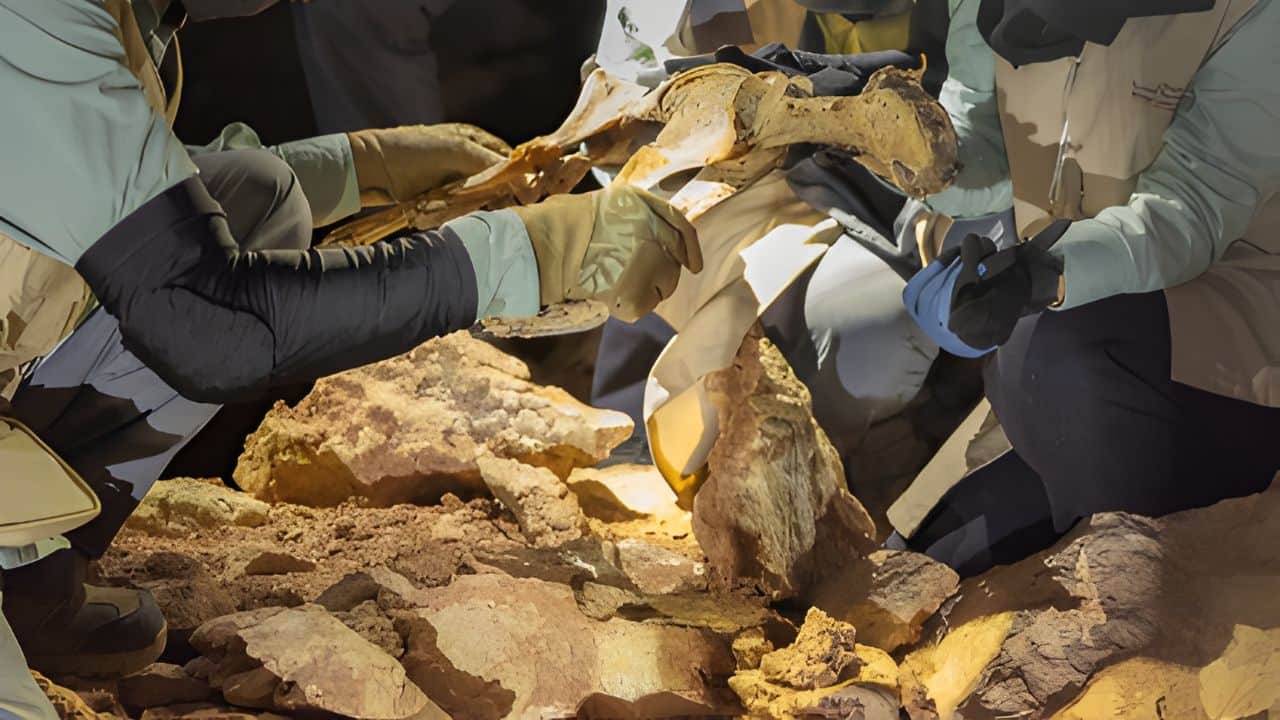 The discovery proves cheetahs were once a major predator in deserts. (Image: Ahmed Boug et al./Communications Earth & Environment)
What Genetic Clues got from Ancient DNA?
Researchers successfully extracted DNA from some of the mummified cheetahs. Analysis shows links to modern Asiatic and northwest African cheetahs. This indicates ancient cheetahs were genetically diverse and widely distributed. DNA may help understand why cheetahs disappeared from much of Arabia. It could also guide modern conservation and potential reintroduction efforts.
How This Discovery Changes Science?
The find revises our understanding of cheetah historical ranges significantly. It shows cheetahs were once common predators in Arabian deserts. Caves may have been used more frequently than previously thought. The discovery allows researchers to study physiology and adaptation directly. It opens new research opportunities in paleontology and wildlife conservation.
Discover the latest Business News, Sensex, and Nifty updates. Obtain Personal Finance insights, tax queries, and expert opinions on Moneycontrol or download the Moneycontrol App to stay updated!
Find the best of Al News in one place, specially curated for you every weekend.
Stay on top of the latest tech trends and biggest startup news.





