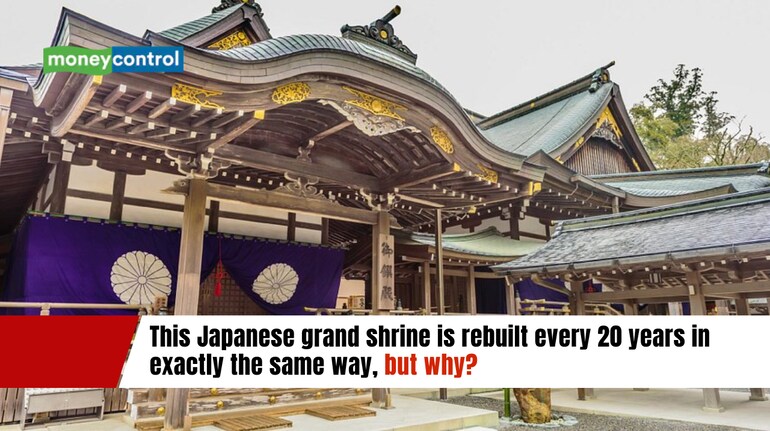

Deep in Mie Prefecture Japan stands one of the most sacred Shinto sites in the world Ise Shrine also called Ise Jingu. Unlike most historic monuments that are preserved for centuries this grand shrine is completely rebuilt every 20 years in the same traditional design. This ritual called Shikinen Sengū has continued for more than 1,300 years. But the real question is why rebuild a holy shrine instead of protecting the original structure.
What is Ise Shrine?
Ise Shrine is not one single temple but a large sacred complex made up of many shrines. At its heart are two main sanctuaries. Naikū or Inner Shrine dedicated to Amaterasu Ōmikami the sun goddess and spiritual ancestor of the Japanese imperial family. Gekū or Outer Shrine dedicated to Toyouke-hime the goddess of food agriculture and industry.
These shrines are built entirely from Japanese cypress wood without using nails. The design follows the ancient Shinmei-zukuri style which resembles early rice granaries of Japan.
For Shinto believers Ise is the holiest place in the country. Ordinary visitors cannot enter the inner sanctum but they can walk through the sacred forest and approach the outer gates to pray.
The 20-year rebuilding tradition called Shikinen Sengū
Every two decades the main buildings of Naikū Gekū and even the Uji Bridge are dismantled and rebuilt on an empty plot right next to the old one. The current shrine was rebuilt in 2013 and the next reconstruction is scheduled for 2033.
This is not renovation. It is complete rebuilding from scratch in exactly the same style with the same measurements and the same materials. The entire process takes around 17 years. The early years focus on planning rituals and preparing wood. The final eight years involve actual construction.
Why is no human allowed to witness what happens in this temple after sunset?
Why is it rebuilt again and again
There are four major reasons behind this sacred practice.
1. Shinto belief in renewal Tokowaka
In Shinto tradition nothing is meant to stay physically permanent. Life nature and the divine are constantly renewing. Rebuilding the shrine symbolizes spiritual freshness and eternal purity rather than decay.
For believers the shrine remains ancient in spirit but always new in form. That is the beauty of Ise.
2. Passing down ancient craft skills
Only highly trained traditional carpenters called miyadaiku can build the shrine. Power tools are not allowed inside the sacred area.
By rebuilding every 20 years younger craftsmen learn these rare skills directly from masters. Without this cycle many ancient Japanese woodworking techniques would have disappeared.
3. Honoring Amaterasu with the best offering
The shrine itself is seen as an offering to the goddess Amaterasu. Rebuilding it is a way of showing deep devotion gratitude and respect. Instead of letting the shrine age believers present her with a fresh sacred home.
4. Maintaining sacred energy
Shinto faith teaches that objects and places hold spiritual power. Reconstructing the shrine is believed to renew its divine strength and spiritual balance.
Why does no one dare to open the serpent-cursed vault that holds a trillion-dollar treasure?
How the rebuilding happens
Before construction begins a sacred central wooden pillar called the shin-no-mihashira is placed in the empty plot. The new shrine is built around this pole which is never exposed to public view.
Thousands of volunteers from nearby villages participate in festivals such as the Okihiki Festival where massive wooden logs are dragged through the streets toward the shrine.
The materials especially hinoki cypress wood are carefully selected soaked in water for years and dried before use. The 2013 rebuilding was funded entirely by private donations totaling around 57 billion yen which shows how deeply people value this tradition.
Festivals and community connection
The rebuilding is not just construction. It is a living cultural event. During the Shiraisshiki ritual local villagers carry white stones to the sacred grounds. People dress in traditional happi coats and take part in joyful processions.
Annual ceremonies such as Kannamesai in October offer the first harvest of rice to Amaterasu continuing an agricultural tradition that goes back centuries.
Why this matters today
In a fast-changing digital world Ise Shrine reminds Japan of its root's faith and craftsmanship. It is tradition done with heart discipline and unity. For tourists Ise is a spiritual journey. For believers it is a sacred duty. For craftsmen it is a living classroom. And for Japan it is a timeless cultural soul. Old ways done right still hit different. And honestly that is what makes Ise legendary.

Discover the latest Business News, Sensex, and Nifty updates. Obtain Personal Finance insights, tax queries, and expert opinions on Moneycontrol or download the Moneycontrol App to stay updated!
Find the best of Al News in one place, specially curated for you every weekend.
Stay on top of the latest tech trends and biggest startup news.