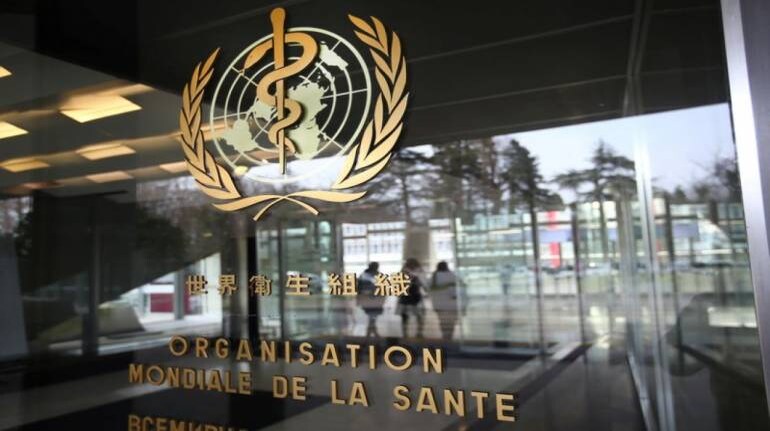
The COVID-19 pandemic is having a "devastating impact" on mental health services globally, the World Health Organization said Monday, ahead of a large fundraising push.
It warned that mental health had been overlooked in the crisis, pointing to a survey conducted between June and August that revealed severe disruptions to services in 93 countries.
While 83 percent of the 130 countries surveyed had included mental health in their coronavirus pandemic response plans only 17 percent had actually set up the full funding required, it said.
"This is a forgotten aspect of COVID-19," WHO mental health director Devora Kestel told a virtual media briefing, stressing the urgent need for increased funding.
Before the pandemic, countries were spending less than two percent of their national health budget on mental health, and were struggling to meet demand, the WHO said.
That demand has now dramatically increased due to the pandemic.
"Bereavement, isolation, loss of income and fear are triggering mental health conditions or exacerbating existing ones," the agency said in a statement.
"Many people may be facing increased levels of alcohol and drug use, insomnia, and anxiety."
Though all regions of the world have been affected, high-income nations had been better able to maintain the provision of services.
WHO's survey found that 30 percent of countries reported some disruption in emergency mental health provision and medication supplies for people with disorders.
Prevention services were sharply affected while travel restrictions hindered patient access to health facilities.
However, countries are learning to respond with innovative solutions such as telemedicine and teletherapy interventions.
The WHO also said more data was needed on COVID-19's effect on brain health, with fewer than one in 10 countries conducting research.
The WHO said that estimates before the coronavirus pandemic showed that nearly $1.0 trillion in economic productivity was lost annually from depression and anxiety alone.
However, studies showed that every dollar spent on evidence-based care for depression and anxiety returned $5.00.
On Saturday, the WHO is hosting on social media "The Big Event for Mental Health", calling for increased investment.
Those taking part include Queen Mathilde of the Belgians; footballer Alisson Becker, the Brazil and Liverpool goalkeeper; and pop star Lady Gaga's mother Cynthia Germanotta.
Also involved are the widow of Chester Bennington, the Linkin Park singer who committed suicide in 2017, and Klas Bergling, the father of the Swedish superstar DJ Avicii, who was found dead two years ago aged 28.
Follow our full coverage of the coronavirus pandemic here.Discover the latest Business News, Sensex, and Nifty updates. Obtain Personal Finance insights, tax queries, and expert opinions on Moneycontrol or download the Moneycontrol App to stay updated!
Find the best of Al News in one place, specially curated for you every weekend.
Stay on top of the latest tech trends and biggest startup news.