Moneycontrol PRO
HomeNewsTrendsHealthCOVID-19 | IMA says third wave 'inevitable, imminent', warns against 'super-spreader' events

COVID-19 | IMA says third wave 'inevitable, imminent', warns against 'super-spreader' events

IMA's warning comes at a time when violations of safety norms have been reported in a number of tourism-centric states due to the influx of visitors.

July 12, 2021 / 16:08 IST
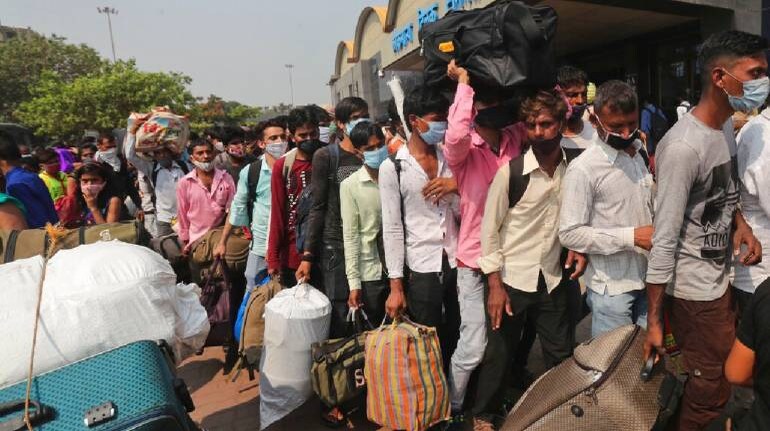
Representative image

A third wave of the COVID-19 pandemic is "inevitable" and "imminent", the Indian Medical Association (IMA) said on July 12. The top doctors' body also warned the state governments against allowing potential "super-spreader" events.

IMA specifically marked its concern over tourism activities, pilgrimages and other forms of mass congregations which have been permitted in a number of states amid the declining coronavirus second wave.

"With the global evidence available and the history of any pandemic, the third wave is inevitable and imminent," the medical association said in a press release.

The increase in vaccination coverage, along with strict adherence to the COVID-appropriate behaviour for "minimum three months" can mitigate the impact of a potential third wave, it said.

Also Read | Third wave of COVID-19 may hit India in August, peak in September: SBI report

COVID-19 Vaccine

Frequently Asked Questions

View more
How does a vaccine work?

A vaccine works by mimicking a natural infection. A vaccine not only induces immune response to protect people from any future COVID-19 infection, but also helps quickly build herd immunity to put an end to the pandemic. Herd immunity occurs when a sufficient percentage of a population becomes immune to a disease, making the spread of disease from person to person unlikely. The good news is that SARS-CoV-2 virus has been fairly stable, which increases the viability of a vaccine.

How many types of vaccines are there?

There are broadly four types of vaccine — one, a vaccine based on the whole virus (this could be either inactivated, or an attenuated [weakened] virus vaccine); two, a non-replicating viral vector vaccine that uses a benign virus as vector that carries the antigen of SARS-CoV; three, nucleic-acid vaccines that have genetic material like DNA and RNA of antigens like spike protein given to a person, helping human cells decode genetic material and produce the vaccine; and four, protein subunit vaccine wherein the recombinant proteins of SARS-COV-2 along with an adjuvant (booster) is given as a vaccine.

What does it take to develop a vaccine of this kind?

Vaccine development is a long, complex process. Unlike drugs that are given to people with a diseased, vaccines are given to healthy people and also vulnerable sections such as children, pregnant women and the elderly. So rigorous tests are compulsory. History says that the fastest time it took to develop a vaccine is five years, but it usually takes double or sometimes triple that time.

View more
Show

"In many parts of the country both government and public are complacent and engaged in mass gatherings without following COVID protocols," IMA noted.

"Tourist bonanza, pilgrimage travel, religious fervour all are needed, but can wait for a few more months. Opening up these rituals and enabling people without vaccination to go scot-free in these mass gatherings are potential super spreaders for the COVID third wave," it added.

IMA also pointed out that the onset of a brutal third wave would annul the minor economic gains that would be made for now by relaxing the COVID-related rules.

"The consequences of treating a patient with COVID in hospital and its impacts on the economy will be much better than the economic loss we suffer from avoiding such mass gathering," it added.

IMA's warning comes at a time when violations of safety norms have been reported in a number of tourism-centric states due to the influx of visitors.

Although the country's per-day COVID-19 count has dipped below 40,000, and the overall infection rates continue to remain under 5 percent, experts have raised concern over the gradual rise in R-number - reproduction value of the coronavirus - which increased to 0.88 between June 20 and July 7. It was measured as 0.78 in the May 15-June 26 period.

Moneycontrol News
first published: Jul 12, 2021 04:08 pm

Discover the latest Business News, Sensex, and Nifty updates. Obtain Personal Finance insights, tax queries, and expert opinions on Moneycontrol or download the Moneycontrol App to stay updated!

Subscribe to Tech Newsletters

  • On Saturdays

    Find the best of Al News in one place, specially curated for you every weekend.

  • Daily-Weekdays

    Stay on top of the latest tech trends and biggest startup news.

Advisory Alert: It has come to our attention that certain individuals are representing themselves as affiliates of Moneycontrol and soliciting funds on the false promise of assured returns on their investments. We wish to reiterate that Moneycontrol does not solicit funds from investors and neither does it promise any assured returns. In case you are approached by anyone making such claims, please write to us at grievanceofficer@nw18.com or call on 02268882347