Top 3 stories
Tesla woos India
Driving the news
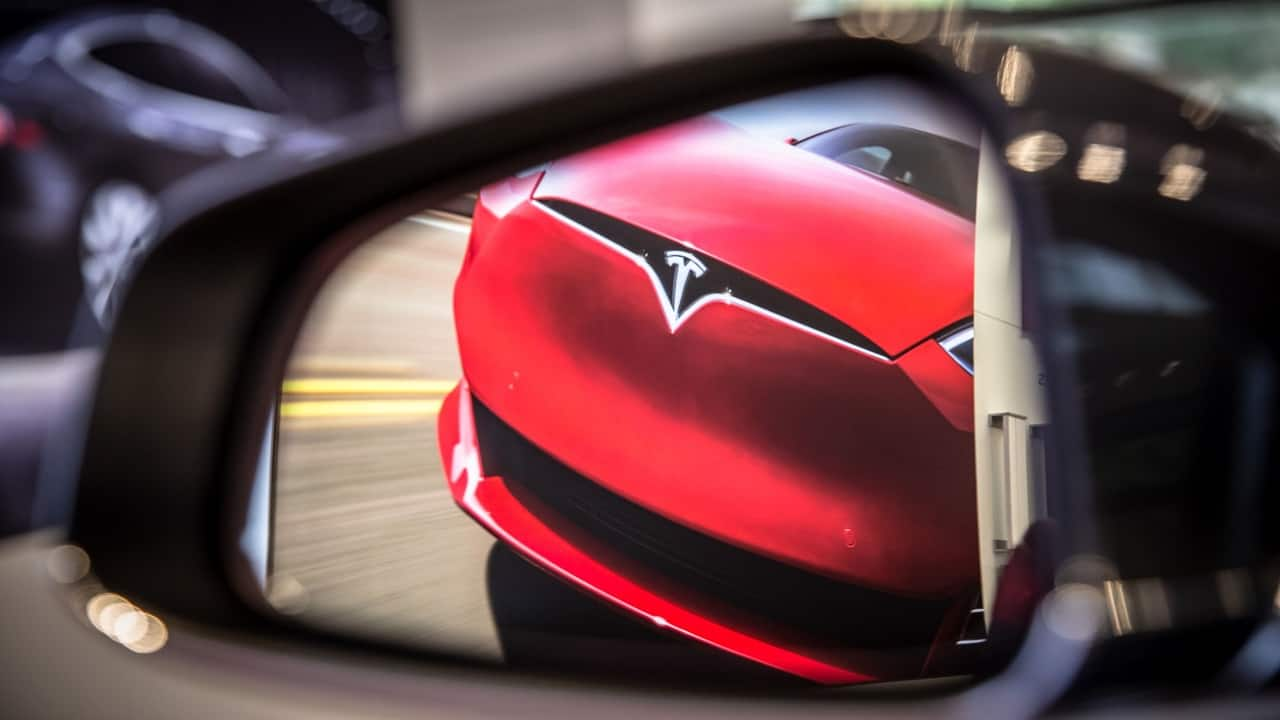
Top executives of Elon Musk-owned Tesla Inc met with officials from the Indian Prime Minister's Office (PMO), Ministry of Road Transport and Highways (PMO), and Ministry of Heavy Industries to discuss plans to build and sell electric vehicles in India.
- Tesla executives have expressed concerns to Indian officials about taxation and duties, which were the friction points that led to the derailing of previous rounds of talks.
The government has also assured existing EV players that any concessions that are decided upon will be available to all manufacturers, not just Tesla.
“We will listen to what they are offering for the Indian market, which is huge. Their plan must have something to benefit the Indian market,” a government official said.
Tesla's past ambitions
Tesla has been teasing its plans to manufacture in India since last year. The company has been in talks with the Indian government to reduce import duties on electric cars, which are currently 100% for cars priced above $40,000 and 40% for cheaper cars.
- India had earlier refused to lower the duties but stated that it would be interested if Tesla set up an automobile manufacturing unit and provided employment in the country.
Find out more
Govt push for Make in India IT hardware
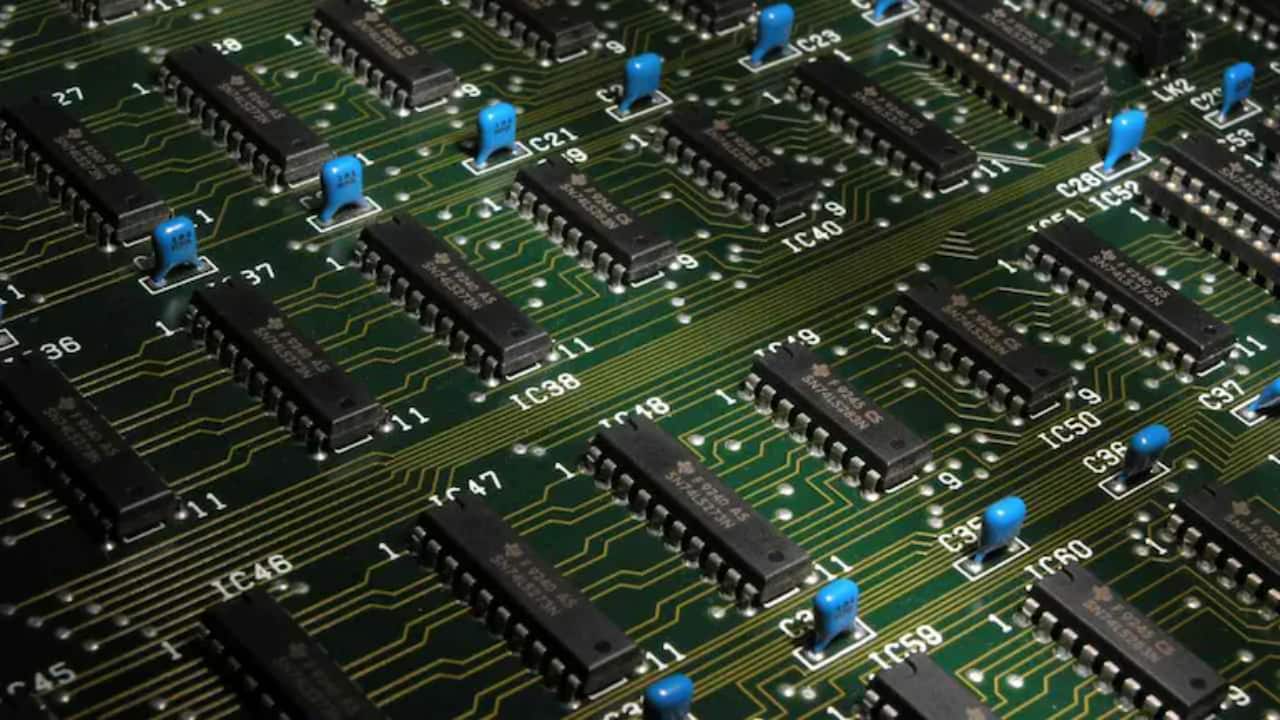
A decade ago, the percentage of smartphones manufactured in India was in the single digits. Today, that number has skyrocketed to over 90%.
With the aim of replicating this success in computing devices such as laptops and tablets, the government today introduced a new production-linked incentive (PLI) scheme for IT hardware.
Big reset
In a previous iteration of the scheme, incentives were set at 2% of net sales from domestic production. Government officials today said that this figure could quadruple, reaching over 8%
"It is an open invitation to companies like Apple. Almost a challenge of sorts. If you can also produce processors along with laptops here, you can avail comprehensive incentives of 8-9%," said a source close to the developments.
Preliminary discussions on the new incentives have already taken place with major laptop producers such as Apple, Acer, HP, and Dell, and they are evaluating them seriously, according to insiders.
Google to enforce Play Store rules in India

0.0003%
That's the percentage of app developers in India who could be paying commissions of over 15% for selling digital goods or services on the Play Store, as per Google. This is the tech giant's attempt to highlight the minimal impact of Google Play’s latest payment policy on app developers here.
Why does it matter?
This is the latest salvo fired by Google in the ongoing standoff with Indian startups over the contentious Play Store fee issue, which has also attracted the ire of the Competition Commission of India (CCI).
Over the past few years, Google Play has faced intense backlash from Indian developers who claim that these costs are onerous for startups.
- Google claims that only 3% of developers globally are subject to the service fee. Even among them, Google states that these developers in question earn less than $1 million a year, which puts them in the 15% service fee tier
- Google charges a higher 30% fee tier for developers earning more than $1 million annually
Last week, the CCI stated that it needs to inquire into Google's new user choice billing policy and evaluate whether the company has complied with its October 2022 order.
Enforcing rules
The tech giant, however, believes that Google Play's new payments policy is compliant with CCI's directives and is beginning to enforce it in India.
Google is informing developers who have not yet implemented any of the three billing options — Google Play's own billing system, an alternate billing system alongside Google Play's, or operate on a consumption-only basis — that it will be taking "necessary steps to ensure our policy is applied fairly."
MC Opinion: Why down rounds may not be a bad thing
The days when deals would close in just a few days are long gone. After startups defended their sky-high valuations during the Covid years, it's now time for them to accept valuation markdowns.
These markdowns, for the time being, are merely paper losses and do not yet reflect the true nature of a company, writes K Ganesh, a serial entrepreneur and promoter in Big Basket, Bluestone, HomeLane, in an opinion piece for us.
Read the opinion piece
Today in tech history: Contract signed to develop ENIAC
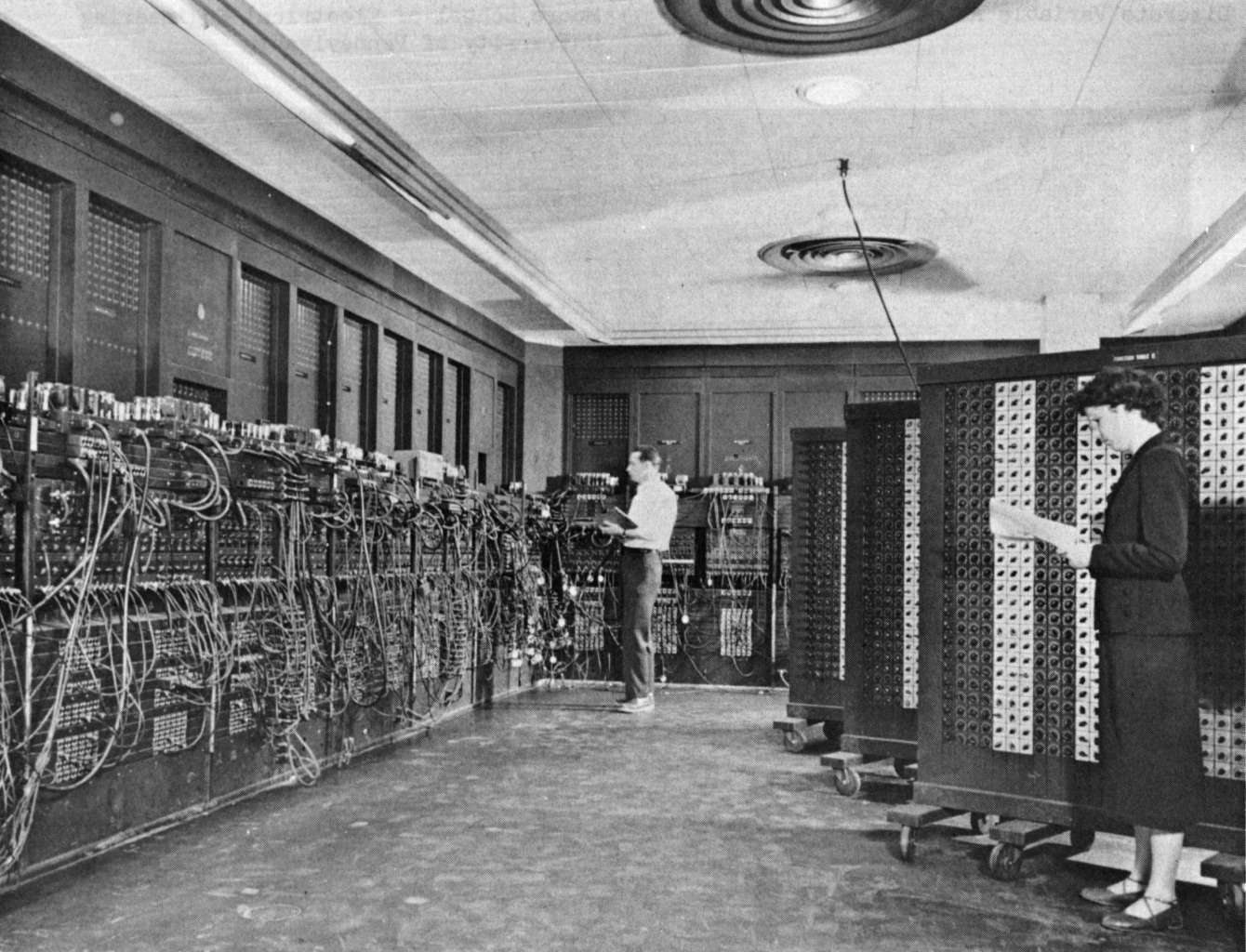
On May 17, 1943, the US Army and the University of Pennsylvania signed a contract to develop ENIAC (Electronic Numerical Integrator And Computer), which would go on to become the world's first fully electronic computer.
The Army's initial intention for ENIAC was to use it in calculating ballistic firing tables during World War II. However, due to various factors, ENIAC was not completed until after the war had ended.



 PREVIOUS
 Tweet of the day
 QUICK HITS
 GLOBAL PICKS