Top 3 stories
Indian Govt has a message for OpenAI’s Sam Altman
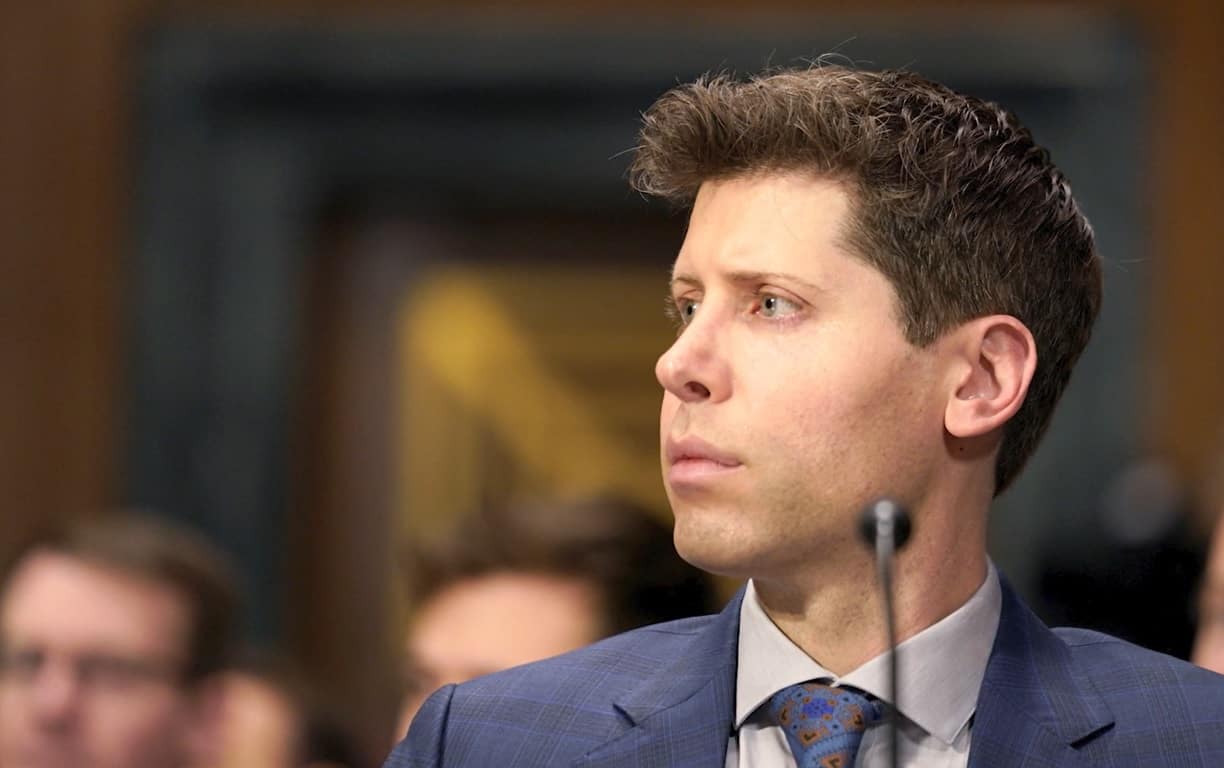
Just on the heels of OpenAI CEO Sam Altman's visit to India next month, the government has a message for him.
Driving the news
Days after Altman suggested an international authority to regulate advanced artificial intelligence (AI), a top Indian minister today indicated that the government might not agree with the view.
Union Minister Rajeev Chandrasekhar stated that India has its own ideas on how to put guardrails for AI innovation.
“If there is eventually a United Nations of AI – as Sam Altman wants – more power to it. But that does not stop us from doing what is right for our digital nagriks (citizens) and keeping the internet safe and trusted,” he said.
Chapter for new tech
The minister also said that the upcoming Digital India Bill, intended to replace the Information Technology Act, will address issues surrounding AI.
- The bill will include a chapter on emerging technologies, including AI, according to Chandrasekhar
- Stakeholder consultations for this chapter have already started, he said
Meanwhile, the government is putting the final touches on the India AI programme, which will create a framework to promote innovation and startups in the field. The roadshows for the programme are scheduled to begin in the coming months.
Investors step in to help DeHaat

A year ago, DeHaat appeared invincible. An agritech startup with strong backing from marquee investors like Sequoia Capital, Sofina, and Naspers, it emerged as a darling in a promising industry.
The next milestone—a unicorn tag, being the first in the sunrise sector—did not seem far away. However, as all good things must come to an end, DeHaat's story seems no different.
What changed?
The company's coffers are depleting rapidly, leaving them in a dire situation with bleak funding prospects during a funding drought, sources tell us.
- The decade-old company still awaits profitability. In FY22, the company reported a net loss of Rs 1,563.9 crore.
To make matters worse, the company’s statutory auditors have raised concerns over its weak internal controls.
Auditor concerns
DeHaat's auditor, MSKA and Associates, raised questions about the company's inventory management practices for three consecutive years (FY20, FY21, and FY22). The auditor also flagged poor internal controls in the last two audits.
More importantly, the auditor said it could not comment on how the issue affected inventory and purchases of traded goods, revenue from operations, and other expenses for these fiscal years.
- And for the three years in question, MSKA and Associates gave a "qualified opinion" in its audit report
In its commentary, DeHaat said that it had provided additional information enabling the auditor to reconcile and physically verify the inventory. However, despite this clarification, the auditor did not retract its qualified opinion.
Investors tighten controls
Investors have now stepped in to monitor its operations in a bid to tighten governance, multiple sources told us.
“There is a recently constituted finance committee through which investors are engaging with the company on areas that require attention. They are aware of the issues, and they are hand-holding the company, helping it resolve those issues,” said a source aware of the matter.
Go deeper
IT freshers lose hope with no joining date in sight

Imagine you are 20 years old, just graduated, and have an offer from a top-tier IT company. The pandemic is just about over, the market is great, and you are eager to start your career. The company gives you an onboarding date, but then pushes it back and says they will get back to you when they can.
A year on, you’re still waiting.
This is the state of many freshers across India, when the market has taken a turn for the worse and companies say they can’t commit to a date.
Tell me more
These students are desperate to secure any job they can, particularly due to familial pressure and the burden of education loans.
“I'm from a middle-class family. My parents had huge expectations of me but I failed to meet them. I have an education loan of nearly Rs 8 lakh. My family needs my support in these tough conditions. Instead of helping them financially, I have become a burden on them,” says one graduate awaiting onboarding.
These fresh graduates are also facing mental health issues and dashed career aspirations due to prolonged delays in onboarding, while their peers in other companies race ahead.
What’s next?
Onboarding delays are not new. They have happened before, during the global financial crisis and the dotcom bust.
- Some HR professionals believe that large IT companies should commit to a start date for new hires. They argue that these companies can afford to do so.
In the meantime, there is only one thing that freshers can do: upskill and stay relevant in the era of ChatGPT.
To find out more about what's on the minds of freshers, what they are doing to stay afloat, the mental health impact on them, as well as what HR experts think, click here.
Today in tech history: First telegraph message sent

On May 24, 1844, Samuel Morse sent the first telegraphic message over a line from Washington, D.C. to Baltimore. The message he transmitted was, "What hath God wrought!"
This message was then received by his partner, Alfred Vail, who retransmitted it back to Morse.



 PREVIOUS
 Tweet of the day
 QUICK HITS
 GLOBAL PICKS