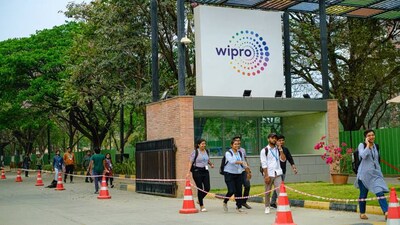
Wipro CHRO Saurabh Govil said the company has already hired over 5,000 freshers so far this fiscal
The Noida-headquartered IT major is looking for specialised talent in data and AI, digital engineering practice, cybersecurity practice, enterprise skills.
From the management commentary so far, 80,000-84,000 IT jobs are up for grabs in the current financial year. However, the actual figure can vary widely, as pointed out by company executives.
This comes at a time when Wipro is reassessing its lateral and campus hiring models to focus on improving utilisation rate of existing employees amidst lowering attrition, to grow margins.
The total headcount for Q2 stood at 317,788, down from 328,764 in in the year-ago period
After more than a year of muted job market, IT companies and startups in India have started hiring again especially for tech jobs, driving up salary expectations
Even at the fresher levels, women are earning around 15.38 percent lower salaries as compared to men
In the June quarter, Wipro onboarded over 3,000 freshers, returning for campus hiring after a year.
Wipro has on boarded over 3,000 freshers in Q1 and plans to hire around 10,000-12,000 people in FY25 including on and off campus.
Infosys had recruited over 50,000 college graduates in FY23.
HCLTech added around 12,141 freshers in FY24.
Tech Mahindra is steadily adding fresh graduates and we are continuing on our path of absorbing 1500 plus fresh graduates every quarter, said CEO Mohit Joshi.
Geographically, Delhi-NCR maintained its lead position with a 19 percent share of job postings, followed by Bangalore (13 percent) and Mumbai (10 percent)
Industries such as Transport, Logistics, and Automotive (88 percent), followed closely by the Information Technology sector (87 percent), are among the most affected by talent shortages.
Companies maintain that they hired ahead of time, and are only hiring from campuses as required.
The TeamLease EdTech study says the top three industries with the highest hiring intent for freshers are e-commerce and technology startups (59 percent), telecommunications (53 percent), and engineering and infrastructure (50 percent).