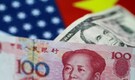
Trump’s tariffs have made Asian central banks’ jobs complicated amid a brewing currency war.
From the start of the year, the Sensex has risen just 2 percent, while key markets have risen between 7-10 percent which is not good news for investors.
Turkey was in the same league as India and China and among the fastest growing economies in the world, but addiction to cheap money has destroyed its foundation
China is the biggest export economy in the world. By allowing its currency to depreciate, Chinese goods will become cheaper in foreign markets.
Manishi Raychaudhuri of BNP Paribas says unless more clarity emerges on this turmoil (China) and the earnings scene, it will be difficult to predict the future
China's central bank lets the yuan spot rate rise or fall a maximum of 2 percent against the dollar relative to the official fixing rate.
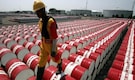
US crude tumbled 9 percent on Wednesday to settle at USD 48.45, erasing nearly all of its gains in the previous two sessions.
French Finance Minister Pierre Moscovici said on Saturday that the Group of 20 had agreed to avoid a currency war, affirming a shared view that exchange rates should reflect market fundamentals.
Finance minister Pranab Mukherjee on Thursday warned the international community that there is danger of a currency war if the ongoing economic crisis deepens.
CNBC TV18's Menaka explores the burning issue of currency war as central banks start to directly intervene in money markets to stabilise their respective currency. Joining her is Andrew Busch, Global Currency and Public Policy Strategist at BMO Capital Market.
In a clear signal that it is not willing to join the US-China currency war, India today said the foreign exchange adjustment is best be left to the sovereign governments.