






When a visitor approaches the district of Purulia either from within Bengal or from the side of Jharkhand, the landscape transforms to a verdant green. The hills are more prominent, and the vegetation thicker, almost as if trying to hide their secrets close. Thirty years ago, a Latvian aircraft dropped hundreds of AK-47 rifles and thousands of rounds of ammunition into the district, in an incident that has never been properly explained. What it did achieve was to make Purulia hit national headlines.
A Land Steeped in Mystery and History
If a visitor were to dig deeper into the district, he would come across the real history of Purulia, one that is far more significant than the arms drop. That journey would take a visitor to Deulghata, on the banks of the Kangsawati River, popularly called the Kosai. Here, amidst thick vegetation stand two Jain temples that have been dated to the 11th century CE. One is more than forty feet high, the other nearly thirty. Made of thin bricks in the Deul style more common in Odisha, both are in a dilapidated state with the vegetation gradually beginning to creep upon them. Even in this state, they showcase rich embellishment on their exterior though religious iconography is conspicuous by its absence.
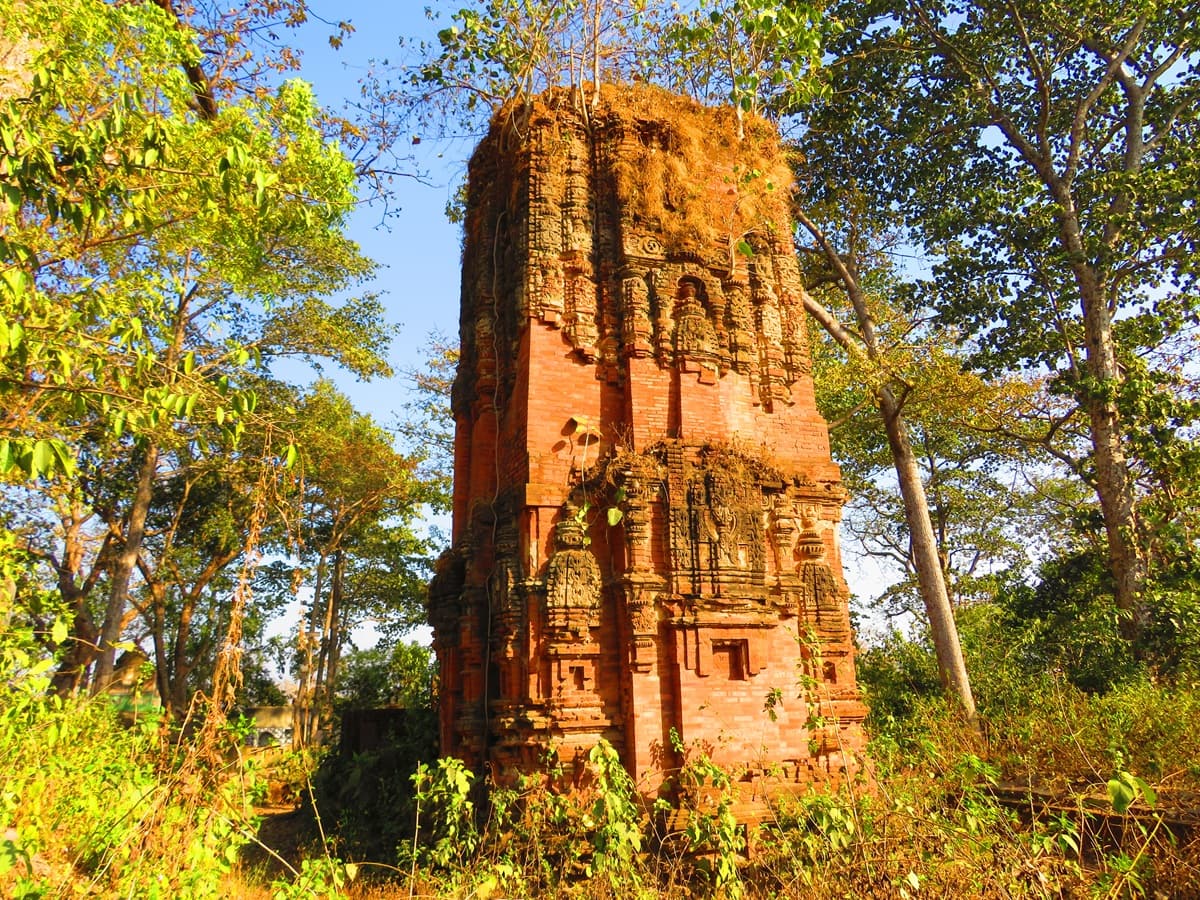 A 11th century temple at Deulghata, in rural Purulia, being gradually swallowed by the forest. (Source: Arjun Kumar)
Traces of lost Jain and Hindu icons can be found in the large volume of rubble scattered around, providing ample evidence that more than two temples once existed here. Indeed, when the site was visited and photographed by explorer David Joseph Beglar in the 1870s, a third temple was present. Sadly, this collapsed in 2002 out of sheer neglect. Some intact idols, such as a Mahisasura Mardini, are installed in a new shrine close by.
Jain Temples and Forgotten Ruins
More temples stand at Pakbirra, 84 kilometres to the east and on the other side of the district. The three stone temples here are examples of Pala architecture from the 9th century CE. Though officially ‘protected’ and ‘restored’, the restoration has rendered their exterior rather plain. An open-air shrine is dedicated to a huge Tirthankara icon, more than seven feet in height and by some distance the largest Jain icon to have been found in Purulia. A small museum at the site holds a wealth of Jain iconography.
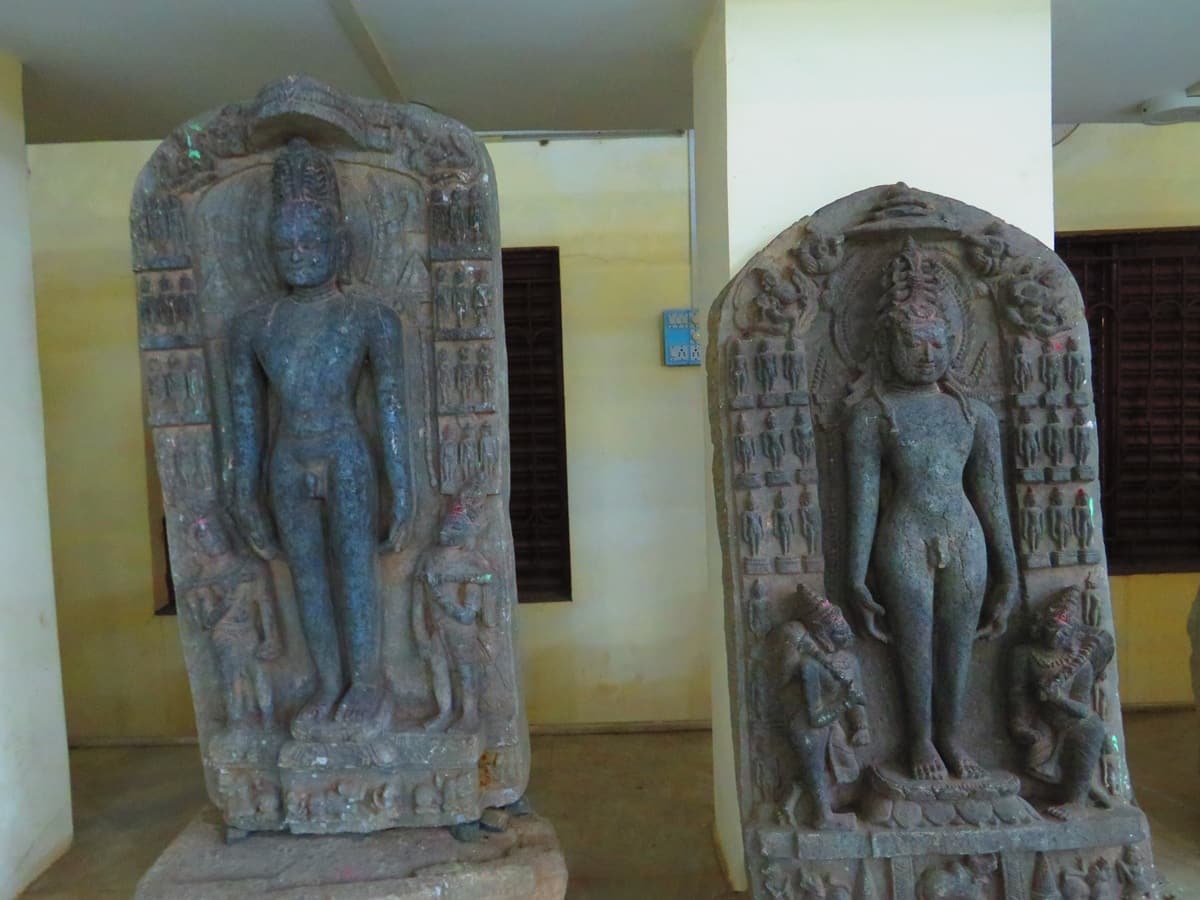 Jain icons at a museum in Pakbirra. (Source: Arjun Kumar)
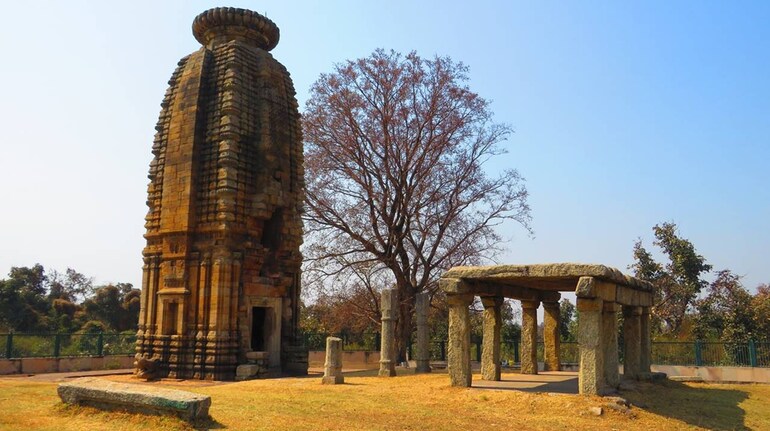
Better preserved is the Banda Deul Jain temple, outside Banda village, 67 kilometres north of Pakbirra. A monument protected by the Archaeological Survey of India (ASI), the lofty shrine has the remains of a mandapa in front. Estimated to have been built between the 11th and 13th centuries, the temple is missing its idol.
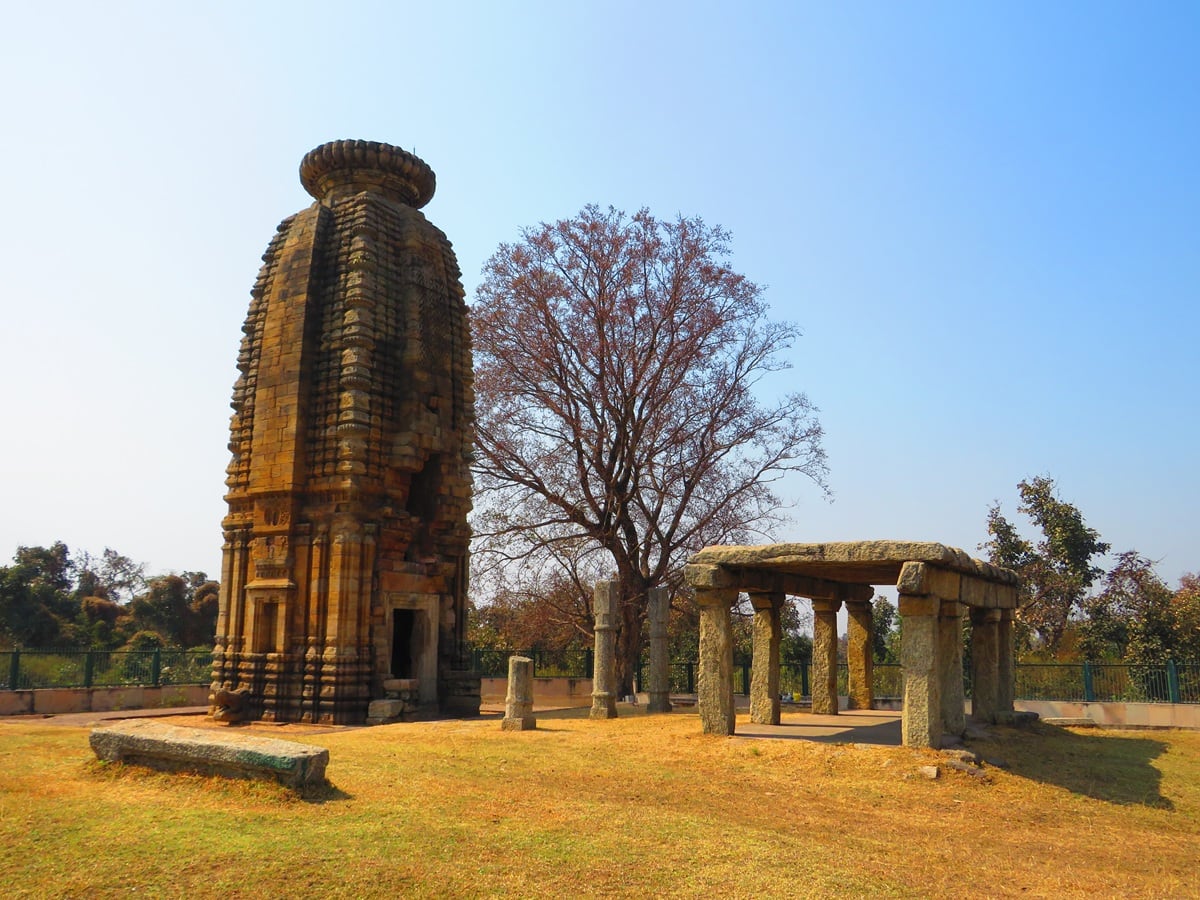 Banda Deul shrine outside Banda village in Purulia, dated to between the 11th and 13th centuries CE. (Source: Arjun Kumar)
This culturally rich region’s first interaction with Jainism came in the 6th century BCE period, when Mahavira himself is said to have passed through. More than millennia later, the region became part of the kingdom of Anantavarman Choda-Ganga-Deva, a Jain ruler.
During this time, an important city was Telkupi, whose temples now lie under the waters of the Panchet Dam, part of the Damodar Project. After the Jain dynasty passed into history, temple building continued, with Hindu shrines slowly outnumbering those of other faiths.
Sacred Shrines and Secrets of Lost Dynasties
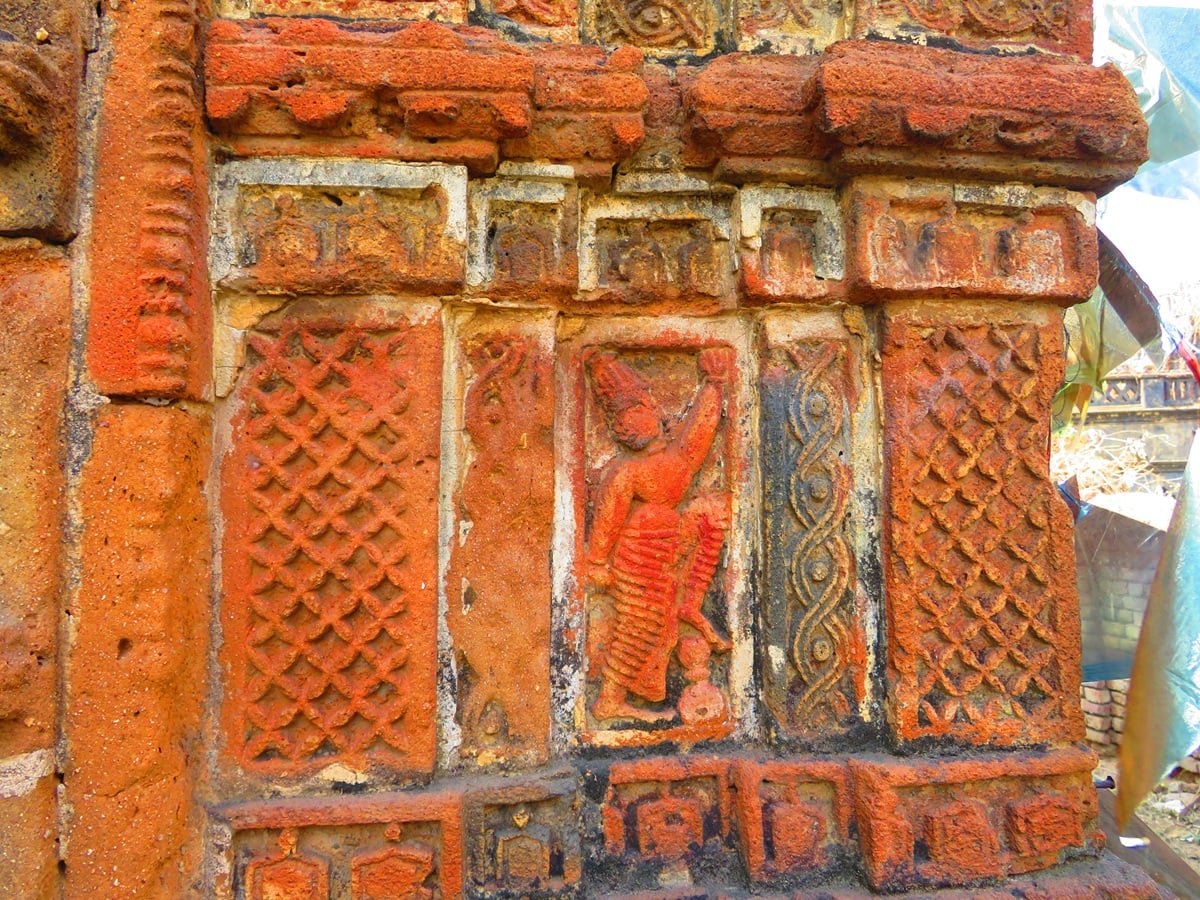 Iconography on the exterior of a shrine at Achkoda, Purulia. (Source: Arjun Kumar)
Shrines like the Radha Gobinda temple at Cheliama, just a kilometre from Banda. The stunning red terracotta exterior of the temple depicts scenes from the Ramayana and Mahabharata and reminds visitors of the ornate shrines of Bishnupur. The Raghunath Temple at Achkoda is equally ornate though not as well preserved.
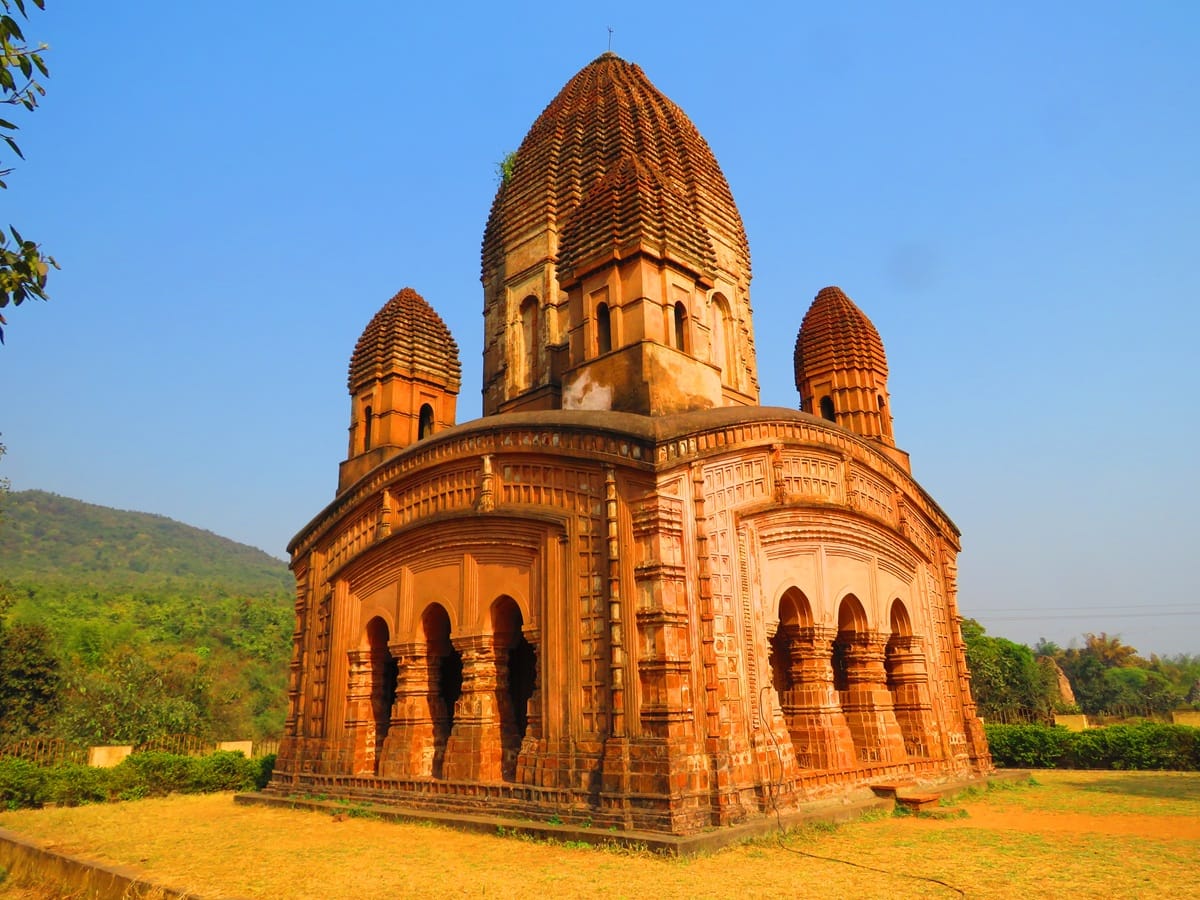 A temple in the typical Bengal style at Garh Panchkot. (Source: Arjun Kumar)
A little over twenty kilometres away lie the elaborate ruins of Garh Panchkot. Literally translating into the ‘Fort of Five Clans’, this was the capital of a Rajput kingdom. Legend has it that a ruler of Dhar, in what is now Madhya Pradesh, was on his way to Puri for pilgrimage. At this spot, his wife gave birth to a son. Thinking the unmoving child as stillborn, the baby was left behind here only to be found by local chieftains as living. That child founded a new dynasty here. As with legends, dates and more specifics are hazy, but the temples and remains of palaces here have been dated to the 15th – 16th century period. Their destruction is attributed to Maratha attacks in the 18th century. What does remain are atmospheric ruins which give glimpses of a glorious past.
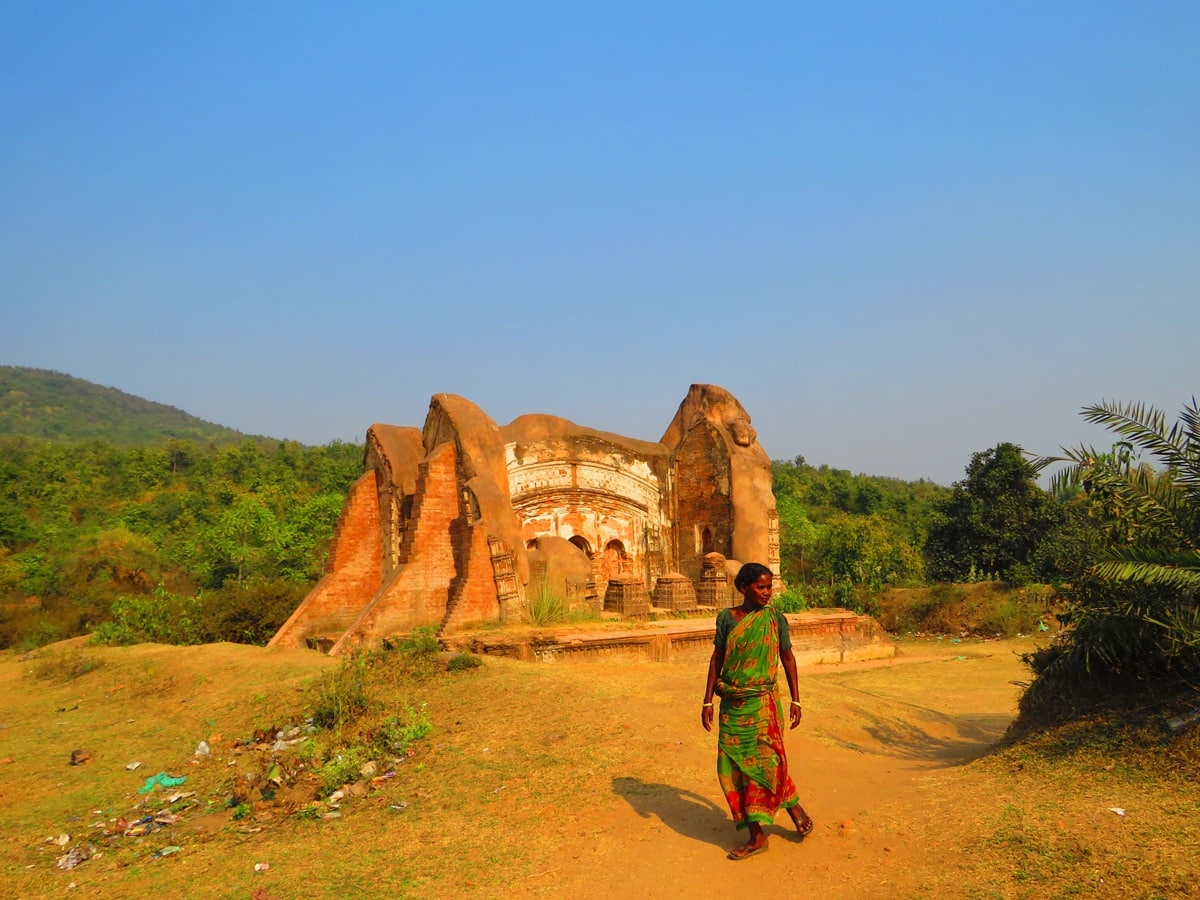 A local walks past a ruined building at Garh Panchkot. (Source: Arjun Kumar)
Purulia's Temples and Artistic Heritage
In this beautiful district filled with forests, hills and water bodies, a favoured trekking spot is the Joy Chandi Hill. Unsurprisingly, there is another temple atop the hill. But the best kept secret of the hill is a ruined Semaphore Tower, part of an elaborate communication system built by the British in Eastern India in the early 19th century. The idea was to visually communicate warnings of an impending attack. Technological changes soon rendered the system obsolete, and the towers were abandoned.
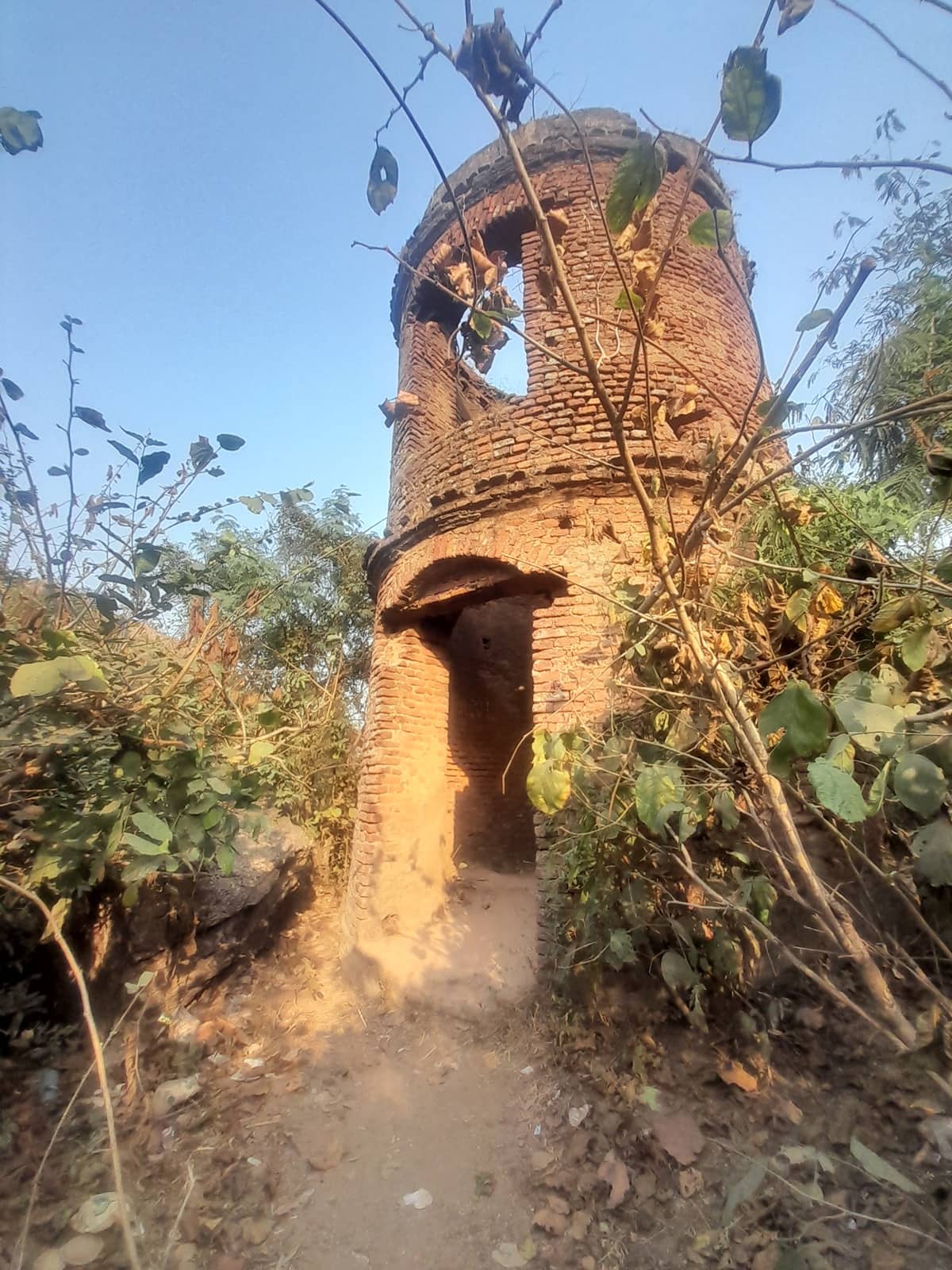 A ruined Semaphore Tower on Joy Chandi Hill. (Source: Arjun Kumar)
As one exits Purulia into Jharkhand, one of the last villages is Charida. The village’s artisans have a tradition of creating Chhau Masks, putting Charida on the handicraft map of the country. To a visitor who has already taken in the magic of the district’s temples, the masks are a symbol of the larger cover worn by Purulia to obscure its real historical face.
(Arjun Kumar is a heritage explorer by inclination with a penchant for seeking obscure sites. A brand consultant by profession, he tweets @HiddenHeritage.)
Views are personal, and do not represent the stance of this publication.
Discover the latest Business News, Sensex, and Nifty updates. Obtain Personal Finance insights, tax queries, and expert opinions on Moneycontrol or download the Moneycontrol App to stay updated!
Find the best of Al News in one place, specially curated for you every weekend.
Stay on top of the latest tech trends and biggest startup news.




