






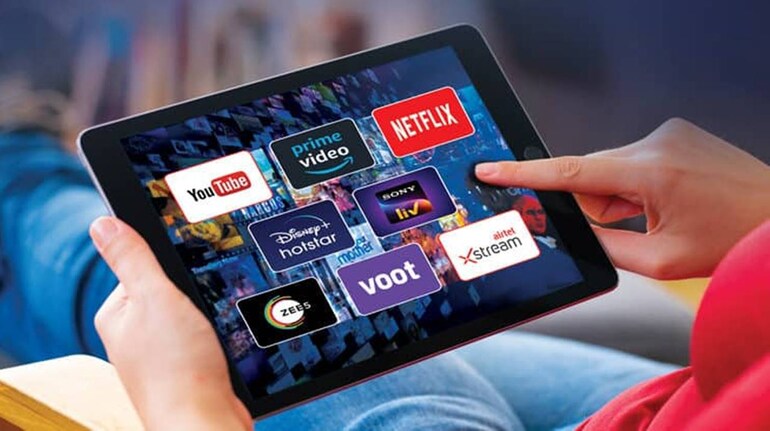
This is the era of subscriptions. Not the exciting, futuristic kind we were sold, but the slow-boil version where everything costs a little, all the time, and cancelling anything feels like removing a structural pillar.
It always starts innocently. One streaming app. Maybe two. You tell yourself you’re being reasonable. Then football season starts.
If you want European football or the FA Cup, congratulations, you are now a Sony LIV subscriber. There is no emotional attachment here. No brand loyalty. It’s purely transactional. You subscribe, you watch the match, you forget the app exists until your bank reminds you next month or year, depending on your choice.
Sport, streaming and the art of subscribing reluctantly
Cricket, I am told, is worse. Some series are on one platform, some quietly migrate to another, and occasionally a tournament pops up on an app you didn’t even know you had installed. You don’t subscribe because you like the service. You subscribe because the match is tonight and you don’t want to watch illegal streams that look like they were filmed through a potato.
Tennis, meanwhile, is a masterclass in fragmentation. Want to watch the US Open? One app. Wimbledon? Entirely another. There is no bundle. There is only acceptance.
Then comes the prestige show problem. There will always be one series — it was the excellent House of Cards many years ago on Netflix for me. Just one, I thought. Everyone’s talking about it. The reviews are excellent — and to be fair House of Cards lived up to the hype and promise, except the Kevin Spacey-less last season.
But yeah, that’s what happens. The trailer looks promising. So, you subscribe. Not because you want the platform, but because you want that one show. You finish it in two weeks. The remaining catalogue is either aggressively mediocre or simply not your taste. But you keep the subscription around “just in case”. Six months later, you realise you’ve paid more for hope than for content.
This is how the stack builds.
Netflix stays because it’s the one app that just works. Prime Video stays because even if you don’t like the content, who doesn’t like free shipping. Sony LIV stays because football. Something else stays because cricket. Another because tennis. None of them feel optional anymore. They feel like sports channels used to, just with worse organisation and better marketing.
On a related note: I subscribed to an app called FanCode to watch Manchester United play in the Carabao Cup. The deal was reasonable for a year and the optimist in me thought: “It’s Grimsby Town, the subscription will be worth at least three games”. Nope. United lost that night and I am saddled with FanCode and let’s just say I am not a fan of the app neither do I like their code!
Music, files and the quiet monthly fees you never cancel
Let’s get to music. Apple Music if you’re in the ecosystem. Spotify if you’re not. YouTube Music if you want fewer ads and background playback. Pick one, but know that whichever you choose, someone will swear the other is better.
Then there’s the invisible subscription: cloud storage.
If you’re on a Mac, you’re paying for iCloud. Photos, backups, device sync. You start with the free tier. You outgrow it in six months. If you’re on Windows, hello OneDrive. If you use Word, Excel, or PowerPoint, you’re paying for Microsoft 365, whether you like it or not, because “perpetual licences” are now a fond memory from a different era.
Google, meanwhile, plays a quieter, more effective game. You are gently reminded that 15GB is generous, until you attach a few PDFs, back up a phone that shoots 4K by default, and receive one over-enthusiastic family WhatsApp export by email. Gmail fills up. Photos stop syncing. Drive throws warnings. Nothing breaks outright, but everything nudges you towards Google One. Not because you want more storage, but because modern life simply doesn’t fit into 15GB anymore. In an age where everyone carries a high-end camera in their pocket and emails resemble small filing cabinets, the free tier isn’t a safety net. It’s a teaser.
Documents live in the cloud. Photos live in the cloud. Your digital life lives on servers you don’t own, and your only job is to make sure the payment doesn’t fail.
By the time you add it all up, the numbers stop being funny. Roughly Rs 28,000 a year on streaming, music, and internet. About Rs 2,400 a month. That’s before AI subscriptions, before storage upgrades, before professional tools. Add those, and Rs 50,000 a year starts sounding less like exaggeration and more like the default configuration for being online in 2026.
What’s rather peculiar — for at least the millennials — is how normal this feels now. We don’t ask whether it’s worth it. We just ask which app has what. Content has become a scavenger hunt. Sports rights move like musical chairs. Shows rotate. Features vanish. Prices creep up quietly.
And through it all, we nod along, because opting out isn’t really an option anymore.
So yes, when someone jokes about “going back to downloading stuff”, it’s not nostalgia. It’s math. It’s the moment you realise you’re paying rent on entertainment you don’t own, software you can’t keep, and storage you can’t escape.
The subscription era has moved past persuasion. The direct debit is enough.


Discover the latest Business News, Sensex, and Nifty updates. Obtain Personal Finance insights, tax queries, and expert opinions on Moneycontrol or download the Moneycontrol App to stay updated!
Find the best of Al News in one place, specially curated for you every weekend.
Stay on top of the latest tech trends and biggest startup news.






