As China grapples with a sudden surge in COVID cases, anti-COVID generic drugs from India–particularly the generic version of Pfizer’s anti-COVID oral drug Paxlovid, have become best-sellers in China and need to be booked weeks in advance. Chinese reports highlight that “anti-COVID Indian generic drugs sold at RMB 1000 box” has appeared on Weibo’s hot search list in the last few days. Various e-commerce platforms and individual stores in China have started pre-sale mode due to the lack of stock of the Indian generics. These generic drugs are currently difficult to buy off the shelf in China, while direct mail from India takes about 15-20 days and is restricted to only two boxes per person. Even as certain online e-commerce platforms, while reacting to the heavy demand, have blocked Indian generic-related keywords, however, the drugs are selling like hotcakes in China’s black markets and social circles.
At present, there are only two dedicated anti-COVID drugs approved in China, namely Pfizer’s Paxlovid and domestically developed Real Bio’s Azvudine. However, Azvudine is facing some problems in the domestic market as Real Bio has not disclosed certain information about the drug after Azvudine was conditionally approved for listing. On the other hand, Pfizer’s Paxlovid, which is reducing the severe disease rate and death rate by 82.5 percent, particularly in the elderly population, is in short supply in the Chinese market. At present, Pfizer’s Paxlovid is only sold in certain hospitals in China, and the supply is highly insufficient.
On March 9, Sinopharm obtained the distribution rights of Paxlovid in mainland China. On March 17, the first batch of drugs entered China’s customs. There were only 21,200 boxes in total, and they were distributed in eight provinces where the outbreak occurred during those months, including Jilin, Shanghai, and Guangdong. In mid-April, when the epidemic surged in Shanghai, Shanghai Pharmaceutical Group imported another 20,000 boxes. On December 13, the Chinese government announced that Pfizer’s anti-COVID oral drugs, could be sold online in China. But suddenly within a few hours, Paxlovid became unavailable online. Media reports highlighted that there is no other way to access the drug other than approaching certain hospitals.
Now since Paxlovid needs to be used early in the course of the disease to reduce the risk of severe infection, many Chinese netizens worry that if they do not reserve the medicine well in advance, it will be too late to wait for the elderly to get sick and then again wait in long queues to be sent to the hospital, so as to receive the required medicines–which will anyway be a futile exercise in terms of saving lives.
On the other hand, the prices of these branded drugs are too high for ordinary Chinese buyers. The online sales price of the drug in China is RMB 2,980/box, and the medical insurance purchase price is RMB 2,300/box. In Australia, the price is 1,159 Australian dollars per box (5,473 RMB); In the United States, it is about US$529 per box (about 3,688 RMB); In most European countries, the price is 600-700 US dollars per box (about 4,183-4,880 RMB); In Taiwan and Hong Kong, the price is US$700 per box (about 4,880 RMB); Similarly, Molnupiravir which has submitted an application for marketing in China, is expected to be priced at around RMB 4,722/box. However, most Chinese families are unable to pay such an exorbitant amount.
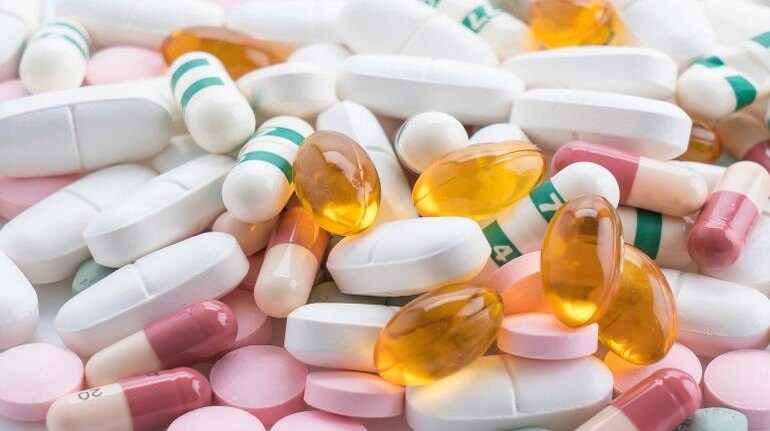
In comparison, the price of a single box of Indian generics for the above-mentioned drugs is much cheaper (ranging from RMB 1,000 to RMB 1,600), and can be easily purchased without a prescription. No wonder Indian anti-COVID generic drugs have emerged as obvious choices for most Chinese families. Presently there are four kinds of anti-COVID Indian generic drugs sold in the Chinese market, namely Primovir, Paxista, Molnunat, and Molnatris. Among them, the first two are generic drugs of Pfizer’s Paxlovid (Naimatewei tablets/ritonavir tablets). Primovir is produced by an Indian company Astrica, and Paxista is produced by Azista, a subsidiary of Indian pharmaceutical company, Hetero. The latter two are generics for Merck’s Molnupiravir.
However, the Chinese government does not recognise Indian anti-COVID drugs, the sale of Indian generic is still considered illegal in China and is a punishable offence. Chinese doctors can also be seen advising against buying medicines through informal channels and also highlighting the risks involved. However, despite all the warnings and crackdowns, Chinese media reports highlight, that since April this year, the Indian generic version has become hugely popular among customers in mainland China, Hong Kong, Macao, and Taiwan. Orders surged after the sudden withdrawal of the zero-COVID policy in November, and more than 50,000 boxes have been sold in less than a month.
Indian generics is a hotly discussed topic on the Chinese internet. The issue of Indian generics was first brought to the spotlight two years back in China by a popular movie called “I am not the God of Medicine”, which showcased the struggle of cancer patients in China to get access to affordable life-saving anti-cancer drugs. The plot revolves around the drug Gleevec, which is used for treating Chronic myelogenous Leukaemia patients. The branded version of the medicine costs something around RMB 23,500 to 40,000/box in China. This needs to be consumed by the patients every month for the rest of their lives, making it somewhat unaffordable for most people in China. While the Indian generic for the same costs RMB 200 a box and hence this huge demand for this particular drug in China. Not just life-saving drugs, there are various personal testimonies on the Chinese internet highlighting how a box of 10 tablets for Gout costs RMB 140, which needs to be taken all year round. While the Indian version of 100 tablets costs only RMB 200 a box and is hence preferred by commoners.
Many Chinese commentators grudgingly question why is it that an otherwise “dirty”, “poor”, and “laggard” India is able to do something that China with all its prowess cannot do – that is save the lives of its poor. Others meanwhile outrightly dismiss Indian generics as illegal, counterfeit, ineffective with great safety hazards, while also carrying the risk of drug resistance. However, despite all the negative publicity, there seem to be a underlying consensus among the Chinese commentators that for those “dying to live” in China and across the world, India still remains a ray of hope, with its life-saving “ miracle medicine”.
(This article first appeared in the ORF.)Antara Ghosal Singh is a Fellow at the Strategic Studies Programme at Observer Research Foundation, New Delhi. Views are personal, and do not represent the stand of this publication.Discover the latest Business News, Sensex, and Nifty updates. Obtain Personal Finance insights, tax queries, and expert opinions on Moneycontrol or download the Moneycontrol App to stay updated!
Find the best of Al News in one place, specially curated for you every weekend.
Stay on top of the latest tech trends and biggest startup news.