




Raju Kumar
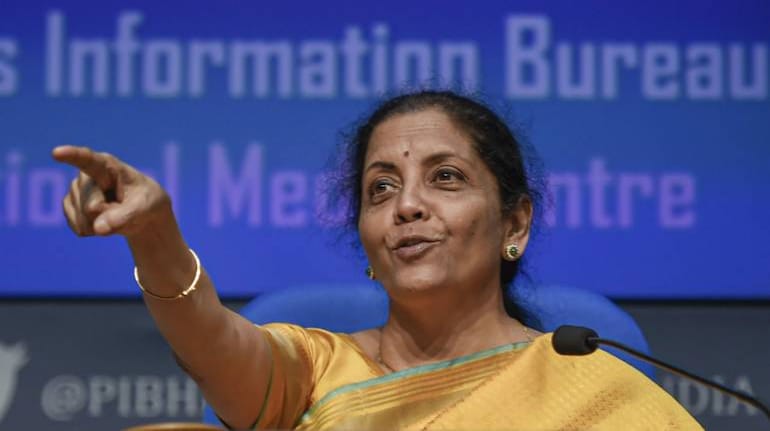
The budget was presented by Finance Minister Nirmala Sitharaman in the backdrop of a slowing economy and consequent expectations for measures to tackle the slowdown and provide an impetus for growth. A tax largesse was not expected, particularly in this budget, in view of the recent announcements of a concessional tax regime (tax rate of as low as 15 per cent).
If the concessional tax regime drew the attention of many, the budget has added more reasons by way of tax measures. The main one, which has been debated, is the shifting back to the classical taxation regime on dividend payouts. The abolition of the dividend distribution tax (DDT) will not only reduce the overall tax burden on the distributing company but also enable foreign investors in home countries to claim credit for taxes withheld in India, thus removing a cascading effect. This will not only place India on a level playing field with other countries who follow the classical dividend tax mechanism, but also improve India’s competitive position in attracting investments.
Incentivising the infrastructure sector continues to be a key focus for the government with the announcement of tax exemption on long-term capital gains, dividend or interest earned by sovereign wealth funds, and also extending the reduced tax withholding rate on foreign infrastructure bonds under Section 194LC and 194LD of the Income Tax Act. While a concessional tax regime may affect collections, it is expected to boost infrastructure investments which can catalyse both employment and growth. The electricity sector has also got support in the form of becoming eligible for the reduced corporate tax rate of 15 per cent earlier applicable only for the manufacturing sector.
The government has further extended tax incentives and exemptions by increasing the period in which an eligible start-up can claim a tax holiday of three years from seven years to 10 years. The turnover criteria for claiming this tax holiday has also been increased from Rs 25 crore to Rs 100 crore. These changes are expected to provide significant support to the start-up ecosystem and motivate new-gen entrepreneurs.
Simplification and rationalisation of the tax framework has always been a priority for the government. With an early experience from faceless tax assessments, the government has further considered bold initiatives toward optimising the pendency in litigations. It has announced a similar e-appeals forum and Vivad se Vishwas Scheme (From dispute to trust scheme) to offer a one-time window for taxpayers to pay only disputed amounts up to March 31 (with certain additional amount upto June 30). This is similar to the Sabka Vishwas Scheme for indirect tax disputes.
Another action that is expected to bring certainty and reduce litigation is the introduction of the profit attribution mechanism for permanent establishment of foreign companies under Safe Harbour Rules and Advance Pricing Arrangements. These efforts should certainly contribute toward bringing transparency and gaining trust of investors.
In sum, the government has reinforced its vision of containing the economic slowdown and reiterated its commitment to provide ease of doing business for investors. To get the economy back on track, efforts were needed on all fronts and the government has attempted to do this through a collective vision.
Raju Kumar is Tax Partner, EY. Views are personal.

Discover the latest Business News, Sensex, and Nifty updates. Obtain Personal Finance insights, tax queries, and expert opinions on Moneycontrol or download the Moneycontrol App to stay updated!
Find the best of Al News in one place, specially curated for you every weekend.
Stay on top of the latest tech trends and biggest startup news.