







The ongoing war in Iran is creating major financial and logistical disruptions for the global aviation industry, with more than 23,000 flights to and from Middle East hubs cancelled since the conflict began on February 28
Quoting aviation data, a report by News18 said that over half of the roughly 36,000 flights scheduled for the region during this period have been called off. This affected nearly 4.4 million passenger seats and severely disrupted one of the world’s busiest aviation corridors.
The cancellations have been driven by airspace closures, missile strikes near Gulf airports, and safety concerns, forcing airlines across the Middle East, Europe, Asia and the United States to suspend or reroute services. Major carriers such as Emirates, Qatar Airways and Etihad have halted or drastically reduced operations, leaving thousands of passengers stranded and causing significant financial losses for airlines.
Several airlines have begun adjusting their schedules as the conflict in West Asia disrupts aviation across the region.
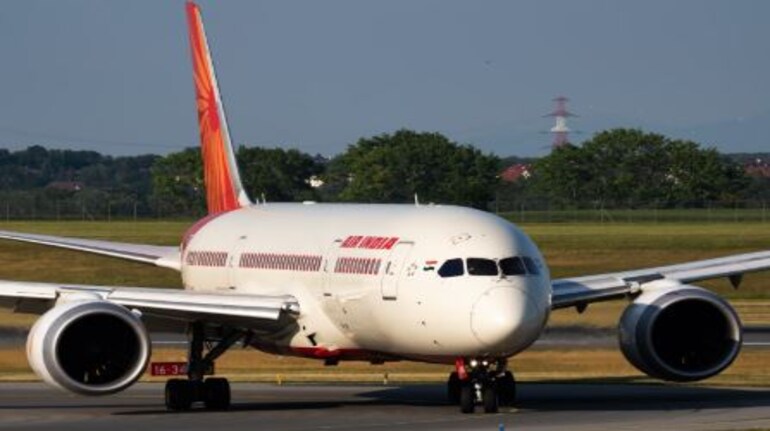
According to News18, Air India said it will add extra flights to meet rising passenger demand. Between March 5 and 11, the airline will operate three additional services between Delhi and Toronto. From March 7 to 10, it will also add three extra flights between Delhi and Frankfurt and one additional Delhi–Paris service.
The airline said it is also evaluating the possibility of adding more services beyond March 11.
Meanwhile, Emirates — the world’s largest international airline — has extended the suspension of flights to and from Dubai until March 7. The carrier has cancelled more than 2,000 flights since Saturday, marking one of the most significant disruptions in its history.
Qatar Airways has also extended its flight suspensions into Friday. The United Arab Emirates government said it is establishing secure air corridors capable of handling up to 48 flights per hour to help manage the disruption.
Oman Air announced the cancellation of flights to and from Amman, Dubai, Bahrain, Doha, Dammam, Kuwait, Copenhagen, Baghdad and Khasab until March 6. The airline has advised passengers travelling to Muscat to reach the airport at least 12 hours before departure due to expected congestion.
In Europe, airlines under the Lufthansa Group have suspended flights to Tel Aviv, Beirut, Amman, Erbil and Tehran until March 8. The group has also decided to avoid flying over the airspace of Israel, Lebanon, Jordan, Iraq, Qatar, Kuwait, Bahrain, Dammam and Iran until that date.
Flights to and from Dubai and Abu Dhabi remain suspended until March 6, with UAE airspace also closed to commercial traffic during the period.
The News18 report stated that all Lufthansa Group airlines have suspended flights to Tel Aviv, Beirut, Amman, Jordan, Erbil, Iraq, and Tehran until March 8. The group will also avoid flying over the airspace of Israel, Lebanon, Jordan, Iraq, Qatar, Kuwait, Bahrain, Dammam (Saudi Arabia), and Iran until the same date.
Flights to and from Dubai and Abu Dhabi are suspended until March 6, with the UAE airspace also off-limits during that period, according to News18.
Discover the latest Business News, Sensex, and Nifty updates. Obtain Personal Finance insights, tax queries, and expert opinions on Moneycontrol or download the Moneycontrol App to stay updated!
Find the best of Al News in one place, specially curated for you every weekend.
Stay on top of the latest tech trends and biggest startup news.





