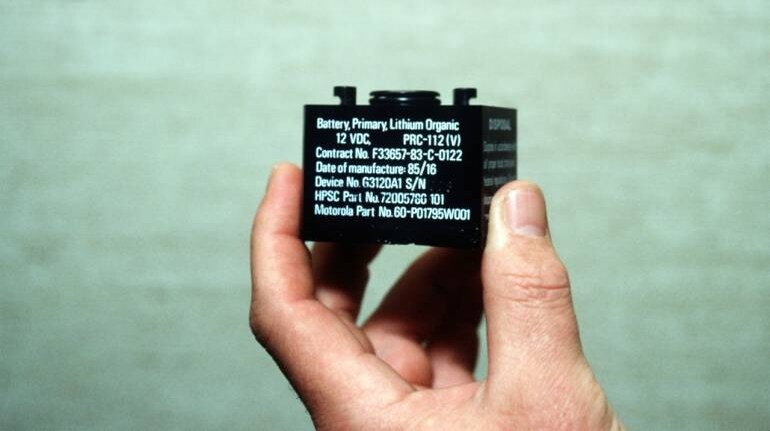
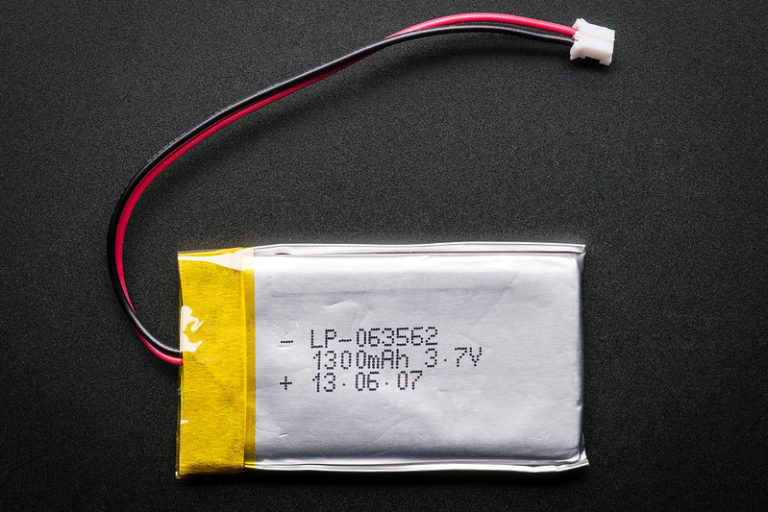
 Early estimates indicate that the amount of lithium in Reasi could be to the amount of 5.9 million tonnes. As indicated in the 1999 report of the GSI, though, the lithium in the Reasi district is mixed with bauxite. The final deposit amount could be less than predicted at the G3 level. The lithium found in Reasi had more than 800 ppm (parts per million) quality, which hints at a higher level of enrichment. Any lithium mineral with more than 300 ppm quality is considered of good enrichment value, said Srivastava. Why the progress of exploring such a crucial material, has been slow after 1999, is not clear. The emails sent by Mongabay-India to the GSI headquarters in New Delhi, its Public Relations officer in Kolkata and the department of mines in the Jammu and Kashmir government didn’t receive a response at the time of publishing. India also had another claim of lithium deposits, in 2021, when the India’s Atomic Minerals Directorate for Exploration and Research (AMDER) claimed to find 1,600 tonnes of the metal in the Marlagalla area in the Mandya district of Karnataka. Lithium reconnaissance resource (found after G4 level of reconnaissance) are also explored along the Saraswati River in the Jodhpur and Barmer districts of Rajasthan in the brines. Lithium is traced and extracted from rocks, clays, sediments and the salty water (brine) on the surface of underground water bodies. The journey of lithium from mine to battery Deepak Krishnan, Associate Director, Energy Programme at the World Resources Institute (WRI)-India, told Mongabay-India that the recent GSI discovery has a long journey before it becomes commercially viable to mine lithium from the region and makes it to the production of lithium-ion batteries. “We have to wait to see how much of this resource is feasible and viable to be commercially extracted. The GSI’s further study will reveal the quantum of the total reserve. Mining alone would not entail an end to external dependence. Countries like China have developed additional infrastructure and technological expertise, and experience in processing and refining mined lithium to make it ready to be used in batteries. We don’t have anything on that front and would need energy, capital and the government’s hand-holding support for the same,” Krishnan said.
 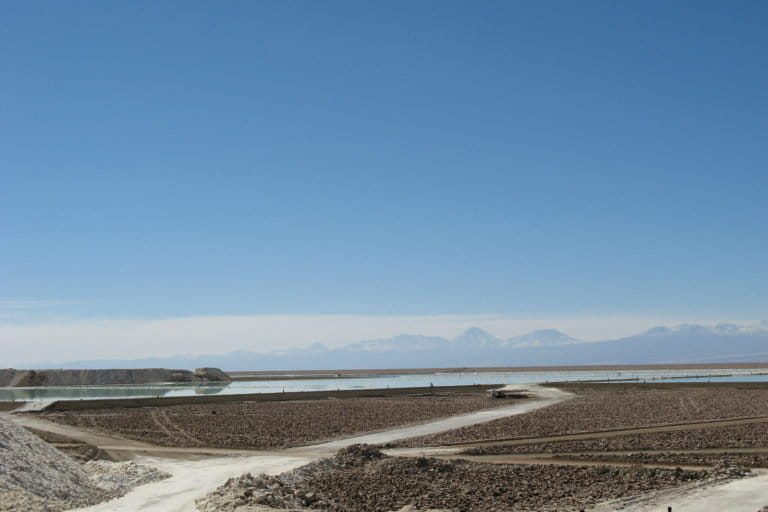 Lithium is known for effectively converting chemical energy into electrical energy due to its high durability, lightweight, and endurance. Sagar Mitra, Professor, Department of Energy Science and Engineering at the Indian Institute of Technology (IIT)-Bombay, told Mongabay-India that, unlike Chile, where there are lithium deposits, the Reasi region in J&K had lithium mixed with other minerals into the rocks. It can lead to more challenges in terms of cost and technology of processing. “India is not habituated to extracting lithium and purifying it. It is mixed with rocks and other minerals. It would require breaking the rocks and removing volatile chemicals with evaporation and magnetic impurities with magnets besides other chemicals and processing. India has never done this, and neither has the best experience, tested technology to rely on, nor established industries for this,” he said. He also added that such a complex exercise could also prove costly. “However, Australia has similar lithium reserves like J&K reserve, where lithium is mixed with bauxite. We may need technology transfers and tie ups with the lithium metal extraction industry outside,” he said, adding that India must expedite the whole process, keeping in mind the rising demand for batteries and EVs. Surendra Chaku, a retired geologist based in Australia, has worked in India, too, in explorations. He claimed that the reported occurrence by GSI is a very preliminary evaluation of the area, and one should wait for a final proven estimate before jumping to a conclusion. “No resource has been defined yet, and many have hyped this. It has happened so many times before. It appears that this project may never make the grade to be mined. So, the question of mining in this pristine Himalayan area remains only speculation,” he said. Deposits in the Himalayan region According to the seismic zonation map of India, the whole of Jammu and Kashmir, which lies close to the Himalayas, comes under Zone IV and is also ecologically sensitive. Several international reports in countries where lithium mining takes place have talked about the impact of environmental degradation in such areas. The metal is generally extracted from the brines by direct extraction technology, evaporating the brine, or by surface mining of clay and rocks.
  An August 2022 report published in Nature Conservancy claimed that the proven technologies of lithium extraction through surface mining or brine evaporation would need hundreds of acres of land for extraction and could lead to the complete removal of native vegetation of the area. It also said that such projects are most likely to happen in rural areas and wild zones, affecting the local population and batting for sustainable mining methods for the metal. The Reasi district in J&K, where the lithium deposits have been discovered, has rural households, vegetation and the Chenab river and tributaries near its hills.
 Discover the latest Business News, Sensex, and Nifty updates. Obtain Personal Finance insights, tax queries, and expert opinions on Moneycontrol or download the Moneycontrol App to stay updated!
Find the best of Al News in one place, specially curated for you every weekend.
Stay on top of the latest tech trends and biggest startup news.