India and Japan on Friday unveiled a sweeping Action Plan on Human Resource Exchange, pledging to facilitate the movement of 500,000 people between the two countries over the next five years. Of these, 50,000 skilled and semi-skilled Indian workers will find opportunities in Japan’s workforce, the Ministry of External Affairs (MEA) confirmed.
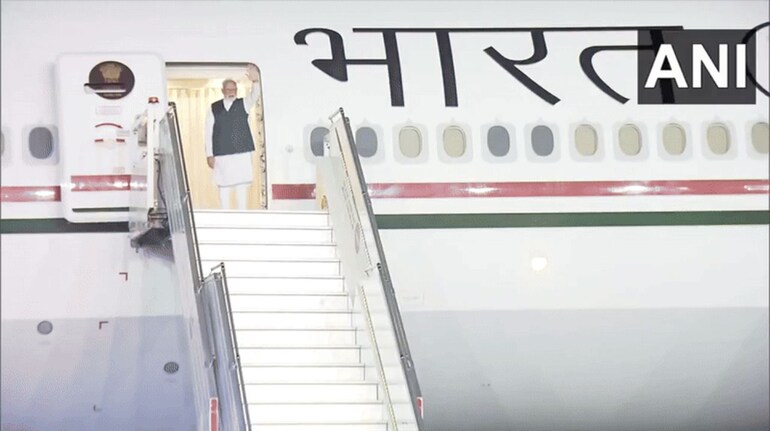
The deal was one of the standout outcomes of Prime Minister Narendra Modi’s Japan visit, where he met counterpart Shigeru Ishiba during the 15th India–Japan Annual Summit 2025.
Addressing Japan’s labour shortage
Foreign Secretary Vikram Misri explained that the agreement was shaped by a “natural complementarity” between the two economies.
“Japan has a dynamic economy, but faces labour shortages in certain sectors. India has a large pool of skilled and semi-skilled personnel who can fill that need,” Misri said at a press briefing.
He added that the agreement would not only ease workforce gaps but also create space for joint research, commercialisation and value creation in both countries.
Beyond jobs: building people-to-people ties
The plan isn’t limited to labour. It also focuses on cultural, educational and grassroots exchanges, including promotion of Japanese language education in India.
The MEA described these measures as an “investment for the future,” aimed at fostering a deeper understanding between citizens of both countries.
Leaders hail a new chapter
At the joint press briefing, Prime Minister Modi underlined the importance of the plan.
“Under the action plan of human resource exchange, in the next five years, exchange of five lakh people in different sectors will be conducted,” he said.
The leaders also highlighted how people-to-people exchanges can become a pillar of the special strategic and global partnership between New Delhi and Tokyo.
The bigger picture
The human resource pact complements the wider set of agreements announced in Tokyo, spanning space, defence, critical minerals, AI and clean energy. Together, these moves signal a shift in how India and Japan are not just building state-to-state ties, but also knitting their societies closer.
As Modi wraps up his Japan visit and heads to China for the SCO Summit in Tianjin, the India–Japan action plan offers a reminder: economic diplomacy is no longer just about capital flows, but also about talent flows.
Discover the latest Business News, Sensex, and Nifty updates. Obtain Personal Finance insights, tax queries, and expert opinions on Moneycontrol or download the Moneycontrol App to stay updated!
Find the best of Al News in one place, specially curated for you every weekend.
Stay on top of the latest tech trends and biggest startup news.