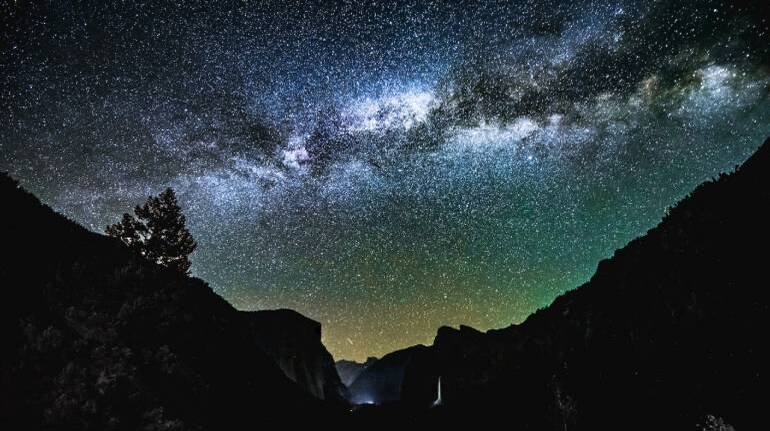
On clear, dark nights in the winter months, Maja Hansen sits in her garden and gazes at the sky above. In contrast to her summer days in Oslo, where all one can see is the glare of artificial lights, she usually sees a celestial ballet of light - with a colour palette of green, blue, and sometimes even pink and violet - dancing across the night sky.
Hansen lives in Tromso, one of the best places in the world to see the northern lights. She works as a tourist guide from September to March here, helping tourists from across the world discover, what she calls, “the magic of the aurora borealis”. “This is what my ancestors would have looked at too. These dark skies are a portal to that heritage,” says Hansen.
Although the landscape around her home in Tromso is undergoing change, with new hotels, apartment complexes and developments springing up, she hopes its night skies will remain protected for generations to come. But it is becoming increasingly difficult to keep it that way.
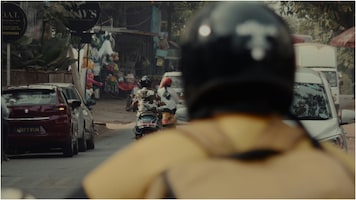
Globally, light pollution has increased by at least 49 percent over 25 years. As per the State of the Science 2022 report, skyglow (excessive, artificial light directed upwards into the sky) fouls the night sky for more than 80 percent of all people. And it is rising. Both the amount of artificial light seen on Earth at night and the land area that light covers grow by about 2 percent each year on average. There are only a few countries in which they seem to be either stable or decreasing.
Exposure to this light impacts all living organisms. It can run interferences with their biology and change how they interact with the environment. It can harm ecosystems, and make plants and animals less resilient in the face of environmental change. “Nocturnal species are especially impacted since it has an effect on the intensity, timing and colour characteristics of natural light on which they depend. Many migratory bird species also depend on light cues for navigation and artificial lights interfere with this behaviour,” says Vijaya Singh, an independent biologist.
Human health is affected too. Exposure to light at inappropriate times during the 24-hour day creates disruptions in chemical signals in the body and shifts in sleep/wake cycles set by natural light sources.
“Short wavelength light, or blue light (from the sun and emitted by electronics and energy-efficient lightbulbs), is a major cause for this. While exposure to blue light during the day is important for healthy circadian functioning, it can disrupt the human circadian rhythm at night. This can affect everything, from the timing of hormones released in the body to the duration and quality of our sleep,” says Dr Ajay Kamath, a Mumbai-based general practitioner. Studies show that these effects may contribute to the incidence of certain chronic diseases in some people.
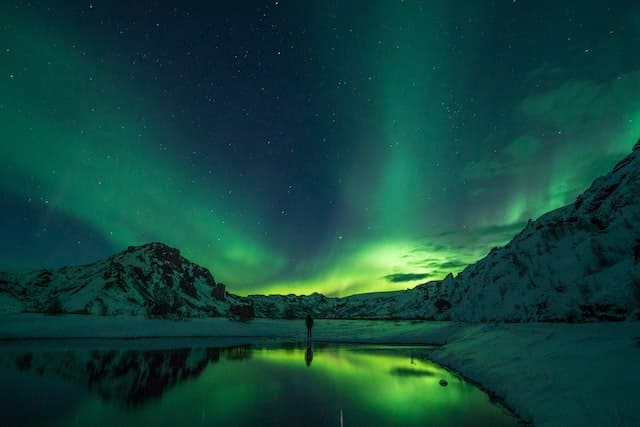 Northern Lights in Iceland. (Photo: Jonatan Pie via Unsplash)Going global
It has prompted a global race to reclaim the night skies, with the International Dark-Sky Association (IDSA) leading the way. Founded in Arizona in 1988, the IDSA was set up by two astronomers who wanted to protect night environments from sky glow. It is today the largest recognised authority in the dark sky movement.
Since recognising Flagstaff in Arizona as the very first International Dark Sky Place (IDSP) in 2001, it has supported applications in 49 countries - from Japan to Hungary. As of January 2022, there are 195 certified IDSPs in the world, protecting over 110,000sq km of dark places around the globe. This includes dark sky reserves, communities, islands and sanctuaries.
Recognition from the IDSA is used by communities for further conservation, tourism, education or marketing campaigns. And as the benefits of dark skies become mainstream, many places are setting up dark sky reserves to protect their night sky heritage.
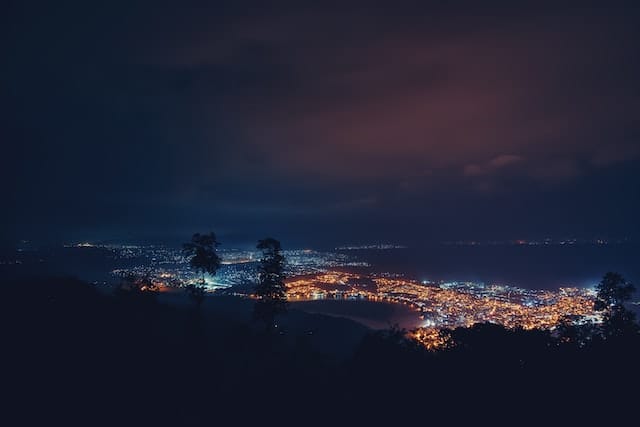 Light pollution has grown 49% in the last 25 years. (Image: Shubham Rawat via Unsplash)Local connection
India is the latest to sign up. Just this year, our country announced its intention to set up its first dark sky reserve in the cold desert region of Ladakh. The Hanle Dark Sky Reserve will come up within the Changthang Wildlife Sanctuary, with the primary goal to promote astronomy tourism in a sustainable and environment-friendly manner. Scientific methods will be used to preserve the night sky from light pollution.
But for dark sky tourism to thrive, its benefits need to be highlighted. Only then will local communities protect them and travellers visit places with the sole intention of just gazing at an unspoiled sky. “Because failure to protect these dark yet illuminated skies means losing the opportunity to connect with our ancestors and heritage, and look up in wonder at ourselves,” says Hansen.
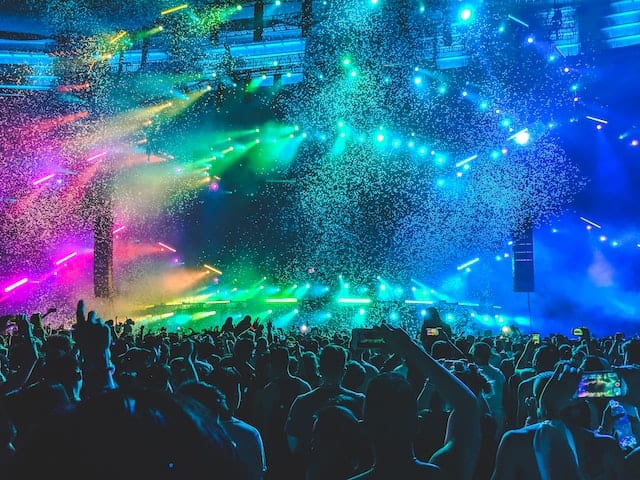 Sky glow is excessive light trained towards the sky. (Image: Aditya Chinchure via Unsplash)Lights out
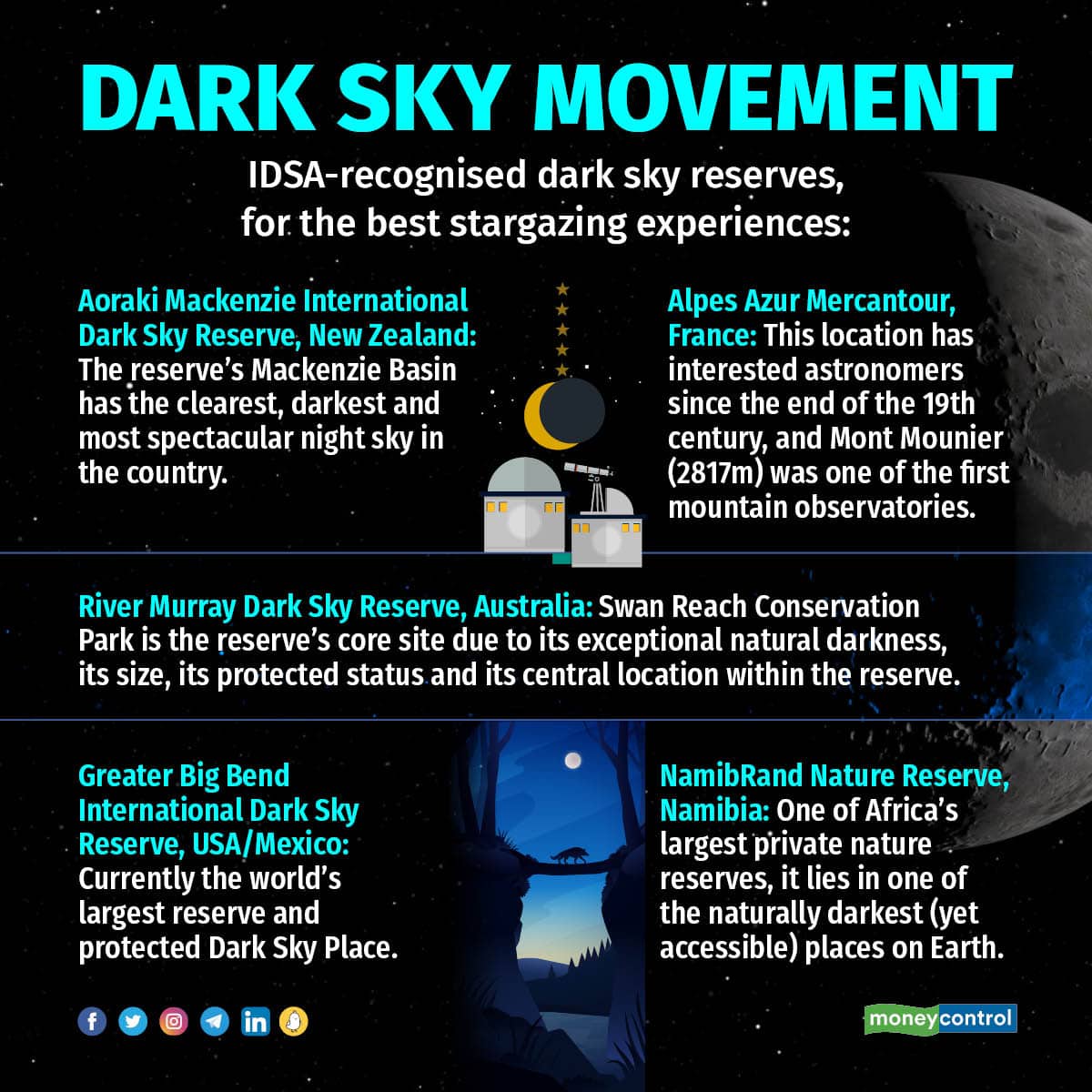
IDSA-recognised dark sky reserves you must visit, and what makes them so special:
The Aoraki Mackenzie International Dark Sky Reserve, New Zealand: Natural night has played a critical role in the areaʼs history as its first residents, the Māori, used it to navigate to the island and also integrated astronomy and star lore into their culture. The reserveʼs Mackenzie Basin has the clearest, darkest and most spectacular night sky in New Zealand.
Alpes Azur Mercantour, France: The geographical location has interested astronomers since the end of the 19th century, and Mont Mounier (2817m) was one of the first mountain observatories. The reserve is also great for amateur astronomers to observe the unspoiled night sky.
Greater Big Bend International Dark Sky Reserve, USA/Mexico: Currently the world’s largest reserve and protected Dark Sky Place, it has the least light pollution of any other national park unit in the lower 48 states of the US. It is one of the outstanding places in North America for stargazing.
NamibRand Nature Reserve, Namibia: One of Africaʼs largest private nature reserves, it lies in one of the naturally darkest (yet accessible) places on Earth. It was established to help protect and conserve the unique ecology and wildlife of the southwest Namib Desert, and its mission now includes preservation of the area’s starry night skies.
River Murray Dark Sky Reserve, Australia: Established in 1970 principally to protect the endangered southern hairy-nosed wombat, Swan Reach Conservation Park is the reserve’s core site due to its exceptional natural darkness, its size, its protected status and its central location within the Reserve.
Discover the latest Business News, Sensex, and Nifty updates. Obtain Personal Finance insights, tax queries, and expert opinions on Moneycontrol or download the Moneycontrol App to stay updated!
Find the best of Al News in one place, specially curated for you every weekend.
Stay on top of the latest tech trends and biggest startup news.