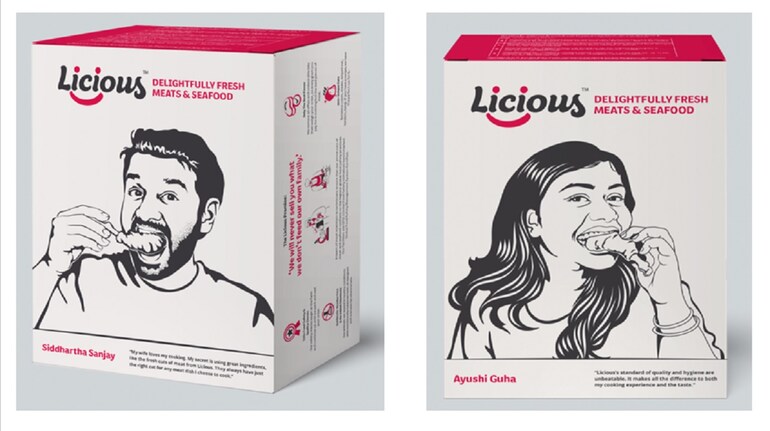
Digital-first meat and seafood brand Licious crossed Rs 100 crore in monthly net revenue for the first time in November, clocking around Rs 103.4 crore, according to people familiar with the developments.
The milestone marks a clear growth inflexion after a prolonged post-pandemic slowdown. Momentum has continued into FY26, with parent Delightful Gourmet Pvt Ltd reporting net revenue of Rs 530 crore in the first half of the fiscal, up 42 percent year-on-year. Monthly revenue rose from about Rs 94 crore in October to crossing the Rs 100-crore mark in November, the people said.
What is Flash and why does it matter to Licious?
Flash, Licious’ 30-minute rapid delivery service, has emerged as a core growth driver.
Around 50 percent of the company’s monthly sales now come from Flash orders. The service also accounts for roughly half of overall platform traffic, reflecting rising consumer preference for faster fulfilment in fresh meat and seafood.
Repeat customers contribute close to 85 percent of monthly revenue, supported by higher order frequency and shorter delivery timelines.
Licious did not respond to Moneycontrol's queries.
How important are offline stores to Licious’ business?
Licious’ omnichannel strategy is beginning to show scale. Of the Rs 103.4 crore recorded in November, around Rs 88 crore came from online channels, while offline stores contributed about Rs 16 crore, sources said. The company currently operates over 55 physical stores across the top three metros.
The platform now serves around 1.5 million users, including more than 100,000 repeat offline customers, indicating early traction in physical retail.
How large is Licious’ subscriber base today?
Subscriptions are adding predictability to demand. Licious’ Infinity subscription programme has crossed about 3.2 lakh subscribers, nearly four times higher than a year ago.
Renewal rates are currently at around 87 percent, underlining strong engagement among high-frequency users.
Has competition from quick commerce eased for Licious?
The competitive landscape has also turned more favourable. Quick-commerce players that had aggressively expanded meat and seafood offerings over the past two years have scaled back these efforts, opting instead for partnerships with specialised players such as Licious.
This pullback has reduced pricing pressure and improved demand stability for the category.
With Flash now embedded as a core consumption driver and offline and subscription channels adding incremental scale, the company appears to be entering a more stable growth phase—one driven less by discount-led expansion and more by frequency, speed and retention.


Discover the latest Business News, Sensex, and Nifty updates. Obtain Personal Finance insights, tax queries, and expert opinions on Moneycontrol or download the Moneycontrol App to stay updated!
Find the best of Al News in one place, specially curated for you every weekend.
Stay on top of the latest tech trends and biggest startup news.