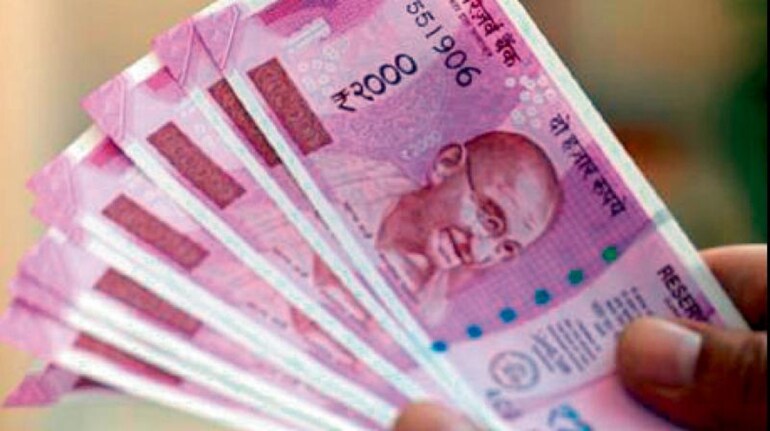
For most salaried Indians, the EPF balance is the one number they look at and feel vaguely reassured about. The national EPF corpus has grown to around Rs 24.76 lakh crore as of 2024, almost five times what it was a decade earlier. That sounds huge. But retirement is not paid out of the national corpus. It is paid out of your own account, and that is where the gap quietly shows up.
A monthly PF deduction of 12 percent looks healthy in your salary slip, but retirement is fighting three strong forces at once: rising prices, rising medical costs and longer lives. Headline inflation may be near 3–4 percent, but hospital bills, diagnostics and long-term care often climb at a much faster rate. A surgery that costs Rs 3 lakh today could easily be Rs 7–8 lakh when you are in your seventies. A corpus that seems comfortable at 60 can feel tight by 70.
EPF also has its own limits. Contributions are linked to basic pay and formal employment. If you move jobs frequently, take career breaks or shift to consulting, the steady build-up can break. Many people also use EPF as an all-purpose emergency fund. Rules now allow up to 75 percent of the balance to be withdrawn before retirement, with only 25 percent left as a compulsory cushion. Each time that money is dipped into for home renovation, children’s education or medical needs, the retirement base shrinks.
That is why planners increasingly talk about building a second and third leg under the retirement stool. For most middle-class households, PPF and NPS are the simplest add-ons. PPF gives you a long-term, tax-free, government-backed return. It is slow, but steady, and works well for the ultra cautious part of your savings. NPS lets you bring some equity into the picture in a controlled way, which is what actually helps a long-term corpus outrun inflation.
Put very simply, EPF is the default. It is not the full plan. A 35-year-old who is serious about retirement needs to look at PF plus one more product at the very least, and then increase contributions whenever income jumps. The earlier this starts, the less painful it is. Waiting till 45 or 50 means you are trying to run a marathon in the last ten kilometres.
Used together, EPF, PPF, NPS and some optional mutual fund SIPs can turn retirement planning from a blind guess into a clear target. The habit that really changes outcomes is not chasing the perfect product, but quietly topping up your long-term savings every time life gets an increment.
Frequently asked questions (FAQs)
Q: If inflation is low right now, can EPF by itself be enough?
A: It is unlikely. General inflation may look low in a given year, but medical and lifestyle costs still rise faster over a 20–30 year retirement. EPF on its own usually cannot keep up unless your contributions are very large and you never withdraw.
Q: Is it better to add PPF or NPS on top of EPF?
A: They do different jobs. PPF is safer and tax-free, so it suits the conservative part of your money. NPS can take some equity exposure, so it can grow faster over time. Most investors are better off using a mix, depending on age and risk comfort.
Q: I change jobs often and sometimes freelance. Does EPF still help me?
A: Yes, but only if you make sure you transfer balances, keep your KYC clean and avoid cashing out each time you switch. If your work pattern is irregular, opening a PPF account or investing in NPS can give you continuity even when EPF contributions stop for a while.
Discover the latest Business News, Sensex, and Nifty updates. Obtain Personal Finance insights, tax queries, and expert opinions on Moneycontrol or download the Moneycontrol App to stay updated!
Find the best of Al News in one place, specially curated for you every weekend.
Stay on top of the latest tech trends and biggest startup news.