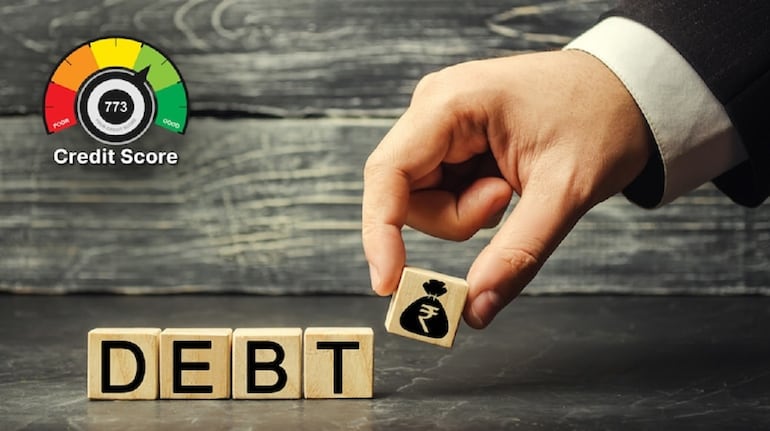
When was the last time you checked your credit report? If your answer is “I don’t remember” or “never,” you’re not alone. Most of us only think about it when we apply for a loan.
But here’s the hard truth: just like skipping routine health check-ups can lead to undetected illnesses, ignoring your credit report can cause issues in your financial life. Think of your credit report as your financial health report, and your credit profile as your liver or kidney profile—quietly working in the background, essential to your survival, but often ignored until something goes wrong.
The silent killer of loan approvalsFor most of us, loans are rare, milestone events—buying a house, upgrading to a new car, or a wedding. We don’t think about our credit report much because we assume, “If I’ve paid my EMIs on time, I’ll get the loan I need.”
Unfortunately, that’s not always the case. Just like underlying health issues can remain undetected until a full-body check-up, hidden problems in your credit report can come to light at the worst possible time—when you need a loan.
Imagine this: you’ve been saving for years to buy your dream home. You apply for a loan, confident that you’ll get the best rates. But to your shock, the bank rejects your application. Why? Because of a small overdue amount from a closed account you forgot about years ago.
Or worse, you’re offered a loan but at a shockingly high interest rate because of a mistake in your credit report—something you didn’t even know existed.
I have come across multiple instances where the individual has applied for a personal loan but systems rejected the application as there was incorrect reporting on an old loan. I have come across a lot of cases too where an applicant clarified that the outstanding visible was an incorrect charge levied which was waived off, but the same was still visible in the credit report.
What can go wrong in your credit report?Just like a health report can reveal alarming cholesterol levels or liver enzyme imbalances, your credit report can reveal red flags that you weren’t aware of. Here’s what could be lurking in the fine print:
Old accounts labelled as overdue: Even a 90-day overdue payment from years ago can damage your financial health.
Small missed payments: An unpaid Rs 100 on an old credit card could haunt you for years, growing into a roadblock for future loans.
Errors and misreporting: Accounts incorrectly marked as open, wrong outstanding amounts, or loans you never took.
Unknown or fraudulent accounts: Just like undiagnosed illnesses, fraudulent accounts can wreak havoc on your credit profile without you realising it.
High credit utilisation: Excessive usage of credit cards or rolling accounts can signal financial stress, even if you’re managing payments.
Written-off or settled amounts: These are financial scars that banks scrutinise closely before approving new loans.
Also read | Why did my credit score drop despite timely payments? Understand the hidden factors
What to look for in your credit reportYour credit report is just as detailed as a blood test report—it’s not just about the headline number (credit score). You need to dive into the details. Here’s what to check:
Account type classification: Ensure all accounts are labelled correctly (e.g., “Standard” rather than “Overdue” or “SMA”). Misclassification can hurt your score. You should not be undergoing treatment for an illness you don’t have!
Discrepancies in account types: Look out for accounts wrongly categorised, like a personal loan marked as a business loan. Like a symptom tagged to a wrong illness!
Utilisation of rolling accounts: Review utilisation levels on credit cards or overdraft accounts. Excessive usage could drag your score down.
Unknown or fraudulent accounts: Spot accounts you don’t recognise—they could indicate identity theft.
Unreported closed accounts: Make sure any closed accounts are marked as such.
Written-off or settled amounts: These should be resolved and accurately reflected.
Payment history: Ensure every EMI and credit card payment is accurately reported.
Also read | How credit score is calculated and what affects it: Explained
How to fix errors in your credit reportJust like you’d seek medical treatment to address a health issue, you need a step-by-step approach to fix mistakes in your credit report:
Diagnose the issue: Identify the errors in your credit report and gather all supporting documents (e.g., loan closure letters, bank statements).
Reach out to the credit bureau: File a formal dispute through their online portal. Include evidence to back your claim.
Consult your lender: Contact the bank or financial institution that reported the error. They can help update the bureau’s records.
Monitor progress: Credit bureaus typically take 30-45 days to resolve disputes. Follow up regularly.
Check for update: Once corrected, review your updated report to ensure the issue has been resolved.
Escalate if needed: If the dispute isn’t resolved, escalate to the RBI Ombudsman or other grievance redressal authorities.
Also read | 7 tips to improve your credit score in the financial year 2025
Why checking your credit report should be routineYou wouldn’t wait for a heart attack to get a health check-up, right? Then why wait for a loan rejection to check your credit report? Making it a routine practice can save you from financial heartaches later.
Here’s what I’ve learned from experience:
Prevent surprises: Catch overdue accounts or errors before they become major problems.
Secure better loan terms: A healthy credit profile means lower interest rates.
Avoid rejections: Fix issues early to boost your chances of approval.
Be financially fit: Regular monitoring helps you plan major expenses confidently.
The final wordYour credit report is more than just a financial document—it’s a vital health check-up for your financial future. Ignoring it is like neglecting the symptoms of an illness that could worsen over time.
So, take control of your financial health. Make checking your credit report as routine as a full-body health check-up. Trust me, your future self will thank you.
The writer is the CEO of Mirae Asset Financial Services.Disclaimer: The views expressed by experts on Moneycontrol are their own and not those of the website or its management. Moneycontrol advises users to check with certified experts before taking any investment decisions.Discover the latest Business News, Sensex, and Nifty updates. Obtain Personal Finance insights, tax queries, and expert opinions on Moneycontrol or download the Moneycontrol App to stay updated!
Find the best of Al News in one place, specially curated for you every weekend.
Stay on top of the latest tech trends and biggest startup news.