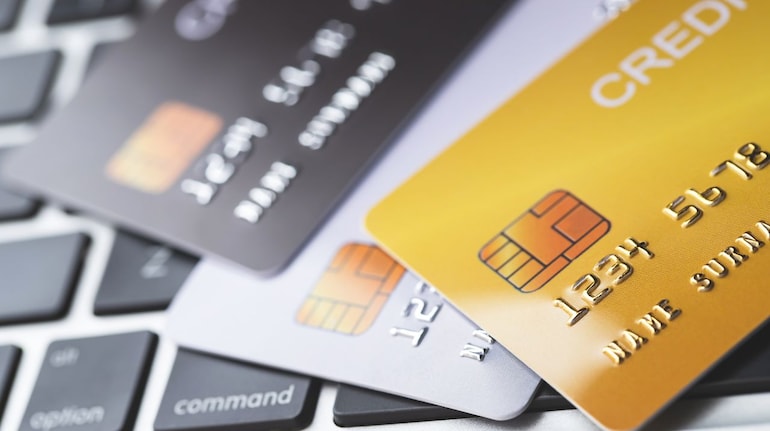
It is good for more liberal limits, more liberal rewards, and an available source of emergency funds. The risk is the temptation to overspend. When balances start to accumulate between cards, it is harder to keep track of payments and charges. A single late payment will set off penalty fees, late fees, and lost points in your credit record. The debt balloons fast, and the cycle is hard to break.
Track your payments and spendingThe first move towards preventing debt is having your expenses totally in your hands. Use computer-based budgeting tools or phone apps to track spending on cards and stay within the repayment limit. Reminder or automate payment dates to prevent fines for being overdue. Paying the outstanding amount every month, instead of paying the minimum, prevents high interest.
High-interest cards need to be prioritizedIf you have balances on multiple cards, focus first on paying off the card with the highest interest rate. This tactic, which is called the "avalanche method," can reduce the aggregate interest you owe in less time. Continue to make minimum payments on the rest of the cards but pay extra to the high-interest card. When you've paid it off, move on to the next. This rigid payment plan can save you a great deal of money over time.
Limit new applications and unnecessary spendingEach new card application results in a hard inquiry on your credit report, impacting your credit score. Too many cards also enhance your tendency towards impulsive spending. Before getting another card, reflect on whether the benefits are really worth the risk. Also, learn to distinguish between needs and wants—applying credit cards solely to necessary purchases and emergencies keeps your debt in check.
Opt for balance transfer offers wiselyMajority of banks offer balance transfer facilities whereby you can shift high-interest obligations into a card with low or no-interest introductory offer. It could provide short-term relief if used wisely. Never take it as a chance to buy more. Always use the low-interest period to pay off the principal component as much as possible before regular rates apply.
Forming good credit behaviourIt is worthwhile to be financially responsible in avoiding a debt trap. Monitor your statements frequently, keep an eye on your credit utilization ratio, and pay more than the minimum whenever possible. Using many cards responsibly can serve your credit score and offer flexibility—but without responsible care, it can quickly become a high-wire exercise in financial worry.
Discover the latest Business News, Sensex, and Nifty updates. Obtain Personal Finance insights, tax queries, and expert opinions on Moneycontrol or download the Moneycontrol App to stay updated!
Find the best of Al News in one place, specially curated for you every weekend.
Stay on top of the latest tech trends and biggest startup news.