






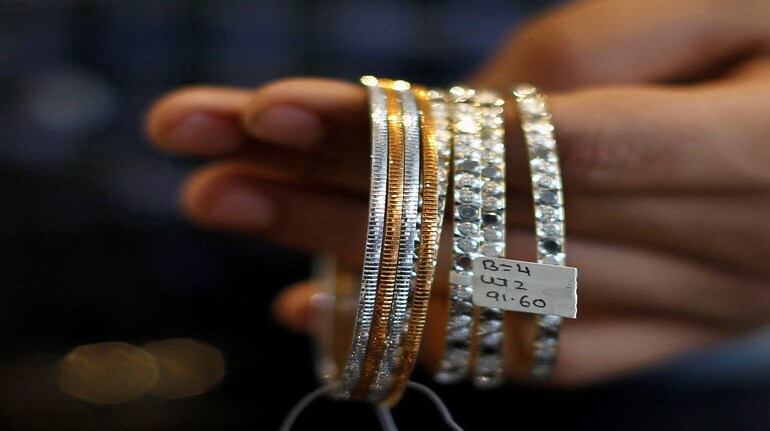

India’s jewellery market is pivoting from locker heirlooms to daily-wear investments, according to a new Deloitte India report. The report reveals that 86 percent of consumers now see gold and jewellery as a top wealth creation tool, nearly matching mutual funds and stocks at 87 percent.
The report is based on a nationwide survey of 600+ consumers across age groups and city tiers, plus Deloitte’s market analysis.
Jewellery as wealth and wardrobe
The report highlights how jewellery is no longer just savings, it’s style too. It details how 56 percent buy it as both investment and fashion, while 28 percent go pure investment. Men and those over 45 prioritise wealth preservation while younger buyers chase lightweight, modular pieces for daily use. Nearly 49 percent prefer minimalist designs over ornate sets (15 percent), fuelling demand for versatile collections.
Gen Z’s silver and platinum Surge
According to the report, Gen Z is rewriting the metal playbook: 51 percent favour silver, 34 percent platinum. About 45 percent of young buyers invest in silver for its affordability and trendy appeal, making it gold’s everyday complement. Silver, in particular, is emerging as a bridge between fashion and finance: about 45 percent of Gen Z and millennials say they prefer investing in silver jewellery, citing its design-forward appeal, accessibility and lower price points.
Milestones beyond weddings
Weddings drove 70 percent of buys historically, however, the report argues that this equation is changing fast as millennials and younger professionals use jewellery to mark personal milestones rather than just family ceremonies. Among millennial respondents, 38 percent said they buy jewellery for birthdays and anniversaries, while 32 percent purchase it for daily and office wear. Career moments such as promotions and graduations are also emerging as triggers for self-purchase.
Additionally, 49 percent of participants told that they prefer rings, chains and earrings for Non-ceremonial purchases.
Trust keeps jewellery largely offline
As per the report, over 85 percent of jewellery buyers preferred purchasing the same in physical stores, whether at national chains, long-standing family jewellers or neighbourhood outlets. Meaning-- the decision-making is still anchored by trust, authenticity and in-store experience. Deloitte India also reveals how social media influence discovery for Gen Z while older groups still go by referrals.
Margins push efficiency
Indian jewellery retailers typically operate at EBITDA margins of 5–10 percent, versus roughly 12 percent for global peers. This margin gap, combined with high inventory intensity, leads to capital being locked in slow-moving stock and puts pressure on returns. Deloitte argues that operational excellence—not just store expansion—will be the next major growth lever for the sector.
Praveen Govindu, Partner, Deloitte India, said in a statement that, “India’s jewellery market is at an inflection point where consumption is no longer defined only by tradition or price, but by a convergence of wealth creation, self expression and everyday relevance. As consumers embrace lighter designs, alternative metals and non-ceremonial purchases, the industry’s next phase of growth will depend on how effectively retailers combine trust, design agility and data-led operations. Those that can modernise portfolios without diluting heritage, strengthen omnichannel journeys while preserving in-store confidence and improve operational efficiency will be best positioned to lead India’s jewellery market over the next decade.”

Discover the latest Business News, Sensex, and Nifty updates. Obtain Personal Finance insights, tax queries, and expert opinions on Moneycontrol or download the Moneycontrol App to stay updated!
Find the best of Al News in one place, specially curated for you every weekend.
Stay on top of the latest tech trends and biggest startup news.





