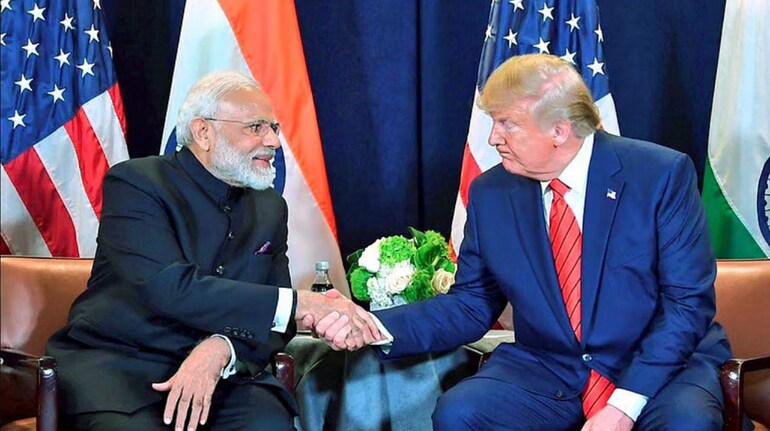

Markets do not thrive on sentiment alone, they thrive on certainty and clarity. The recently announced trade agreement between India and the United States delivers precisely that at a time when global trade tensions had created sizeable policy risk for Indian exporters and investors.
The headline outcome, a reduction in reciprocal tariffs on Indian goods in the US to approximately 18%, is significant because it removes a persistent overhang that had constrained trade flows and investor confidence in recent quarters. Prior tariff levels had escalated to higher bands, in some cases effectively near 50%, due to additional levies that applied in the context of geopolitical tensions. This agreement marks a de-escalation in trade friction and importantly, it comes after sustained negotiations. The tariff clarity it introduces enhances earnings visibility for export-oriented sectors and bolsters India's competitiveness relative to many regional peers in the US market.
In macroeconomic terms, the timing could not be better. Indian markets have recently grappled with intermittent currency pressure and inconsistent foreign portfolio flows, with the rupee facing headwinds against the dollar. The trade deal is expected to have a stabilizing effect on the currency through improved trade dynamics and stronger foreign exchange inflows from enhanced export competitiveness.
By reducing policy ambiguity, especially around trade frameworks, the agreement plays directly into the restoration of confidence among global investors. This clarity acts as a catalyst for capital return off the sidelines, particularly in export-linked equities.
Exporters across textiles, leather, gems and jewellery and engineering goods now find themselves better placed in global supply chains. With effective tariffs now below comparable rates faced by several Asian competitors, India strengthens its positioning as a viable China-plus-one destination for cross-border supply chain realignment.
The psychological shift on Indian businesses should not be understated. Strategic investment decisions are often deferred under policy uncertainty; with this settlement, firms can shift focus from scenario planning to execution – scaling capacity, pursuing market expansion and enhancing productivity.
At the same time, a balanced perspective is essential. The final legal text of the agreement is still being worked out and questions remain around the extent and pace of tariff removals, product-specific exclusions and broader non-tariff issues. Moreover, macro headwinds like uneven global demand and margin pressures persist in certain corporate earnings cycles.
The reported aspiration of enhanced trade flows, including discussions around energy and other imports, highlights the trade-offs inherent in any bilateral deal. Markets should watch implementation details closely as they are crystallised through official channels.
Seen together with supportive domestic policy measures, including the recent Budget that reaffirmed India's growth priorities, the trade agreement contributes to a stronger policy continuum. To top it all, the recently presented Union Budget clearly highlights the vision for the next decade to drive sustainable growth; the tariff announcement intent aligns closely with these budgetary provisions and reinforces optimism around India’s growth story.
The Budget anchors domestic growth drivers, while the trade deal clears external uncertainties. For markets, the message is clear: policy visibility has improved, execution risk has diminished and India's growth narrative remains both intact and increasingly compelling.
Disclaimer: The views and investment tips expressed by experts on Moneycontrol are their own and not those of the website or its management. Moneycontrol advises users to check with certified experts before taking any investment decisions.
Discover the latest Business News, Sensex, and Nifty updates. Obtain Personal Finance insights, tax queries, and expert opinions on Moneycontrol or download the Moneycontrol App to stay updated!
Find the best of Al News in one place, specially curated for you every weekend.
Stay on top of the latest tech trends and biggest startup news.