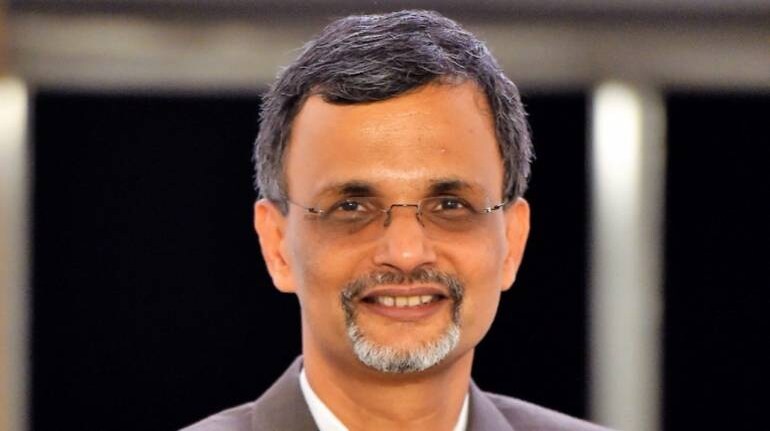
Though global uncertainties have risen with the two US banks’ downfall, the positives may outweigh for India in FY24 with low crude oil prices, non-worrisome external account and likely robust farm productivity due to normal temperatures in March, chief economic advisor V Anantha Nageswaran said.
“The above normal temperatures in March have not materialised. Wheat crop may be good despite El Nino if the current range of temperatures continue for a week. Crop will contribute to farm income rise if unaffected by weather patterns,” Nageswaran said at a Crisil’s India outlook seminar on ‘Rider in the storm.’
The downfall of two US banks Silicon Valley Bank and Signature Bank have raised uncertainties globally on the Fed’s future course and its impact on emerging economies.
He said that the IMF prediction on global growth in January stands outdated with these outcomes. The IMF had predicted that global growth will fall to 2.9 percent in 2023 but rise to 3.1 percent in 2024.
Even if the global economy slows much more, India's external balances in FY24 will improve because of crude oil prices and is not expected to be a source of concern. The accretion to forex reserves has been to the tune of $50 bn in the last 3 months, Nageswaran said.
If the US federal reserve decides to pause the rate hike after the banks’ downfall, the pressure on other currencies and central banks will be lesser. But if the Fed goes ahead with tightening, its domino effect remains to be seen.
“However, there will be an impact on our export growth. Overall, there may be positives for India in terms of oil prices. It is difficult to provide long term guidance, but the fiscal policy should allow uncertainty in our planning process. In FY24, though export growth will not contribute much, government capex and private sector investment will be key supporting factors to drive consumption and employment. We will achieve 6-6.8% growth in FY24 subject to the global situation,” he said.
The chief economic advisor said that the headline inflation continues to be sticky around 6%.
“Headline inflation has peaked in most economies and is now coming down. There is uncertainty on how quickly inflation will come back down in most economies,” he opined.
In most of the sectors, the growth is back to the pre-Covid levels and in other sectors growth is happening albeit slower. Slowdown in recovery in momentum is incorrect as high frequency indicators indicate otherwise.
“As private capex picks up, rebound In construction activity is likely leading to income generation. Consumption has been rising, and has reached pre-pandemic level in most sectors. A good crop will also lead to farm income rise. Many high frequency indicators like passenger vehicles, commercial vehicles, tractors sales are pretty high as compared to 2019-20. Though two wheeler growth is a little slower. Strong thrust on public capex has started showing green shoots of crowding in private investment,” he said.
India needs 2-3 years of 10% nominal GDP growth and there are bright prospects of 7-8% sustained growth in the medium term.
“Multiple structural changes and digitalisation-backed reform push will build foundation for sustained medium term growth of 6-7%. Capital investment cycle and double digit credit growth because of repaired balance sheets places bright prospects of achieving this growth. Banks are better placed to lend and there is robust demand from all sectors,” he said. Real interest rates are unlikely to prove a dampener to buoyant demand but it's important to have margins of safety, Nageswaran added.
Discover the latest Business News, Sensex, and Nifty updates. Obtain Personal Finance insights, tax queries, and expert opinions on Moneycontrol or download the Moneycontrol App to stay updated!
Find the best of Al News in one place, specially curated for you every weekend.
Stay on top of the latest tech trends and biggest startup news.