







The escalating conflict in West Asia could deliver a double shock to several of India’s labour-intensive and agricultural export sectors, with potential disruption in the Strait of Hormuz threatening one of the country’s most critical trade arteries.
A Moneycontrol analysis of detailed trade data shows that India’s exposure goes far beyond oil. For a range of products — from agricultural commodities to specialised industrial goods — Gulf economies account for an overwhelming share of export demand, leaving shipments highly vulnerable to any disruption in shipping routes.
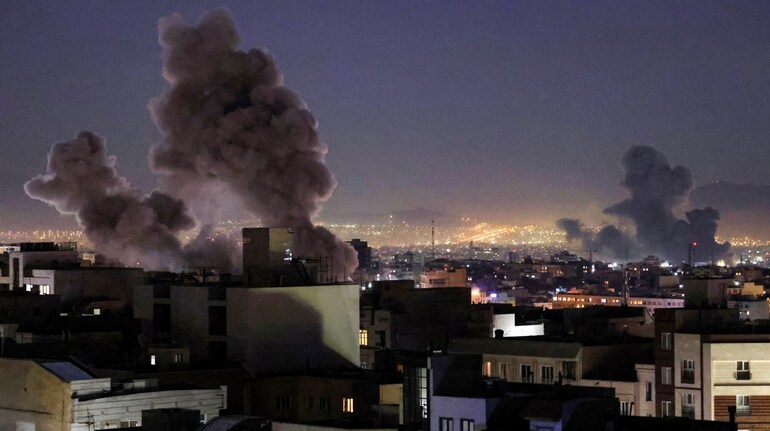
On February 28, Israel and the US carried pre-emptive strikes on Tehran, killing the country’s supreme leader, Ayatollah Ali Khamenei. Iran has since responded with strikes on US bases and civilian infrastructure across Middle Eastern countries.
Trade along the Strait of Hormuz has been threatened by the widening conflict, which accounts for 13 percent of India’s exports and over half of India’s oil imports.
While the 13 percent figure may not indicate much impact, a Moneycontrol analysis shows that in several categories, dependence is near absolute.
Exports of sheep meat, certain wheat varieties, processed meat products and select chemical compounds see almost 100 percent of shipments routed to Hormuz-linked markets, highlighting how deeply supply chains are tied to the region.
Even niche industrial products such as wood pulp and specialised chemical derivatives record export exposure exceeding 99 percent to these economies.
The risks are particularly acute for labour-intensive sectors. Gulf countries accounted for over half of India’s non-industrial diamond exports in 2024, 60 percent of headphone and earphone exports, and 90 percent of copper wire trade. They dominated demand in specific textile segments, meaning disruptions could quickly hit employment-heavy industries already operating on thin margins. Nearly half of India’s shawls, mufflers and two-thirds of woven silk fabrics were transported via the Strait of Hormuz.
Agricultural exporters face an equally sharp threat. The region absorbs over 75 percent of India’s banana and cardamom shipments, making farmers vulnerable to shipping delays, higher insurance costs and payment uncertainties if tensions prolong.
Trade exposure is also concentrated geographically. The United Arab Emirates and Saudi Arabia together account for the bulk of India’s non-oil exports routed through the corridor, amplifying systemic risk if maritime traffic slows or freight premiums spike.
Some products already affected by US tariffs may come under more pressure.
A quarter of India’s men’s shirt trade was headed to the countries affected by the conflict, while the US accounted for half of that trade. Similarly, the countries accounted for 48 percent of precious metal jewellery exports from India, with 30 percent headed to the US. An additional 20 percent of India’s aluminium products will find it tough to find new markets, after the US tariffs have made things difficult for nearly 40 percent of trade.
With airlines already cancelling flights and insurers reassessing risk premiums across West Asia, exporters and policymakers are closely watching developments. A prolonged disruption could simultaneously strain oil supplies and non-oil exports, turning a geopolitical shock into a broader trade and employment challenge for India.
Discover the latest Business News, Sensex, and Nifty updates. Obtain Personal Finance insights, tax queries, and expert opinions on Moneycontrol or download the Moneycontrol App to stay updated!
Find the best of Al News in one place, specially curated for you every weekend.
Stay on top of the latest tech trends and biggest startup news.





