




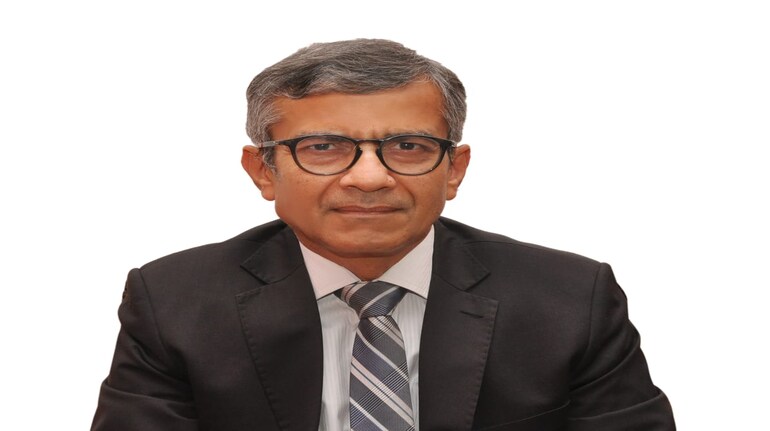
India's domestic industry should prepare themselves for a lower tariff regime in the long run as the country looks at signing more foreign trade agreements (FTAs), Secretary, Department for Promotion of Industry and Internal Trade (DPIIT) Rajesh Kumar Singh said.
Speaking at the Confederation of Indian Industry's (CII) Annual Business Summit on May 18, Singh said given that India is negotiating key FTAs currently, the government may become a "little less conservative" in its approach, seemingly referring to their stance on tariffs when in talks with other countries for trade pacts.
The government is currently in talks for FTAs with a bunch of nations and groupings, including the UK, European Union (EU), and Peru.
Enhancing competitiveness
Singh, however, added that a lower tariff regime would come with attempts to correct any inversions in the existing tax regime to enhance the competitiveness of domestic businesses.
"You (industry) has every right to expect that any inversions in our tax regime would be corrected. There are many commodities both on the GST and custom duties side that continue to have inverted duty structure affecting our export capabilities and competitiveness. DPIIT is doing a cross sectoral study to ensure that both in GST council and through the finance ministry we try to rationalise and ensure that those inversions are removed to improve competitiveness of our manufacturing sector," the secretary said.
Speaking on the Electric Vehicle (EV) policy unveiled in March, Singh said that the government attempted to use tariff tweaks as a way to trigger performance commitments from manufacture without embarking on expenditure.
He expects the EV policy to attract investments from many companies.
'Silent' Tesla yet to commit
"Everybody talks about only one company, but we are expecting responses from many companies to that (EV) policy," Singh said seemingly referring to Tesla, adding that the kind of goals outlined in the Production-Linked Incentive (PLI) scheme for investment or exports can be met by prudent use of tariff as well as non-tariff policy.
In March, the Indian government unveiled a new EV policy slashing import taxes to 15 percent from 100 percent on some models if a manufacturer invests at least $500 million and also sets up a factory.
After Tesla Chief Elon Musk cancelled his visit to India scheduled for April, the company has been ‘silent’ about its plans to the government under the new EV policy, recent media reports said. This comes amid expectations that Musk would announce plans to set up a manufacturing unit in the country with an initial investment of $2 billion.
Discover the latest Business News, Sensex, and Nifty updates. Obtain Personal Finance insights, tax queries, and expert opinions on Moneycontrol or download the Moneycontrol App to stay updated!
Find the best of Al News in one place, specially curated for you every weekend.
Stay on top of the latest tech trends and biggest startup news.