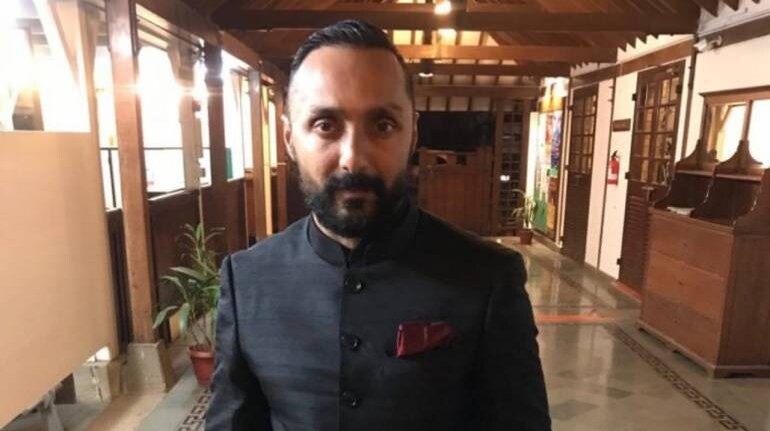
JW Marriott, Chandigarh (Hotel) was recently embroiled in a controversy. The hotel charged actor Rahul Bose Rs 442.50 for two bananas. Appalled at the price, he shot a video regarding the incident and posted it on Twitter.
As per the invoice shown in the video, the hotel charged Rs 375 for the fruit platter (which was the two bananas) and Rs 67.5 was levied on account of goods and service tax (GST).
Initially, the Hotel’s primary concern would have been the negative publicity that the video garnered on social media and the manner in which its competitors cashed in on such a fiasco by their marketing strategies.
However, things took an unexpected turn, when the Excise and Taxation Department of Chandigarh issued a show cause notice to the Hotel. The Hotel has reportedly been fined INR 25,000 for collecting GST on an item which is exempted from tax.
Whether the Hotel was right in charging GST or not is debatable and is a separate matter for discussion, this article however aims to analyze how such a liability would be accounted for between hotel owners and operators.
AccountabilityThe Hotel, like several hotels in India, is managed by the Marriott Group (“manager”) on behalf of the person who owns the hotel ('owner'). The Manager is entrusted with the management of the Hotel.
It is likely that the owner and the manager would have entered into a management contract essentially allowing the manager to carry out day to day operations of the hotel. Pursuant to this contract, the operator would have had the authority to determine the amounts and the manner in which guests at the hotel would be billed for services provided and goods sold during their stay.
It is unlikely that the owner would have had to play any role in such determination. Whilst we have been unable to access the show cause notice issued to the hotel, it is likely that the notice would have been issued in the name of the owner as all acts by managers are usually done in the name of the owners.
The operators merely provide the owners a service by managing and operating the hotel and licensing their brands.
A fiasco such as the present one begs the question as to who should bear the consequences of a wrongful act in operating a hotel. Owners are likely to contend that considering they had no role to play, the managers should be liable. Managers, on the other hand, consider this to be a risk which comes with the business of owning hotels and are hesitant to take up any liability for third party claims.
Balancing of risksIn an ideal world, the perfect way of ending an impasse between owners and operators on the issue of liabilities for third party claims would be indemnities i.e. contracts under which one person takes on the losses of another.
If the manager would have indemnified the owner for all claims arising on
account of the operations of the hotel, the owner would not have to bear any financial risk (i.e. the fine levied in the present case) on account of the acts or omissions of the manager and the persons employed by the manager.
However, managers do not give in easily on the issue of indemnities and
often limit their obligation to their wilful misconduct and gross negligence. To compound matters, in most cases, the difficult burden of proving wilful misconduct or gross negligence lies on the owner.
In the absence of an indemnity, the owner would perhaps have to examine his operating contract and determine whether circumstances exist that could justify a claim for a breach of contract. Whilst operating contracts cannot list down every potential breach in a hotel, it is customary for them to provide a standard of operation that a manager is required to meet. If, and only if, the owner can prove in a court of law that the operator failed to meet such a standard as a consequence of which the owner suffered a loss, the owner may be able to seek damages for such breach of contract.
Whilst insurance may cover the owner or the operator in certain circumstances, there may be claims that may fall out of its ambit. This particular incident is perhaps an eye-opener for the hospitality industry.
It is not only prudent but also imperative to revisit the manner in which such risks are attributed under operating contracts. This time the controversy may have been only about a humble fruit but with increasing consumer awareness and expectation who knows what might be next.
Aakansha Joshi, is a Partner at Economic Laws Practice (ELP) and Megha Agarwal is Senior Associate at Economic Laws Practice
Discover the latest Business News, Sensex, and Nifty updates. Obtain Personal Finance insights, tax queries, and expert opinions on Moneycontrol or download the Moneycontrol App to stay updated!
Find the best of Al News in one place, specially curated for you every weekend.
Stay on top of the latest tech trends and biggest startup news.