




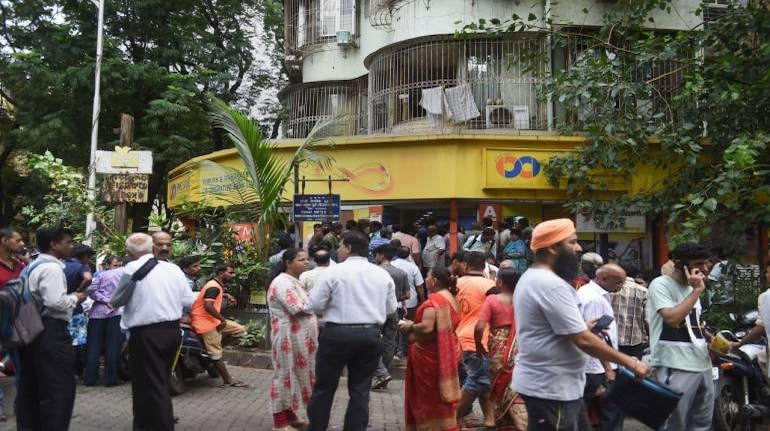
So far this year, the Reserve Bank of India (RBI) has cancelled the licences of three cooperative banks. These are Sarjeraodada Naik Shirala Sahakari Bank, Independence Co-operative Bank and Mantha Urban Cooperative Bank. All three banks belong to the state of Maharashtra.
The reason for these closures is cited as weak capital position and earning prospects. According to the RBI, in all three cases 99 per cent of the depositors will get their money back from deposit insurance and credit guarantee Corporation (DICGC).
While that is good news, the remaining depositors still have bad news ahead. These depositors, who have deposits over Rs5 lakhs in these banks, will have a long wait ahead in most likelihood to get their money back. The DICGC insurance cover currently has a limit of Rs5 lakhs. Remember, these depositors have parked money in these cooperative banks trusting the institutions and the regulator. There is no justification to ignore their concerns.

With the latest amendment in the DICGC Bill, the deposit insurance coverage in India has gone up to 98.3 percent and covered deposit value has risen to 50.9 percent against the comparative numbers globally—80 percent and 20-30 percent respectively.
But, the catch here is that these numbers may include Jan Dhan accounts too which are large in number but typically do not have high-value deposits. According to official statistics, there are over 43 crore Jan Dhan beneficiaries as on August 4, 2021, which together have Rs 1.43 lakh crore deposits.
The plan to hike deposit cover was first announced in the 2020 Union Budget. This scheme is provided by DICGC, which accepts a premium from banks to offer the cover. In the event of a bank collapse, the DICGC compensates the customers by providing the agreed amount.
The deposit insurance guarantee scheme was set up in 1961 to ensure depositors are guaranteed at least some amount in the event of a bank collapse. This amount was enhanced to Rs 1 lakh only in 1993 from Rs 30,000.
The DICGC enhanced the cover to Rs 1 lakh per depositor in May 1993 for deposits of commercial banks, RRBs, local area banks (LABs) and co-operative banks and the rest of the deposit amount is forfeited in the rare event of a bank failure. It was later increased to Rs5 lakhs.
But, clearly, even this limit isn’t enough considering the high value deposits in cooperative banks. So what should be the ideal threshold? There are varying views about the quantum of deposit cover required for Indian banks. But, without doubt the present limit isn’t adequate.
In recent years, the RBI clampdown on co-operative banks has also emerged as a worrying factor for depositors. The rising trust deficit in the banking system can be addressed only if all depositors get insurance cover equivalent to the money they parked in banks. In the absence of a guarantee, depositors may move to bigger banks or look for alternative instruments to park their savings.
Cooperative banks are a key layer in India's banking system which has helped to spread banking services to rural areas. These institutions continue to play a vital role in the economy. But, back-to-back bank closures have shaken the trust in these institutions.
If these banks need to stay relevant, the existing DICGC cover must be reworked in accordance with the value of deposits. There is a strong case to up the DICGC insurance cover from the present Rs5 lakhs to give full cover.
(Banking Central is a weekly column that keeps a close watch and connects the dots about the sector's most important events for readers.)

Discover the latest Business News, Sensex, and Nifty updates. Obtain Personal Finance insights, tax queries, and expert opinions on Moneycontrol or download the Moneycontrol App to stay updated!
Find the best of Al News in one place, specially curated for you every weekend.
Stay on top of the latest tech trends and biggest startup news.