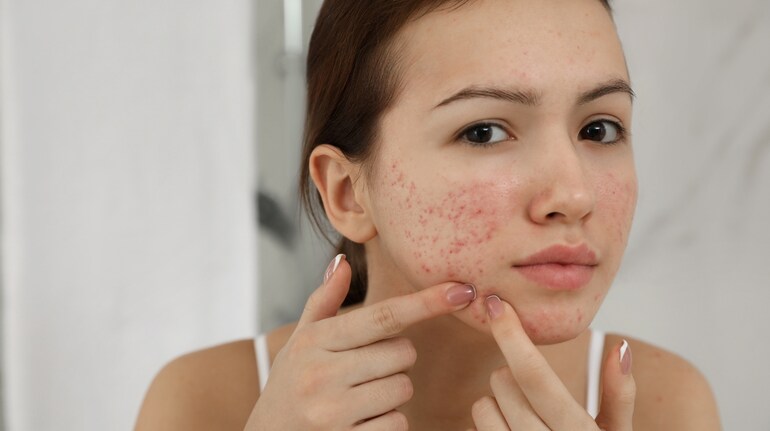
In the ever-evolving world of skincare, natural remedies continue to gain traction, with raw ginger emerging as a popular yet controversial contender in the fight against acne. Social media influencers praise its antibacterial and anti-inflammatory properties, but does science back these claims? Experts weigh in on the real impact of ginger on acne-prone skin—and why caution is key.
The science behind ginger and acne
Ginger, a staple in traditional medicine, is packed with bioactive compounds such as gingerol, shogaol, and zingerone—each known for their anti-inflammatory and antimicrobial effects. These properties, in theory, could help soothe inflamed skin and combat acne-causing bacteria like Cutibacterium acnes.
However, Alok Singh, a food science expert from Uttar Pradesh, warns that the excitement surrounding ginger’s acne-fighting abilities is largely anecdotal.
"While ginger’s anti-inflammatory potential is well-documented in lab studies, there is no strong clinical evidence proving that applying raw ginger to the skin is an effective or safe way to treat acne," Singh explains.
In fact, dermatologists caution against using raw ginger topically. Dr DM Mahajan, Senior Consultant in Dermatology at Indraprastha Apollo Hospitals, firmly dismisses the idea that raw ginger is a viable acne treatment.
"No, using raw ginger on your skin will not reduce acne. In fact, it can cause irritation, redness, and even worsen inflammation," Dr Mahajan states.
Ginger is a potent botanical, and direct application can trigger adverse reactions, especially for individuals with sensitive or acne-prone skin. Contact dermatitis, burning sensations, and increased photosensitivity are potential side effects that could make existing acne worse rather than better.
Also Read | Health benefits of ginger: Use this versatile root to reduce symptoms of viral illnesses
Ginger’s real skincare benefits
While raw ginger might not be the best topical solution for acne, its benefits in skincare are still worth exploring. According to Singh, ginger’s well-researched properties include:
Also Read | Stop acne breakouts, prevent scarring with these expert-approved tips for clear, healthy skin
How to use ginger for skincare
If you’re eager to incorporate ginger into your skincare routine, experts advise against using raw slices directly on the skin. Instead, consider these safer alternatives:
1. Ginger-infused skincare products
Look for cleansers, serums, or creams formulated with ginger extract. These products undergo rigorous testing to ensure safety and efficacy.
2. DIY ginger toner
Steeping a small amount of sliced ginger in hot water, allowing it to cool completely, and using it as a diluted toner is an option—but always patch test first to avoid irritation.
3. Diluted ginger essential oil
Mixing a drop of ginger essential oil with a carrier oil (like jojoba or almond oil) in a 1:100 ratio can provide mild antioxidant benefits without the risk of irritation from raw ginger.
While ginger’s natural compounds hold promise, applying raw ginger directly to the skin is neither an evidence-backed nor dermatologist-recommended acne treatment. Instead, focus on consuming ginger for its internal anti-inflammatory benefits and opt for professionally formulated skincare products.
"For safe and effective acne management, consult a dermatologist rather than relying on social media trends," Dr Mahajan advises.
Disclaimer: This article only provides generic information. Don’t treat it as a substitute for qualified medical opinion. Always consult a specialist for specific diagnosis.
Discover the latest Business News, Sensex, and Nifty updates. Obtain Personal Finance insights, tax queries, and expert opinions on Moneycontrol or download the Moneycontrol App to stay updated!
Find the best of Al News in one place, specially curated for you every weekend.
Stay on top of the latest tech trends and biggest startup news.