






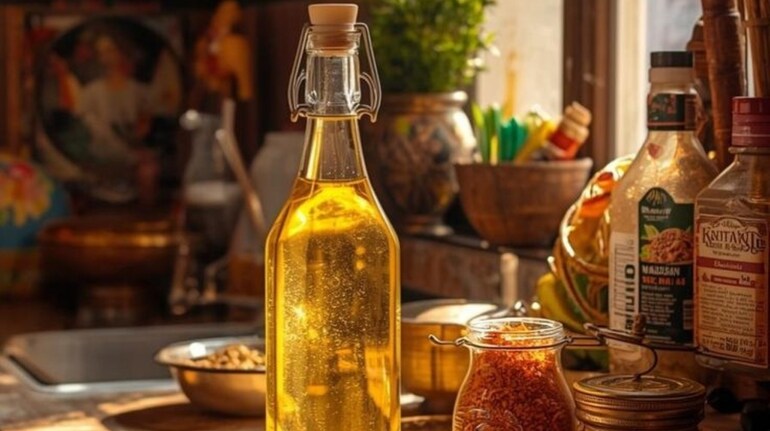

Long before olive oil found its way into modern grocery lists and wellness conversations, Indian kitchens quietly thrived on fats that were locally grown, region-specific and remarkably thoughtful.
Across states and seasons, oils were chosen with a kind of intuitive intelligence—guided by climate, soil, crop cycles and the rhythms of daily life.
There was no trend-chasing, no single miracle ingredient. Just oils that made sense for the land and for the people who cooked with them.
In Bengal, Assam, Odisha and Bihar, mustard oil didn’t just cook meals—it set the tone for them.
Robust, nose-tingling and expressive, it could transform river fish and vegetables with minimal effort. Families understood how to tame its strength: heat it until it shimmered and mellowed, then let it anchor the dish.
In these parts of India, a kitchen rarely ever smelled neutral, and mustard oil was the main reason why.
Travel south to Kerala or coastal Karnataka and another world of fat takes over—the sweet, heady aroma of coconut oil.
Pressed from trees that lined the landscape, this oil blended effortlessly into food that relied on curry leaves, fish, grated coconut and freshly ground spices.
It was never heavy; it tasted like the region itself—lush, wet and sunlit.
Across the west and parts of the south, groundnut oil quietly powered homes.
It fried puris that puffed like balloons, tempered dals after a long day, and handled the sizzling of snacks without burning or altering flavour.
Its appeal lay in its subtlety—not flashy or aromatic, but steady and reliable.
In Tamil Nadu, Andhra Pradesh and parts of the north, sesame oil had a ceremonial presence.
It was poured slowly, often reserved for dishes that needed more than just heat—recipes defined by tangy tamarind, roasted peanuts, or long-cooked spices.
Households treated it almost like a seasonal elixir, something to be used with intention rather than routine.
Far from cities and markets, tribal communities in central and eastern India relied on mahua oil—pressed from the seeds of forest trees they tended like family.
Thick, richly flavoured and nourishing, it cooked meals, lit lamps and, at times, even supported livelihoods through trade.
Mahua wasn’t simply an oil—it was infrastructure.
In Rajasthan and slices of the south, a drop or two of castor oil slipped into stews and lentils when temperatures dipped.
It was valued less for taste and more for what it brought to the body: warmth, ease, and comfort through the season.
Its presence was small but strategic.
For centuries, oil choices in India weren’t accidental.
They emerged out of ecosystems: mustard in cold and damp climates, coconut in humidity-heavy coasts, groundnut where legumes thrived, sesame where winters demanded warmth.
People used different oils at different times, rarely fixating on one source of fat year-round.
The logic was diverse nutrition, seasonal balance and flavour literacy long before those ideas became fashionable.
Also Read: Brothy rice is going viral on TikTok: Is this comforting food trend new or centuries old?
Olive oil, though widely celebrated today, comes from an entirely different food culture—with techniques, temperatures and ingredients that evolved alongside it.
When Indian households blindly replace indigenous oils with it, they often lose the harmony that defined regional cooking.
Today, cold-pressed mills, farmers’ markets and small producers are reviving oils once taken for granted.
More families are rediscovering what was already ours—fat that fits the food, the weather and the body.
The shift isn’t a rejection of olive oil. It’s a reminder that Indian kitchens never lacked flavour, good fats or nutritional wisdom. They simply stopped valuing what they once instinctively knew.
And sometimes, the most powerful food trend is not a new discovery—but a return to where we began.

Discover the latest Business News, Sensex, and Nifty updates. Obtain Personal Finance insights, tax queries, and expert opinions on Moneycontrol or download the Moneycontrol App to stay updated!
Find the best of Al News in one place, specially curated for you every weekend.
Stay on top of the latest tech trends and biggest startup news.





