It may be easy to just pop food in a plastic container -- after all, you can leave it closed and eat directly out of the same dish. Some foods interact with plastic, "leaching" or releasing harmful chemicals such as BPA and phthalates. Here are eight foods you should never store in plastic, according to a food safety expert.
In today’s busy time, plastic containers have become an essential part of the kitchen light in weight, reuse and accessible. But it’s used to store and heat food without much thought about the potential consequences, such as chemicals leaching into the food if that plastic is heated or variable reactions to acidity or oil. Over time, these chemicals may interfere with hormones and digestion and even elevate the risk of chronic disease.
Opt for safer options like glass, ceramic or stainless steel to minimize exposure to these harmful chemicals. Smart storage of both food and liquid helps keep freshness intact, too.
“Not all plastics are harmful, but with regular usage (for example, using plastic containers to heat up food in a microwave) could cause toxic chemicals to leach from them and into your food,” explains Dr. Meera Sethi, Nutrition and Food Safety Specialist based in Mumbai. The risk grows if plastic is scratched, heated or reused multiple times.”
8 everyday foods you shouldn't store in plastic containersInstead, swap them with these safer alternative.
Hot Curries and SoupsPlastic releases toxins like BPA when it’s heated. Always cool food before storing — or better yet, use glass containers. Hot curries and soups can extract these chemicals, changing the taste and harmfulness.
PicklesBoth acid and oil, pickles react with plastic powerfully. The acid can lead to the breakdown of the plastic lining and may transfer harmful compounds into food. Place pickles in a glass jar for longer-lasting freshness and flavour.
Also read: Shilpa Shetty's Mumbai restaurant earns over ₹ 2-3 crore per night; Know why columnist Shobhaa De was surprised when she visited thereTomatoes and Tomato-Based SaucesIt doesn't hurt that tomatoes are highly acidic and so promote chemical leaching. Use glass or stainless-steel vessels for storing tomato paste, gravies Unloading the ladle full of gravy or tomato paste into plastic can have a toxic fallout, advises Dr. Sethi.
Lemon, orange and other citrus juices are acidic and will react with plastic. This can cause a sour taste and decrease the vitamin strength over time. Glass bottles are preferable.
Fermented FoodsFermented products like kimchi, curd or idli batter exude gases and acids that interact with plastic. This can ruin the ferment. When you have such foods, keep them in ceramic or earthenware vessels.
Oily Foods‘Plastic is porous, so it tends to soak up oils causing discoloration and odours. Worse, oil can leach harmful chemicals from plastic into the food. Choose steel containers for greasy leftovers.
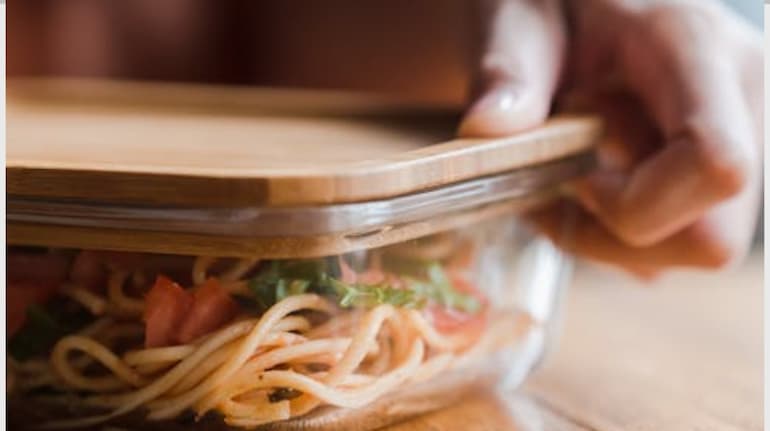
Hot Rice or PastaJust-cooked rice or pasta boasts high moisture and heat, ideal conditions for leaching chemicals. Cool and store in a glass jar whenever you want.
Also read: Sleeping for less than 6 hours every night? Doctors have a warning that you must not ignoreDried SpicesStored in plastic too long, spices can lose their flavour and aroma. Plastic also hold moisture as well over time. Keep your herbs fresh and strong by storing them in airtight glass jars.
“Food safety is from storage,” says Dr. Meera Sethi. “Even high-quality food can turn bad if stored in the wrong container.”
FAQs on harmful effects of keeping food in plastic containers:1. Is it safe to store food in plastic containers?Not always. Some plastics can leach harmful chemicals into food, especially when heated.
2. What chemicals in plastic are dangerous?Bisphenol A (BPA) and phthalates can disrupt hormones and affect overall health.
3. Can I microwave food in plastic containers?It’s best to avoid it. Heat can cause chemicals to leach into the food.
4. Does plastic storage affect food taste or quality?Yes. Over time, plastic can absorb odors and release substances that alter food taste.
5. What’s a safer alternative to plastic containers?Use glass, stainless steel, or BPA-free containers for safer food storage.
Disclaimer: This article, including health and fitness advice, only provides generic information. Don’t treat it as a substitute for qualified medical opinion. Always consult a specialist for specific health diagnosis.Discover the latest Business News, Sensex, and Nifty updates. Obtain Personal Finance insights, tax queries, and expert opinions on Moneycontrol or download the Moneycontrol App to stay updated!
Find the best of Al News in one place, specially curated for you every weekend.
Stay on top of the latest tech trends and biggest startup news.