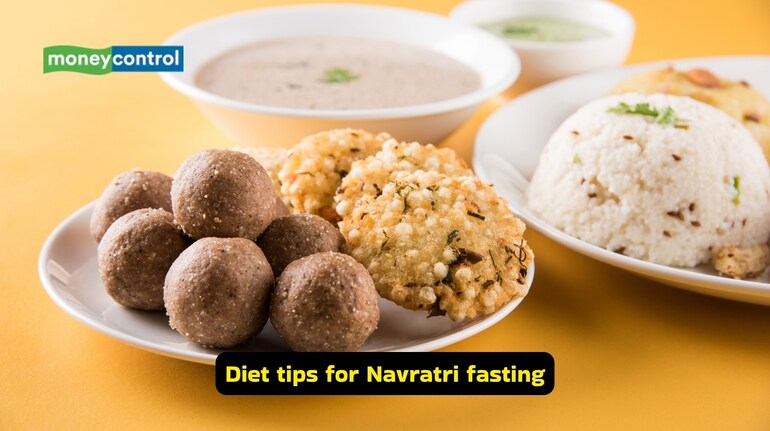

Chaitra Navratri is observed through fasting, prayer, and strict adherence to a satvik diet, which promotes purity, balance, and mindful consumption. During the nine days of the festival, the dining table transforms into a spread of fasting meals.
A Satvik diet consists of fruits, milk, nuts and root vegetables, which serve as the main food items, while buckwheat (kuttu), water chestnut flour (singhara) and amaranth (rajgira) serve as substitutes for regular grains.
However, as clean as the ingredients may look, the problem arises from the cooking methods used to prepare the food instead of its actual ingredients.
Also read | 7 high protein dishes that will keep you full and energetic during Navratri fasting
Dr Pratayksha Bhardwaj, World Record Holder dietitian and weight management expert, told Moneycontrol, “Deep-fried items such as sabudana vadas, puris, and pakoras can turn a basic fasting meal into a gourmet dining experience, but they also add excessive calories.”
He added, “Sabudana contains high carbohydrate content but it lacks both fibre and protein. The body experiences increases in blood sugar level because of excessive oil usage in cooking, which can result in rapid weight gain.”
Even potatoes serve as an essential fasting food. “The fried version of the food has negative health effects because people who consume it frequently add more calories to their diet,” Dr Bharadwaj explained. Small meals become energy-dense through the combination of ghee, peanuts and sugar, as these ingredients create a heavy meal.
Also read | 5 common foods to avoid during Navratri even if you’re not fasting
The expert said, “People tend to eat larger portions because these foods have been designated as acceptable for consumption. A bowl of sabudana khichdi, loaded with peanuts and ghee, can easily match or exceed the calories of a regular meal.”
However, Navratri fasting does not have to be unhealthy. A few mindful choices can make a significant difference.
The way you cook food affects the final result. “You should choose roasting or baking or low oil cooking methods instead of deep-frying.” It’s best to consume sabudana khichdi with vegetables using light cooking methods instead of fried vadas.
“The addition of carrots and capsicum as vegetables increases the fibre content while extending your satiety period,” he added.
According to Dr Bharadwaj, protein intake in traditional fasting foods remains insufficient and can be increased through the consumption of yoghurt, paneer, and milk, and by eating a handful of nuts. Additionally, select whole and natural foods. Fresh fruits, coconut water, and homemade smoothies offer essential nutrients and hydration while keeping calorie count low.
Another factor that plays a crucial role is the control of portion sizes, along with the timing of meals. “The practice of consuming smaller meals throughout the day at consistent times helps maintain blood sugar levels while preventing overeating,” he said.
People need to pay attention to their hydration needs as well because water, buttermilk, and lemon water serve as effective tools to help avoid snack consumption.
1. What foods are included in a satvik diet for Navratri fasting?
A satvik diet during Navratri includes fruits, milk, nuts, and root vegetables, with buckwheat, water chestnut flour, and amaranth as substitutes for regular grains.
2. Why should deep-fried items be avoided during Navratri fasting?
Deep-fried items like sabudana vadas and puris add excessive calories, leading to weight gain and increased blood sugar levels due to high oil usage.
3. How can potatoes be healthy during Navratri fasting?
Avoiding fried potatoes and opting for roasted or baked versions can prevent excessive calorie intake and make them a nutritious fasting food.
4. How can protein intake be increased during Navratri fasting?
Increase protein by consuming yoghurt, paneer, milk, and nuts, which are commonly acceptable fasting foods.
5. What are some tips for healthy Navratri fasting?
Use roasting, baking, or low oil cooking methods, add vegetables to dishes for more fibre, control portion sizes, maintain meal timings, and stay hydrated with water, buttermilk, and lemon water.
Disclaimer: This article, including health and fitness advice, only provides generic information. Don’t treat it as a substitute for qualified medical opinion. Always consult a specialist for specific health diagnosis.
Discover the latest Business News, Sensex, and Nifty updates. Obtain Personal Finance insights, tax queries, and expert opinions on Moneycontrol or download the Moneycontrol App to stay updated!
Find the best of Al News in one place, specially curated for you every weekend.
Stay on top of the latest tech trends and biggest startup news.