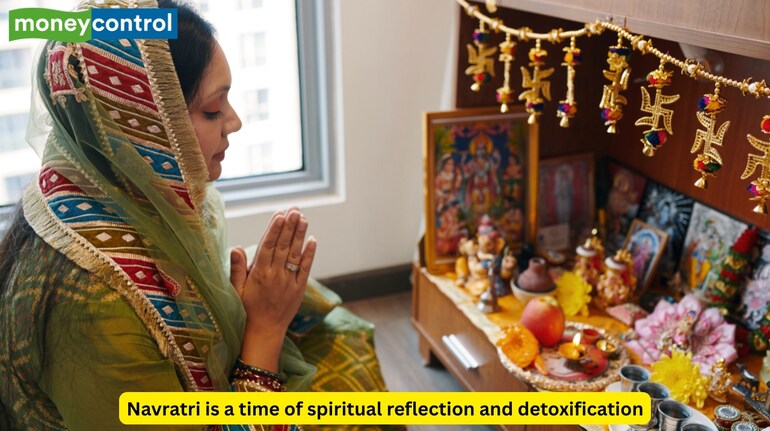

The nine-day fasting period in Navratri is a time of spiritual reflection, detoxification, and rejuvenation of the body and mind. Emphasis is laid on consuming vrat-friendly foods that nourish the mind and body. These include grains, vegetables, fruits, nuts, seeds, and millets, all prepared in a healthy way. However, there are certain items that are avoided during this phase, even by those who aren’t fasting.
It is hard for many of us to think of cooking daily foods without onions. They add flavour to any dish and are used quite commonly in most Indian kitchens. However, during Navratri, they are strictly prohibited. They are considered tamasic and are believed to cause lethargy and bring negative energy. Navratri is the time to instead follow a Satvik (pure) diet for cleansing and detoxification.
Garlic is often used to enhance the taste of cooked lentils. In many Indian households, it’s a daily affair to enjoy dal with rice or roti. But in Navratri, it is strictly avoided. It is believed that garlic increases body heat, and in Ayurveda, it is linked to restlessness. The festival of Navratri focuses on peace, discipline, and commitment, and such foods go against its principles.
Non-vegetarian foods such as chicken, mutton, fish, and poultry are strictly prohibited. These are considered impure and believed to disturb the spiritual balance of the body. Many across the country avoid eating them during Navratri even when they are not fasting.
A breakfast staple in many Indian homes, eggs are easy to make and highly nutritious, but most refrain from consuming them during the nine days of Navratri. They are considered heavy and an overload on the digestive system. During this phase, light foods are enjoyed that help prepare the body for summer and keep it cool.
Also read: Why Bihari cuisine is emerging as India’s next big food obsession
Both alcohol and tobacco are avoided during the nine days. Consuming them reflects a poor lifestyle that goes against the Satvik principles of purity. They are indulgent and unfit for consumption, doing more damage to the body than some other foods. It disturbs balance and control and should be avoided.
1. Which grains should be avoided during Navratri?
Regular grains like wheat, rice, and oats are typically avoided during fasting.
2. Are onions and garlic allowed during Navratri?
No, onion and garlic are avoided as they are considered tamasic foods.
3. Can you eat regular salt during fasting?
No, regular salt is usually replaced with rock salt (sendha namak).
4. Are processed foods allowed during Navratri?
It’s best to avoid processed and packaged foods as they may contain restricted ingredients.
5. Is non-vegetarian food allowed?
No, meat, eggs, and fish are strictly avoided during Navratri.
Discover the latest Business News, Sensex, and Nifty updates. Obtain Personal Finance insights, tax queries, and expert opinions on Moneycontrol or download the Moneycontrol App to stay updated!
Find the best of Al News in one place, specially curated for you every weekend.
Stay on top of the latest tech trends and biggest startup news.