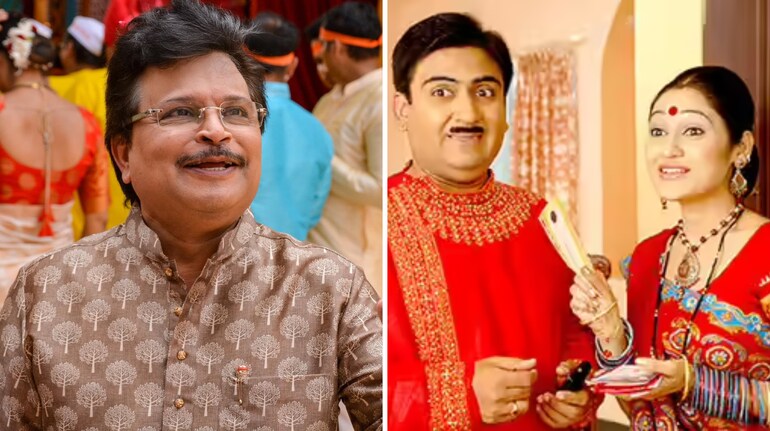

When Taarak Mehta Ka Ooltah Chashmah premiered in 2008, Indian television was dominated by high-voltage saas bahu dramas primarily.
Comedy existed, but largely as a weekly format or as slapstick. What the show quietly did was disrupt that space introducing a daily sitcom rooted in everyday life, community living, and gentle humour.
Seventeen years later, Taarak Mehta Ka Ooltah Chashmah remains the longest-running non fiction comedy show on television and it is watched across age groups and countries.
Its characters like Jethalal Gada, played by the talented Dilip Joshi, Dayben (Disha WakanI) Atmaram Tukaram Bhide (Mandar Chandwadkar), Popatlal, Sodhi, Iyer form the backbone of the show. Since its inception, its characters have etched a place in the hearts of the audience.
The show's character Jethalal, played by Dilip Joshi, has evolved into one of the most recognisable fictional characters on Indian television.
In an exclusive conversation with Moneycontrol, show's producer Asit Kumar Modi, said that relatability was the core intent of the show from the very beginning. He drew things from the day to day life to create the core of his hit sitcom.
We asked Asit Kumar Modi, did he ever anticipate this level of success for the characters of Jethalal, Daya Ben, Bhide and others who have become iconic, to this he said: "I never imagined that the characters would achieve this level of success. There was no planning or calculation behind it. I simply focused on creating a show rooted in simple living and honest storytelling."
“From the very beginning, my idea was clear. I wanted to create a family-oriented show, something people could watch together when they came home tired after a long day at work. The intention was to give them rest, peace of mind, and a few moments of genuine happiness. Around 2008, television largely revolved around intense daily dramas. There were very few comedy shows at that time, and I felt there was a strong need for clean, wholesome comedy that the entire family could enjoy," Asit Kumarr Modi told us.
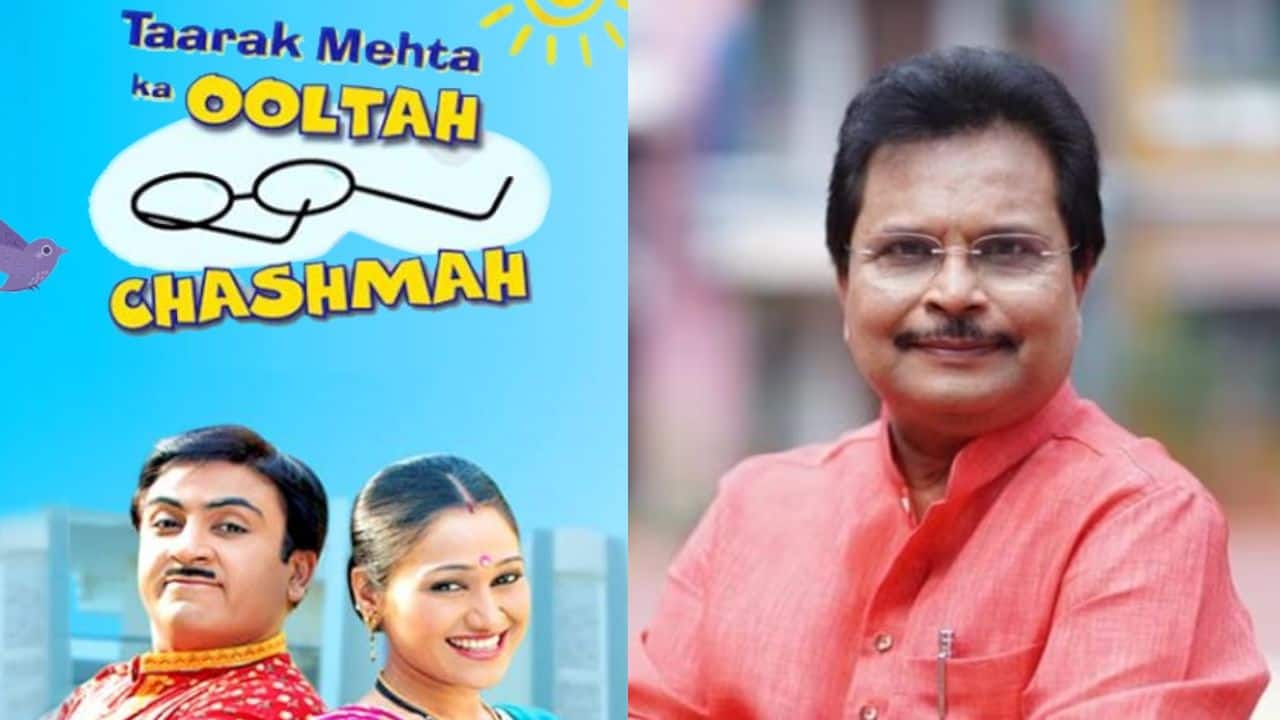 Taarak Mehta Ka Olotah Chashmah
Asit Kumar Modi said that entertainment alone was never the end goal and always thought of entertaining the audience.
“Whatever show I do, I always keep one thought at the centre, it should entertain, it should be fun, but it should also carry a meaningful message for society. I have always believed in doing something unique and out of the box," he said.
That philosophy was not new. His earlier shows Hum Sab Ek Hain, Krishna Ben Khakhrawala, Yeh Duniya Hai Rangeen, and Wah Wah Kya Baat Hai, also focused on social themes, family structures, and cultural values.
“Every show I’ve created has had a purpose behind it. I entered the entertainment field with the belief that the work should be remembered. It should reflect our culture, our sabhyata, and family values, content that connects with the common man. Taarak Mehta Ka Ooltah Chashmah truly reflects this ideology," added Asit Kumar Modi.
Why the humour feels familiar
Unlike loud, exaggerated comedy, Taarak Mehta Ka Ooltah Chashmah's humour comes from everyday situations and it was a design choice Asit Kumar Modi says which was deeply influenced by his own upbringing in the chawl.
“I wanted to create a show that depicted the life of the ordinary man in an innocent, simple, and relatable way. There was no show at that time that portrayed everyday life so naturally that people could instantly connect with it.”
Growing up in Bhuleshwar, Mumbai, first in a chawl and later in a housing society, gave him a front-row view of community living.
“I have experienced true community living, how neighbours support each other, celebrate festivals together, and function like one extended family. There is a lot of natural humour hidden in these everyday moments. Sometimes my father would get late for office, and my mother would run down the stairs with his tiffin so that he could eat home-cooked food. Neighbours would smile or laugh not out of mockery, but warmth and affection. These moments stayed with me," he says with a smile on his face.
Modi said those observations eventually shaped Gokuldham Society and its characters like the famous Jethalal, whose emotional vulnerability and sincerity form the backbone of the show.
Sustaining a daily show for over a decade
Running one of India’s longest-running daily shows has not been without challenges, but Modi views it as part of the process.
“Every journey comes with challenges, and tough days are inevitable. But what truly matters is how we perceive those moments. This is a daily soap — yes, there are pressures — but we accept them with love, positivity, and happiness.”
According to him, the off-screen atmosphere directly impacts what viewers see on screen.
“We genuinely enjoy the work we do. The entire team works together with enthusiasm and mutual respect. When people behind the scenes enjoy the process, the audience can feel it.”
No formula for success
Despite the iconic status of Jethalal, Daya Ben, and Bhide, Modi insists there was no strategic blueprint.
“I never imagined that the characters would achieve this level of success. There was no planning or calculation behind it. I simply focused on creating a show rooted in simple living and honest storytelling.”
Asit Kumar Modi said teamwork is what matters more than outcomes.
“I told my team just one thing — work hard and with honesty. Whether success comes or not is secondary.”
 Dilip Joshi plays the role of Jethalal Gada
Staying relevant amid changing audience habits
As viewing habits and platforms evolve, Taarak Mehta Ka Ooltah Chashmah's core philosophy has remained unchanged.
“The most important leadership decision was to never lose touch with why people watch the show. Audiences come at 8:30 pm to feel happy and relaxed, not overwhelmed. Even as platforms changed and negativity grew in public discourse, I understood that people still want positivity, harmony, and warmth. Internally, I created a culture where teamwork matters more than hierarchy. Everyone in the team is encouraged to think like a leader, share ideas, and take responsibility," he told us.
Also See: Dhurandhar 2 to The Devil Wears Prada 2: Biggest and much awaited movie sequels of 2026
Modi says his leadership approach is collaborative rather than hierarchical.
“Leadership is not about giving orders. It is about working harder alongside the team and listening during challenges.”
On criticism of the show
With popularity comes scrutiny, something Asit Kumar Modi says he has learned to accept.
“Criticism is inevitable. If it is valid, it helps us improve; if it is unfair, it teaches patience. Ego is the biggest obstacle in creative work," he said.
Asit Kumar Modi said that as for legacy, he prefers to let the audiences decide for themselves. “If people remember the show as something that brought families together, spread positivity, and reflected the unity of our country with laughter, that itself is a legacy worth having.”
More than 16 years on, Jethalal’s emotional chaos, fun nok jhok with Daya (Disha Wakani) or his khatti meethi friendship with Bhide, arguments with Iyer, hidden admiration for Babita ji all form the heart and soul of the show.
All these altercations, continue to feel familiar ensuring that Taarak Mehta Ka Ooltah Chashmah remains not just a television show, but a nightly habit in Indian households.

Discover the latest Business News, Sensex, and Nifty updates. Obtain Personal Finance insights, tax queries, and expert opinions on Moneycontrol or download the Moneycontrol App to stay updated!





Find the best of Al News in one place, specially curated for you every weekend.
Stay on top of the latest tech trends and biggest startup news.