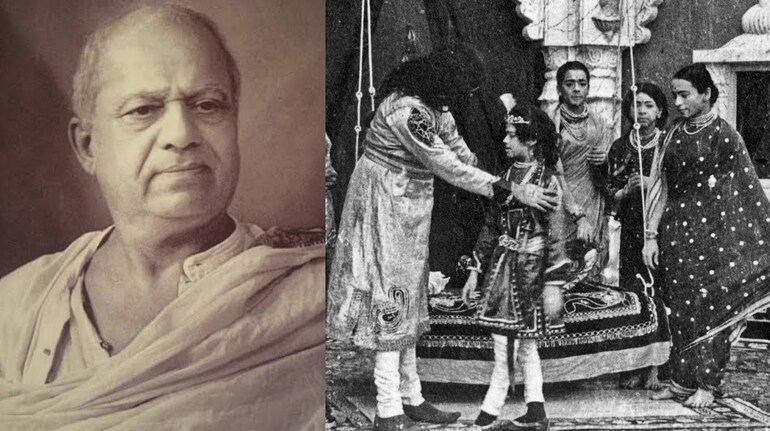

Today, on the death anniversary of Dadasaheb Phalke, it is worth remembering that Indian cinema did not begin with glamour, red carpets, or box office records. It began with sacrifice, obsession, and an almost reckless belief in a dream. Born as Dhundiraj Govind Phalke, he is widely regarded as the father of Indian cinema. But that title did not come easily. It was earned through risk, ridicule, and resilience.
The Film That Started It All
In 1910, Phalke watched a silent film titled The Life of Christ. Something shifted in him. He later spoke about imagining Indian gods and mythological stories being brought alive on screen. That vision became a mission.
He travelled to London to understand filmmaking, spending just two weeks learning the basics of the craft. It sounds almost impossible today. But cinema itself was still in its infancy. There were no film schools, no YouTube tutorials, no industry ecosystem. Just curiosity and courage.
Back in India, he established his own production setup. To avoid social stigma and criticism, he reportedly told people that he was running a factory, not making a film. Acting in films was not considered respectable at the time.
Selling Jewellery, Furniture, and Fear
Making India’s first full-length feature film was not just an artistic challenge. It was a financial gamble.
Phalke struggled to raise funds. At one point, he sold his wife’s jewellery and household furniture to keep the production alive. The film took nearly eight months to complete, a massive effort for that era.
The biggest hurdle? Finding a woman to act in the film.
No female performers were willing to work in cinema. As a result, the female roles were played by men. Actor Anna Salunke famously portrayed a female character, while D. D. Dabke played the titular role in Raja Harishchandra.
In 1913, the film was finally completed. Raja Harishchandra became India’s first full-length feature film.
Also Read: Top Netflix movies right now: Dhurandhar, Tere Ishk Mein, Mardaani and more trending in India
Rejection, Release, and Redemption
The film did not receive instant acceptance. Theatres were hesitant to screen it. There was criticism, skepticism, and resistance. Phalke did not retreat.
The film was eventually screened at the Olympia Theatre in Mumbai and later received a broader release. Audiences embraced it. The film turned into a commercial success and proved that Indian stories could thrive on screen.
A Film Lost to Flames
According to historical records, the last print of the original Raja Harishchandra was destroyed in a fire in 1917. Of the original four reels, only two survive today, preserved by the National Film Archive of India.
Phalke recreated a shorter version that same year titled Satyawadi Raja Harishchandra. Even loss could not extinguish his resolve.
What this really means is simple. Indian cinema was not born in luxury. It was born from personal sacrifice and relentless belief. On his death anniversary, remembering Dadasaheb Phalke is not just about honouring a filmmaker. It is about acknowledging the stubborn dreamer who turned imagination into an industry that now entertains billions.
Discover the latest Business News, Sensex, and Nifty updates. Obtain Personal Finance insights, tax queries, and expert opinions on Moneycontrol or download the Moneycontrol App to stay updated!





Find the best of Al News in one place, specially curated for you every weekend.
Stay on top of the latest tech trends and biggest startup news.