






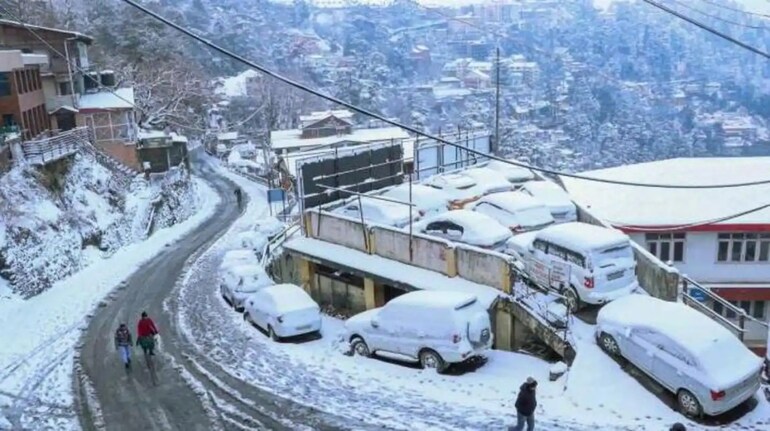

Once a picture-postcard vision of snow-laden pines and crisp, white rooftops, Shimla is now experiencing a winter of discontent. The hill station, perched at 2,205 metres in the north-west Himalayas, is in the grip of an unprecedented dry spell, with its iconic snowfall conspicuously absent.
This shift from a thick white blanket to barren, brown hillsides is more than a seasonal quirk; it signals a deeper environmental transformation that is unsettling residents, disappointing tourists and altering the very identity of the region.
What does the data show about this winter's dry spell?
The numbers paint a stark picture. According to meteorological data, Himachal Pradesh witnessed a 99 per cent rainfall deficit in December. Shimla, which typically records 21.4 mm of precipitation in December, has had none – no rain and no snow.
The State’s Meteorological Department data reveals a troubling trend: December 2024 had five rainy days, 2023 had three and 2022 had just one.
Temperatures tell a similar story of a warming winter. This December, maximum temperatures in Shimla have fluctuated between 15 degrees Celsius and 21 degrees Celsius, a significant increase from the historical average of 8–10 degrees Celsius.
Minimum temperatures have ranged from 5 degrees Celsius to 12 degrees Celsius, against a usual range of 3–8 degrees Celsius. On December 29, as noted in an IMD bulletin, Shimla’s minimum temperature was 8.6 degrees Celsius, a departure of +4.6 degrees Celsius above normal.
Why are the crucial 'snow-makers' failing?
The primary culprits for snowfall in the western Himalayas are weather systems known as western disturbances (WDs). These moisture-laden winds from the Mediterranean are essential for winter precipitation. This season, however, they have been conspicuously weak or absent.
Reporting by Down To Earth links North India’s warm, dry pattern to these feeble western disturbances and an unusual shift in the subtropical westerly jet stream, which can steer systems away from the region.
The IMD’s monthly report for November 2025, stated the state received only 1.0 mm of rainfall that month — its ninth-lowest November tally since 1901. This created a background of extreme dryness, making the region entirely dependent on strong, timely WDs for snowfall.
As IMD bulletins have repeatedly indicated, most incoming disturbances have only brought isolated chances of rain or snow, often missing Shimla entirely.
How do warmer temperatures prevent snow from settling?
Even when moisture arrives, rising temperatures are changing the game. For snow to fall and settle in a mid-altitude town like Shimla, a specific temperature window is required.
The current above-normal temperatures mean that any precipitation is more likely to fall as rain in the town itself. The snowline has retreated to higher altitudes like Kufri or Narkanda and any fleeting flurries at Shimla’s elevation melt almost immediately.
The IMD’s extended-range outlook for late December flagged maximum temperatures as “above normal” across the mid and high hills. This combination of insufficient moisture and elevated temperatures creates a perfect storm for a snowless winter.
Is this just a one-off or part of a larger trend?
Residents feel this is a decisive break from the past. Vijay Thakur, a lifelong Shimla local, lamented the change as cited by The Tribune, stating that December, once the coldest month, now feels like summer. He noted that the excitement of preparing for a snowy winter has faded and heavy woollens often remain unused. “It looks like our future generations might not be able to witness snowfall,” he said.
His observations align with broader climatic shifts. Scientific reviews of the western Indian Himalayas consistently indicate long-term warming over the last century. While this doesn’t cause a single snowless season in isolation, it raises the baseline temperature, increasing the odds that marginal weather events result in rain instead of snow.
Furthermore, as noted in several media reports, factors like rampant construction and deforestation are also understood to have contributed to altering local weather cycles over past decades, making heavy snowfall a rarity compared to the past.
What is the immediate outlook and wider impact?
The immediate forecast offers little respite. While a fresh western disturbance was expected around December 30 to January 2, bringing isolated rain or snow to higher reaches, prospects for significant snowfall in Shimla city remained minimal.
The tourism sector, which banks on the winter peak season, is feeling the strain. Key destinations like Shimla and Manali remain barren, with some resorts forced to stage artificial snow events and carnivals to attract visitors.
The regional impact is severe. Himachal Pradesh has faced a near-total rainfall deficit. While higher altitudes like Solang Valley or Gulmarg in Kashmir may see light snow, the mid-hills face drought-like conditions. Early predictions of snow in early December failed to materialise, deepening anxiety.
Shimla’s missing snowfall is a multi-layered crisis and image of the ‘Queen of the hills’ as a guaranteed winter wonderland is fading. It represents more than just a disappointing season for tourists. It is an environmental shift that is reshaping local culture, ecology and economy. The crunch of snow underfoot may become merely a memory for its residents.
Discover the latest Business News, Sensex, and Nifty updates. Obtain Personal Finance insights, tax queries, and expert opinions on Moneycontrol or download the Moneycontrol App to stay updated!
Find the best of Al News in one place, specially curated for you every weekend.
Stay on top of the latest tech trends and biggest startup news.





