







Canadian Prime Minister Mark Carney has urged citizens to rally behind domestic businesses, reviving a “Buy Canadian” push as Ottawa braces for possible economic retaliation from the United States following fresh trade threats from President Donald Trump.
In a video message posted on X, Carney framed the appeal as a response to mounting external pressure, particularly from Washington, and encouraged Canadians to focus on strengthening the domestic economy.
“With our economy under threat from abroad. Canadians have made a choice: to focus on what we can control,” Carney said.
He added, “We can’t control what other nations do. We can be our own best customers. We’ll buy Canadian. We’ll build Canadian. Together we will build stronger.”
Carney’s comments come days after Trump warned Canada against deepening economic ties with China, threatening to impose sweeping 100 per cent tariffs on Canadian goods if Ottawa pursued new trade agreements with Beijing. Trump has accused Canada of potentially acting as a gateway for Chinese exports into the US market.
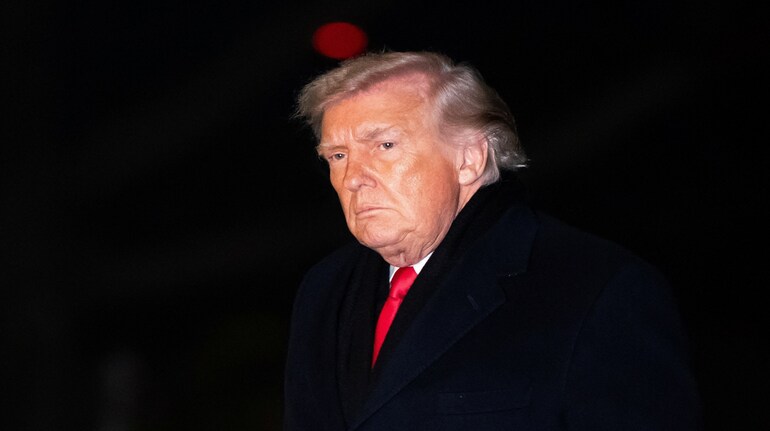
In a post on Truth Social, Trump referred to the Canadian leader as “Governor” and wrote, “If Governor Carney thinks he is going to make Canada a ‘Drop Off Port’ for China to send goods and products into the United States, he is sorely mistaken.”
Escalating his rhetoric, Trump added, “China will eat Canada alive, completely devour it, including the destruction of their businesses, social fabric, and general way of life. If Canada makes a deal with China, it will immediately be hit with a 100% Tariff against all Canadian goods and products coming into the USA. Thank you for your attention to this matter!”
Carney, without naming Trump directly, positioned his “Buy Canadian” appeal as both an economic and political strategy. He said the federal government would align its procurement and industrial policies with that message, prioritising domestic suppliers and workers.
He pointed to the government’s ‘Buy Canadian’ policy introduced in December, which aims to boost local manufacturing and reduce reliance on foreign supply chains. The policy prioritises Canadian firms in public procurement and supports domestic production across key sectors.
Carney described the initiative as part of a broader national strategy to “build big,” citing housing development, large infrastructure projects and defence procurement as central pillars. He stressed that future investments would increasingly rely on Canadian steel, aluminium and lumber, as well as homegrown technology and labour.
“We can’t control what other countries do,” Carney said, adding that Canada could instead choose to be “its own best customer.”
The renewed push comes amid heightened diplomatic friction between Ottawa and Washington. Trump has repeatedly mocked Canadian leaders by calling them “governors” and has suggested — sometimes jokingly, sometimes pointedly — that Canada could become the 51st US state. While Canadian officials have publicly dismissed those remarks, they have taken on greater significance as Trump adopts a more confrontational foreign policy stance.
Trump has also criticised Canada for opposing his proposed “Golden Dome” missile defence system linked to Greenland, accusing Ottawa of aligning with Beijing rather than Washington.
“Canada is against The Golden Dome being built over Greenland, even though The Golden Dome would protect Canada,” Trump said, adding, “Instead, they voted in favor of doing business with China, who will ‘eat them up’ within the first year!”
The latest dispute follows Carney’s recent visit to Beijing, which fuelled speculation about a possible reset in Canada-China relations. China remains Canada’s second-largest trading partner after the United States.
The trip reportedly resulted in an understanding to ease tariffs on certain Canadian agricultural exports, introduce quotas on Chinese electric vehicle imports, and explore the possibility of increased Chinese investment in Canada.
Speaking earlier about the engagement, Carney appeared to allude to trade frictions with Washington, describing Canada’s dealings with China as more “predictable” and characterising discussions with Beijing as “realistic and respectful.”
As tensions rise, Carney’s message signals a deliberate shift toward economic self-reliance, positioning domestic consumption and production as a buffer against global trade uncertainty and growing pressure from Canada’s closest ally.
Discover the latest Business News, Sensex, and Nifty updates. Obtain Personal Finance insights, tax queries, and expert opinions on Moneycontrol or download the Moneycontrol App to stay updated!
Find the best of Al News in one place, specially curated for you every weekend.
Stay on top of the latest tech trends and biggest startup news.





