






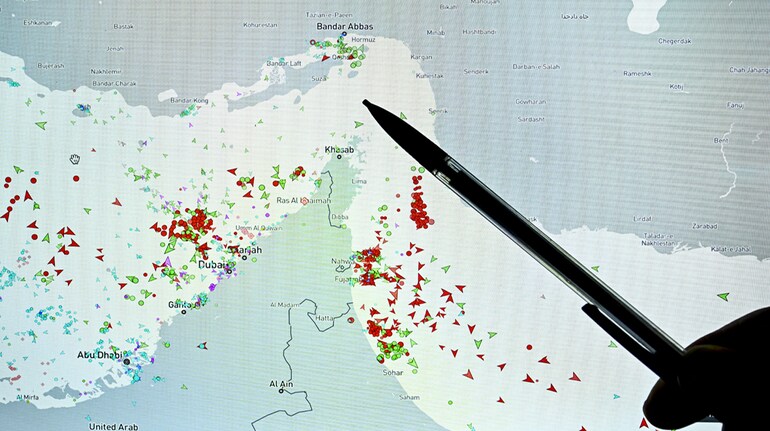
The United States is preparing to deploy naval escorts for commercial vessels in the Strait of Hormuz once conditions allow, as shipping through the crucial waterway remains severely disrupted by the ongoing US–Israel war with Iran.
US Energy Secretary Chris Wright said the US Navy was ready to step in to ensure the safe movement of energy supplies through the strategic corridor.
“As soon as it's reasonable to do it, we'll escort ships through the straits and get the energy moving again,” Wright told US broadcaster Fox News during an appearance on the programme Fox and Friends.
Earlier in the week, US President Donald Trump also indicated that Washington was planning to secure maritime traffic in the region. On Tuesday, Trump said the US Navy would “begin escorting tankers through the Strait of Hormuz, as soon as possible” to prevent disruptions to global oil flows.
The Strait of Hormuz is one of the world’s most important energy chokepoints, with roughly one-fifth of global crude oil and liquefied natural gas shipments passing through the narrow passage linking the Persian Gulf to the Arabian Sea.
However, the conflict triggered by US–Israeli strikes on Iran a week ago has sharply disrupted maritime activity in the region. Tehran’s retaliatory attacks across the Gulf have heightened security risks, causing commercial shipping to largely halt operations through the strait.
Energy markets have reacted nervously. Oil prices have surged to their highest levels in nearly two years amid fears that a prolonged conflict could disrupt supplies and fuel a fresh wave of global inflation.
Financial institutions monitoring shipping movements say traffic through the waterway has nearly stopped.
“On Thursday, day six of the conflict, commercial traffic through the Strait of Hormuz remained virtually nonexistent, with activity largely limited to Iranian vessels,” JPMorgan said in a note released on Friday.
Despite the turmoil, the head of the International Energy Agency sought to calm concerns about a global supply shock.
IEA chief Fatih Birol said there was “plenty of oil in the market,” suggesting that current supplies could cushion any short-term disruptions caused by the conflict.
Wright also addressed a US decision to allow India a temporary sanctions exemption to buy Russian oil as being "pragmatic."
The US energy secretary said there was "no change in policy against Russia," whose energy industry continues to face strict US sanctions over Moscow's war in Ukraine.
High gasoline prices are a key pain point for US political leaders, potentially fueling inflation that already has many households feeling the pinch.
Average US gasoline prices have risen about 11 percent in the last week, according to the AAA gas prices gauge on Friday.
Wright said he hoped fuel prices at US pumps would come down in a matter of "weeks, not months."
Discover the latest Business News, Sensex, and Nifty updates. Obtain Personal Finance insights, tax queries, and expert opinions on Moneycontrol or download the Moneycontrol App to stay updated!
Find the best of Al News in one place, specially curated for you every weekend.
Stay on top of the latest tech trends and biggest startup news.




