






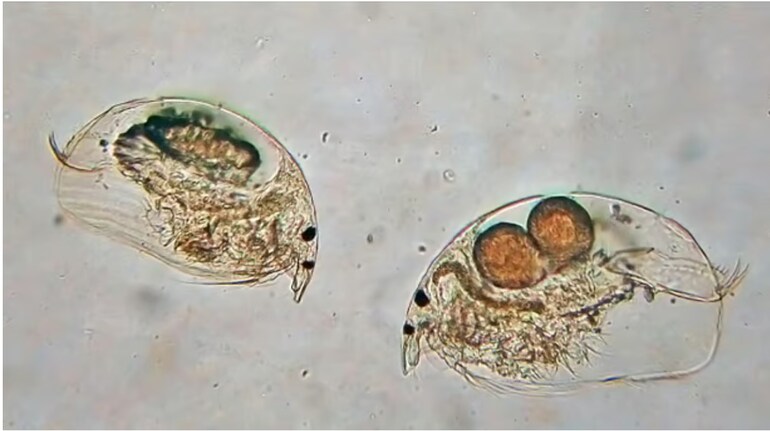

When we think about rivers and lakes, we tend to notice what’s big and obvious. Fish floating belly-up. Water turning bright green. A lake shrinking year after year. What rarely crosses our minds is that the real work of keeping freshwater alive is often done by animals so small they drift unnoticed through the water. Zooplankton fall squarely into that category.
At heart, they’re grazers. Day in, day out, zooplankton feed on algae, bacteria and tiny organic particles. That constant nibbling matters more than it sounds. Without it, algae can grow out of control, clouding water, sucking out oxygen and pushing lakes and rivers toward collapse. Where zooplankton are doing well, water bodies are often more balanced, even when nutrients from sewage or farm runoff are high.
What really sets them apart, though, is how they deal with stress. Freshwater systems don’t live calm, predictable lives. In many places, especially in the tropics, water comes and goes. Streams dry up. Ponds shrink to muddy puddles. Then the rains arrive and everything changes overnight. Zooplankton have adapted to this boom-and-bust cycle in clever ways. Many species produce dormant eggs that sink into the sediment and wait out the bad times. They can survive heat, dryness and lack of oxygen for months. When water returns, they hatch fast, repopulating the system before larger creatures have even arrived.
That speed is crucial. Zooplankton are a main food source for fish larvae and aquatic insects. If they come back quickly, young fish have something to eat and food webs rebuild. If they don’t, recovery stalls and ecosystems can slide into poorer, less stable states.
Scientists also keep a close eye on zooplankton because they’re honest reporters. They respond quickly to changes in water quality, temperature and pollution. A sudden drop in diversity or the takeover by a few tough species is often an early sign that something is wrong, even when the water still looks fine to us.
In a way, zooplankton are the quiet caretakers of freshwater. They don’t attract attention. They don’t inspire awe. But they help keep algae in check, restart life after dry spells, feed the next generation of fish and warn us when rivers and lakes are under strain. If freshwater ecosystems are holding together at all, these tiny animals are a big part of the reason why.
Discover the latest Business News, Sensex, and Nifty updates. Obtain Personal Finance insights, tax queries, and expert opinions on Moneycontrol or download the Moneycontrol App to stay updated!
Find the best of Al News in one place, specially curated for you every weekend.
Stay on top of the latest tech trends and biggest startup news.





