






About 1,000 tonnes of uranium concentrate, known as yellowcake, were moved from the northern mining town of Arlit to the capital, Niamey, sometime after November. Yellowcake is an intermediate product used to make fuel for nuclear power plants. It is not weapons-grade material, but it can be further processed.
The stash is estimated to be worth roughly $240 million. Before the 2023 coup, Niger supplied up to a quarter of the natural uranium used in European reactors. After the military takeover, the junta nationalised assets linked to France’s state-backed nuclear group Orano and took control of material associated with its operations, the Financial Times reported.
Why did the junta move it?
Officials say storage issues at Arlit and logistics were part of the reason. But the move also carried symbolism. For the junta, shifting the uranium south was presented as a break with decades of French dominance in Niger’s mining sector.
Colonel Ousmane Abarchi, the mining minister, has been clear about the political tone. “We can sell to whoever we want,” he has said, signalling that Niger no longer sees France as its primary partner.
Why hasn’t it been sold?
On paper, selling should be straightforward. In reality, it is legally and politically tangled.
Orano says an arbitration panel ordered Niger last September not to sell, transfer or facilitate the transfer of the uranium. The French company has warned it is ready to pursue legal action against any buyer. That alone makes most conventional purchasers cautious.
As one regional analyst put it, any mainstream buyer risks inheriting a legal dispute the moment the deal is signed. That narrows the field dramatically.
Who might buy it?
Niger has publicly acknowledged talks with Russia, China, the US and a UAE-based company called Axia Power. Russia is widely seen as the most plausible buyer, given its growing military footprint in the Sahel.
But there are trade-offs. Aligning too closely with Moscow could deepen Niger’s diplomatic isolation and complicate relations with Western governments. People close to the leadership suggest the junta is aware of that risk.
An American-backed deal would be cleaner politically, but so far nothing concrete has emerged.
Why is security suddenly a bigger worry?
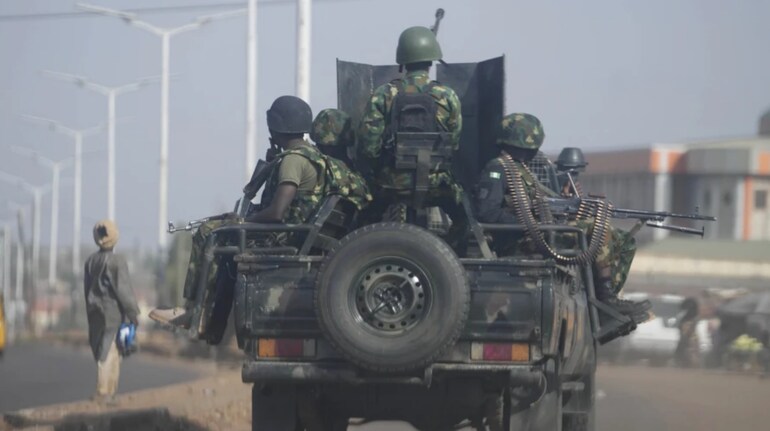
The uranium is currently stored at an airbase in Niamey that was attacked in January by Isis militants. The assault targeted military assets, not the uranium specifically, but it exposed how vulnerable the capital has become.
Attacks by Isis and JNIM have intensified across western Niger and are creeping closer to urban centres. Even if the militants did not aim for the uranium this time, the publicity value of targeting such material is obvious.
Security experts say the storage conditions are unlikely to be ideal in a country facing persistent insurgency and strained resources.
Could Niger move it out?
Export routes are limited. The border with Benin has been largely closed since 2023. That leaves a difficult overland corridor through Burkina Faso and Togo to reach the port of Lomé.
Transporting high-value material through areas affected by insurgency would require heavy security, possibly involving Russian escorts. Analysts describe the idea as risky and unpredictable.
Why this matters beyond Niger
The episode reflects a broader shift in West Africa. Military juntas in Niger, Mali and Burkina Faso have distanced themselves from France and sought new security partnerships, often with Russia.
Uranium is central to Niger’s economy. Selling this stockpile would bring urgently needed cash to a government facing economic strain. Failing to sell it leaves a politically charged asset sitting in a volatile environment.
For now, the yellowcake remains unsold, legally contested and stored in a capital that no longer feels entirely secure. In a region already on edge, it is both a bargaining chip and a liability.
Discover the latest Business News, Sensex, and Nifty updates. Obtain Personal Finance insights, tax queries, and expert opinions on Moneycontrol or download the Moneycontrol App to stay updated!
Find the best of Al News in one place, specially curated for you every weekend.
Stay on top of the latest tech trends and biggest startup news.




